Home/Hitem3D FAQ/How do 3D modelers design environments for virtual reality experiences?

How do 3D modelers design environments for virtual reality experiences?

3D modelers design VR environments via a structured process balancing immersion, functionality, and hardware optimization, with steps from defining needs to testing.

How do 3D modelers design environments for virtual reality experiences?

3D modelers design VR environments by balancing immersion, functionality, and hardware optimization through a structured process.

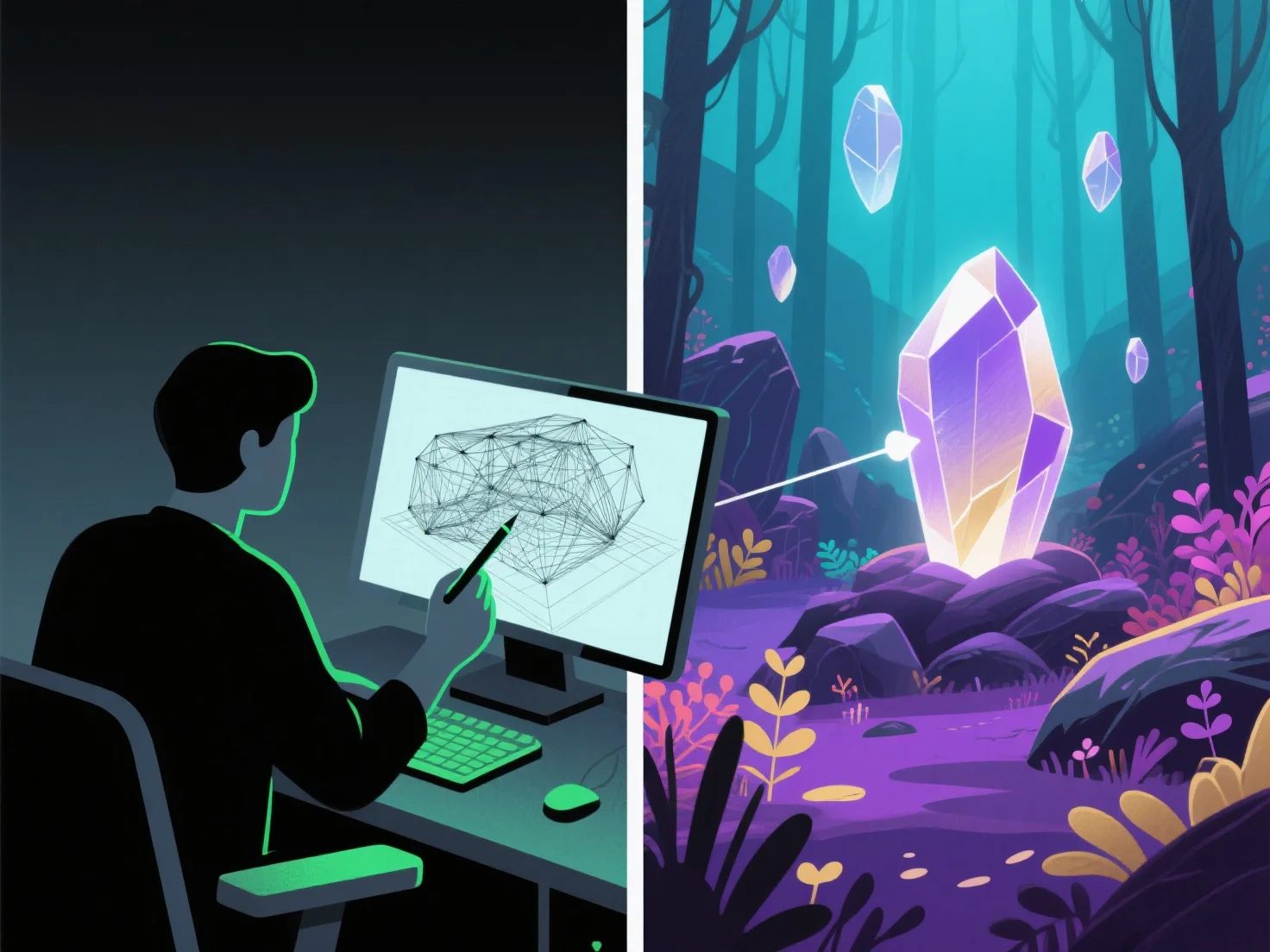
They start by defining user interaction needs and spatial scale to ensure usability, then create initial sketches or storyboards to outline layout and key elements. Next, 3D assets (terrain, objects, textures) are modeled using software like Blender or Maya, with a focus on low-poly counts and optimized sizes to prevent VR hardware lag. Lighting, sound design, and physics simulations are added to boost realism, while iterative testing addresses user comfort—such as smooth camera transitions to reduce motion sickness.

For beginners, starting with simple scenes in Unity or Unreal Engine helps build foundational skills in user-centric optimization.

PreviousNext
Product
Web Studio
API Platform
Features
Image to 3D
Multi-view to 3D
Relief
Segmentation
Models
General Model
Portrait Model
Resource
Blog
FAQ
API Docs
About us
Pricing