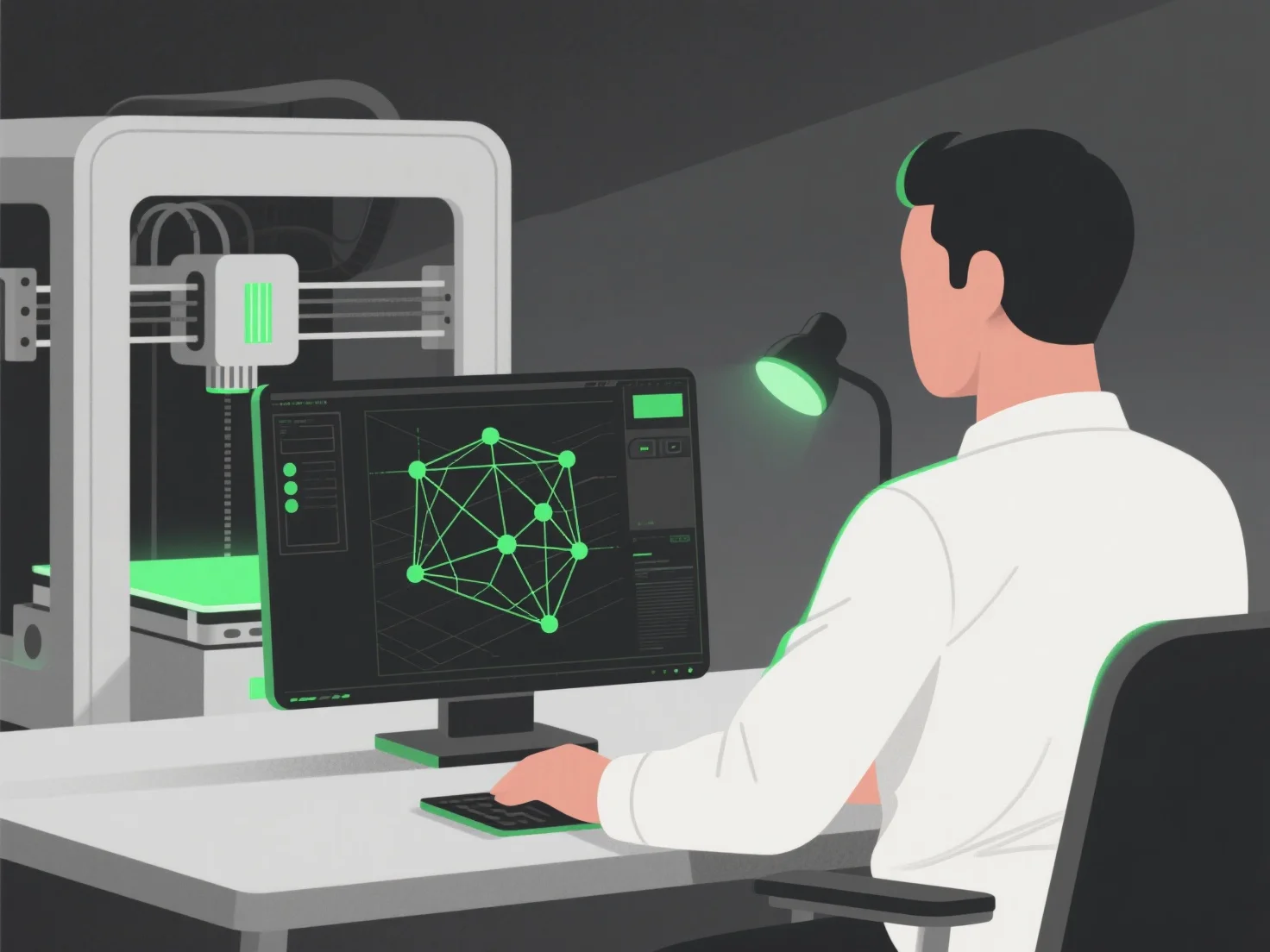
The process of creating a 3D model for 3D printing involves three core steps: designing the digital model, optimizing for printability, and preparing for layer-based fabrication.
First, design the 3D model using software like Blender, Tinkercad, or Fusion 360, where you shape the object’s structure and details.
Next, optimize the model for printability: check for issues such as overhangs (needing supports), thin walls (prone to breaking), or non-manifold geometry (causing slicing errors) to prevent printing failures.
Then, slice the model with slicing software (e.g., Cura, PrusaSlicer), which converts the 3D design into layer-by-layer G-code instructions that the 3D printer can execute.
For beginners, starting with simple tools and pre-made designs helps learn the process smoothly, ensuring the digital model translates accurately to a physical object.
