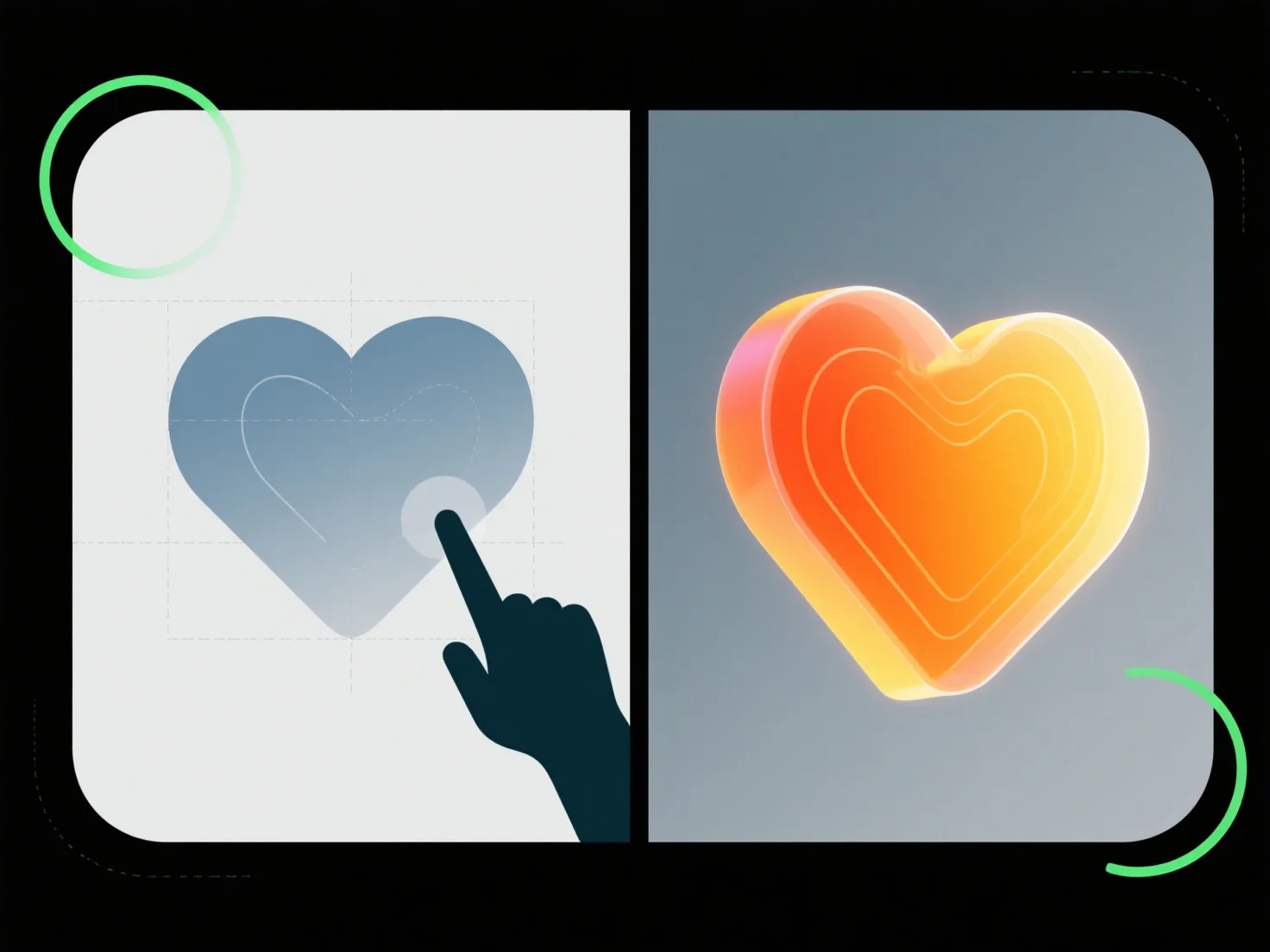
3D models enhance e-learning comprehension by embedding interactive 3D assets (e.g., anatomical structures, mechanical parts) that allow learners to rotate, zoom, or dissect virtual objects, making complex topics tangible and engaging. For learners, interactive 3D models improve spatial visualization, turning abstract concepts (e.g., molecular structures, historical artifacts) into hands-on experiences that deepen understanding. Educators can integrate 3D models by focusing on key course concepts, using user-friendly 3D tools, and gathering student feedback to refine interactivity, ensuring alignment with learning goals and optimal engagement.


How can 3D models be integrated into e-learning platforms to enhance comprehension?
3D models boost e-learning via interactive assets for better comprehension, spatial visualization, and educator-integrated engagement.