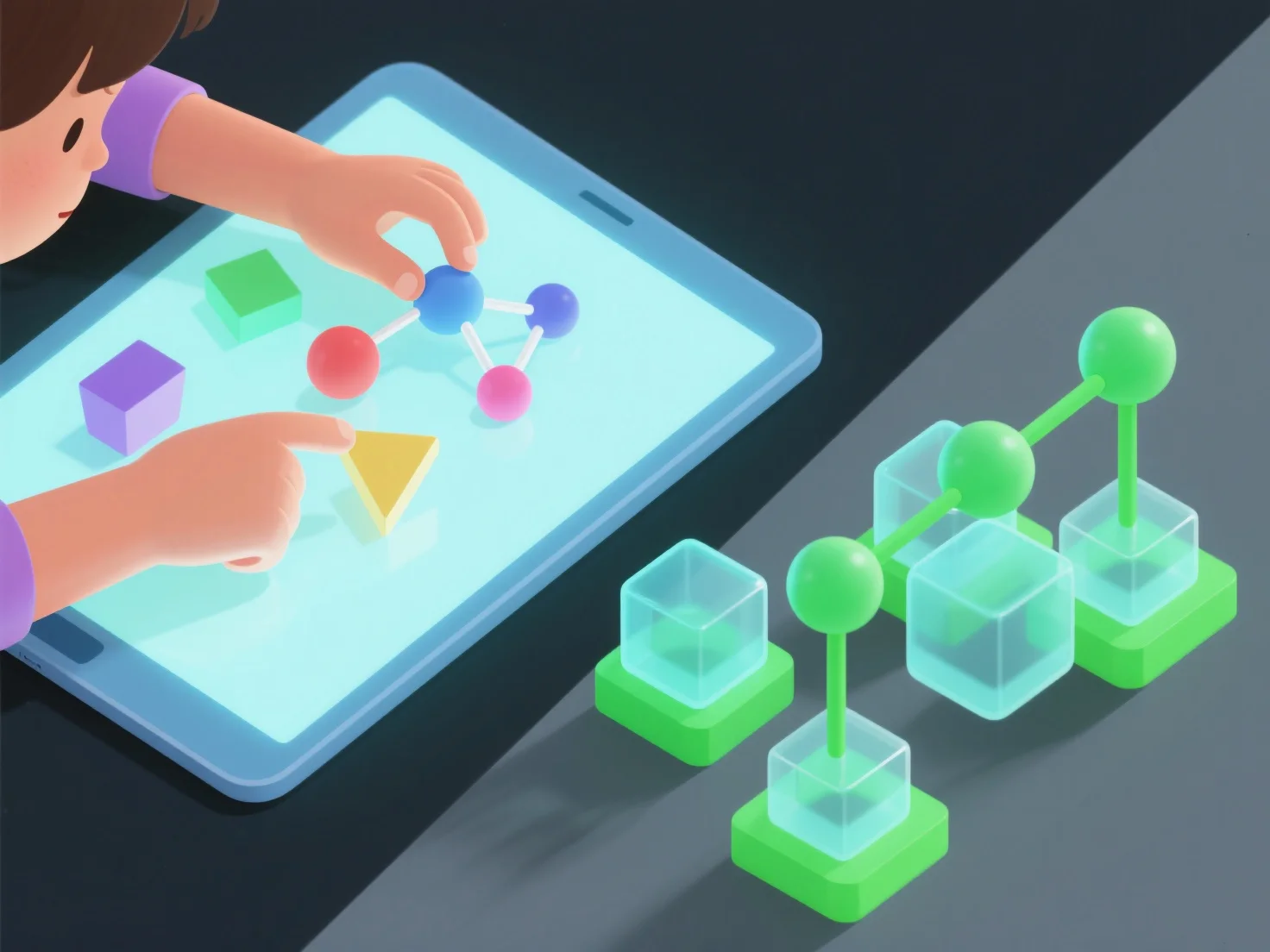
3D modeling tools improve STEM education for younger learners by transforming abstract concepts into interactive, visual models, enhancing engagement and comprehension. They make learning tangible: By enabling hands-on creation, these tools bridge theory and practice, turning subjects like geometry (3D shape properties) or engineering (simple machine design) into concrete experiences. They develop key skills: Applications such as visualizing molecular structures (science), prototyping (engineering), or exploring spatial math relationships build problem-solving and spatial reasoning abilities. They’re accessible for young learners: Intuitive tools (e.g., Tinkercad) allow kids to start with simple models, fostering early STEM interest and foundational skills. Overall, 3D modeling tools turn complex STEM ideas into relatable, interactive learning, making education more effective and enjoyable for younger students.


How can 3D modeling tools improve STEM education for younger learners?
3D modeling tools enhance young learners' STEM education via interactive, visual models, boosting engagement, comprehension, and skill development.