


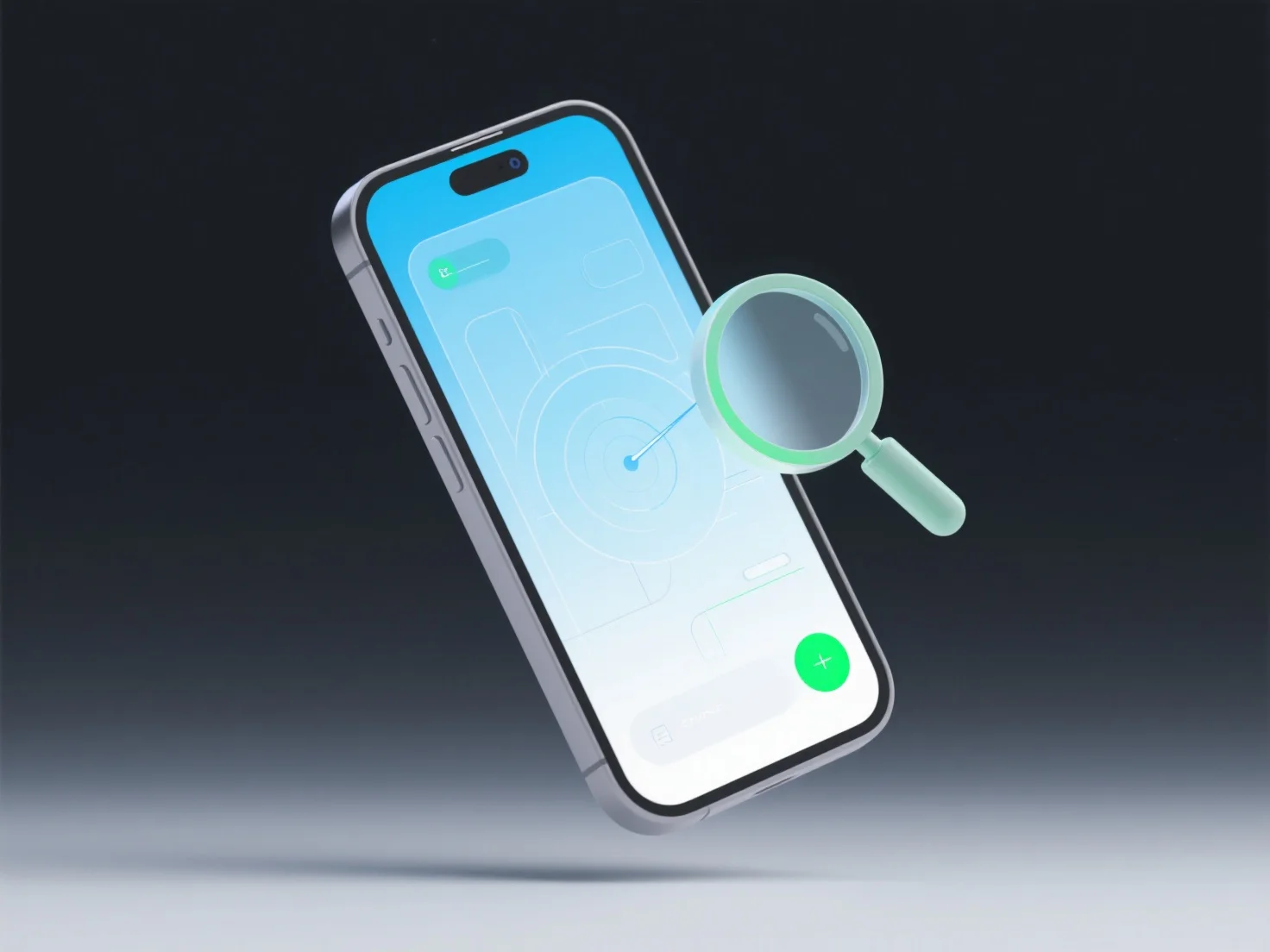
3D modeling supports usability evaluation in software and apps by creating interactive, realistic prototypes to simulate user interactions and test design elements, enabling early identification of usability issues.
It visualizes spatial relationships, such as button placement and navigation paths, helping pinpoint problems like confusing layouts or inefficient workflows before development.
It also simulates real-world usage scenarios—for example, mimicking how users hold and interact with mobile devices—to reveal ergonomic or accessibility issues that 2D prototypes might miss.
Integrating 3D modeling into early design stages allows teams to iterate on feedback efficiently, ensuring usability is prioritized from the start.