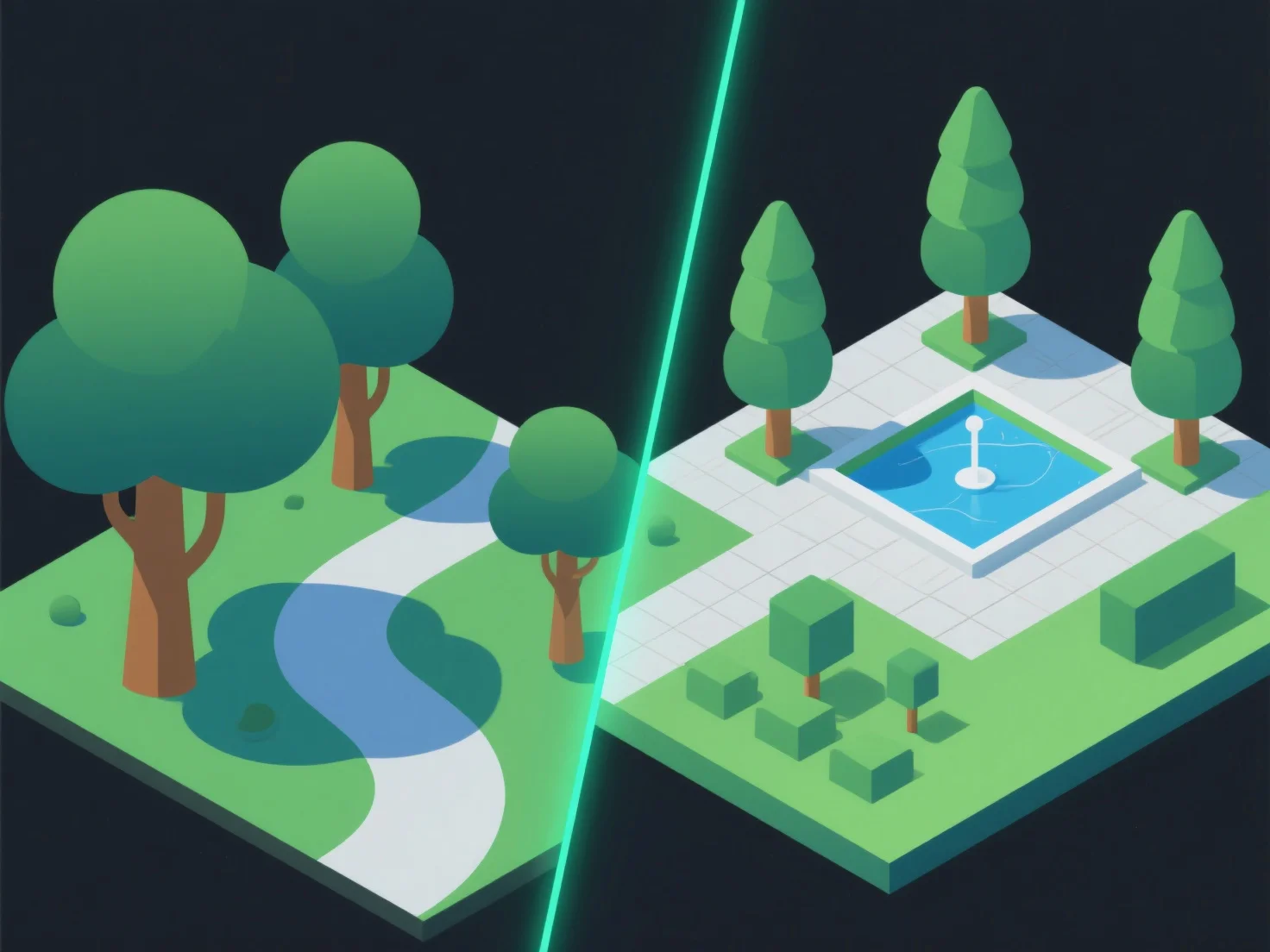
3D modeling helps compare landscape design proposals by creating realistic, detailed visualizations that make differences between plans tangible and evaluable. Key ways it aids include: 1. Visual clarity: Clearly displays plant placement, hardscape layout, and material effects, letting stakeholders see design elements at a glance. 2. Real-world simulation: Simulates sunlight exposure, shadow patterns, and pedestrian flow, assessing functionality and practicality. 3. Stakeholder alignment: Ensures clients, designers, and contractors visualize the same plan, reducing miscommunication. By integrating these, 3D modeling streamlines comparison, helping select the most suitable proposal efficiently.


How does 3D modeling help compare different landscape design proposals?
3D modeling aids comparing landscape designs via realistic visualizations, simulations, and stakeholder alignment for efficient selection.