Home/Hitem3D FAQ/How are reflections treated in real-time versus offline rendering?

How are reflections treated in real-time versus offline rendering?

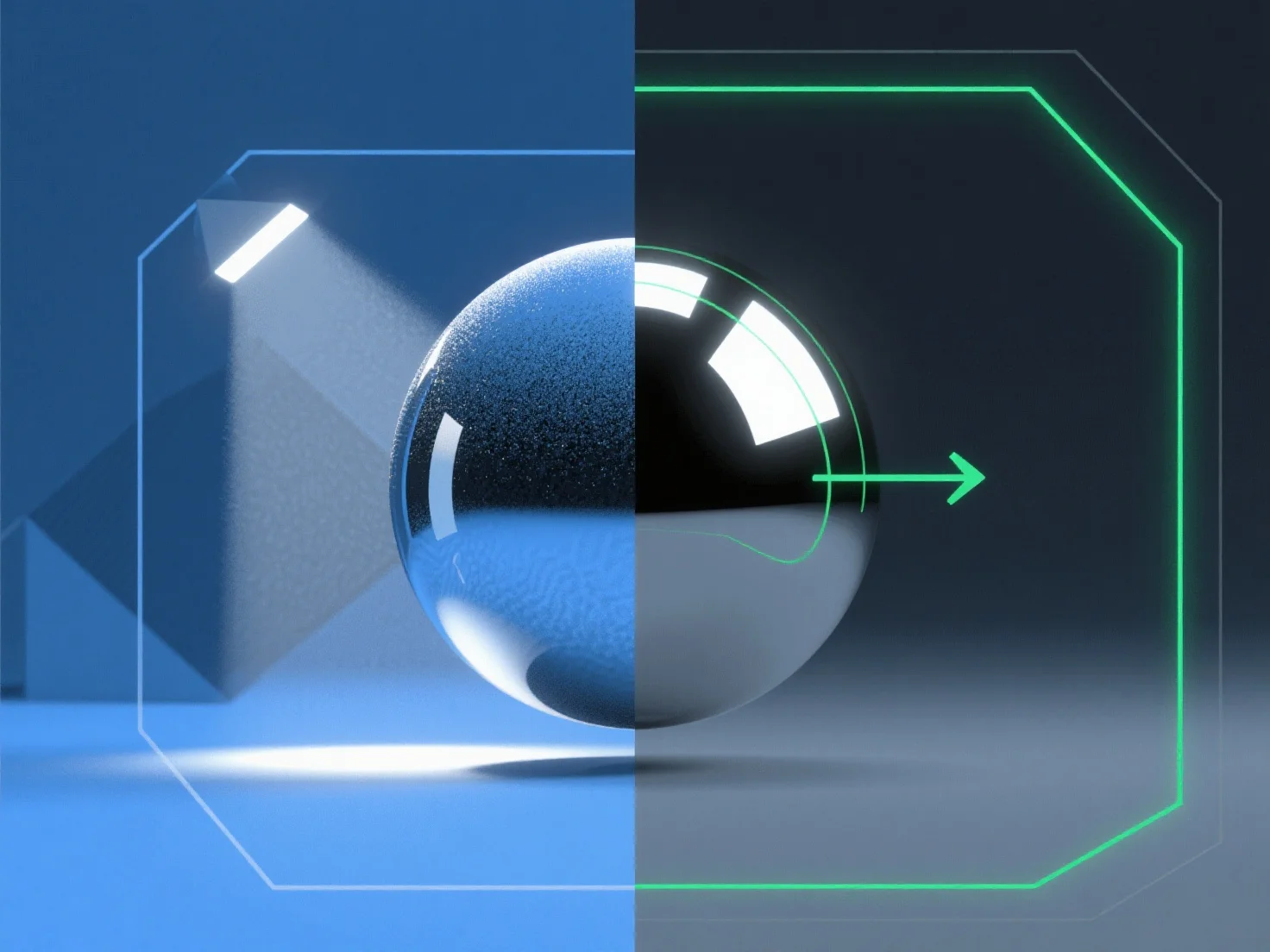
Real-time rendering uses quick reflection approximations for performance, while offline uses accurate methods for visual fidelity.

How are reflections treated in real-time versus offline rendering?

In real-time rendering, reflections are simplified with approximations to meet performance needs, while offline rendering enables accurate, detailed reflection calculations without strict time constraints.

Real-time methods often use screen space reflections (SSR) or cube maps to simulate reflections quickly, prioritizing frame rate over perfect accuracy. Offline rendering, however, typically employs ray tracing or global illumination, tracing light paths to compute physically accurate, realistic reflections.

For video games or interactive apps, real-time reflections ensure smooth user interaction; for high-end visualizations or film, offline rendering with detailed reflections enhances visual fidelity.

PreviousNext
Product
Web Studio
API Platform
Features
Image to 3D
Multi-view to 3D
Relief
Segmentation
Models
General Model
Portrait Model
Resource
Blog
FAQ
API Docs
About us
Pricing