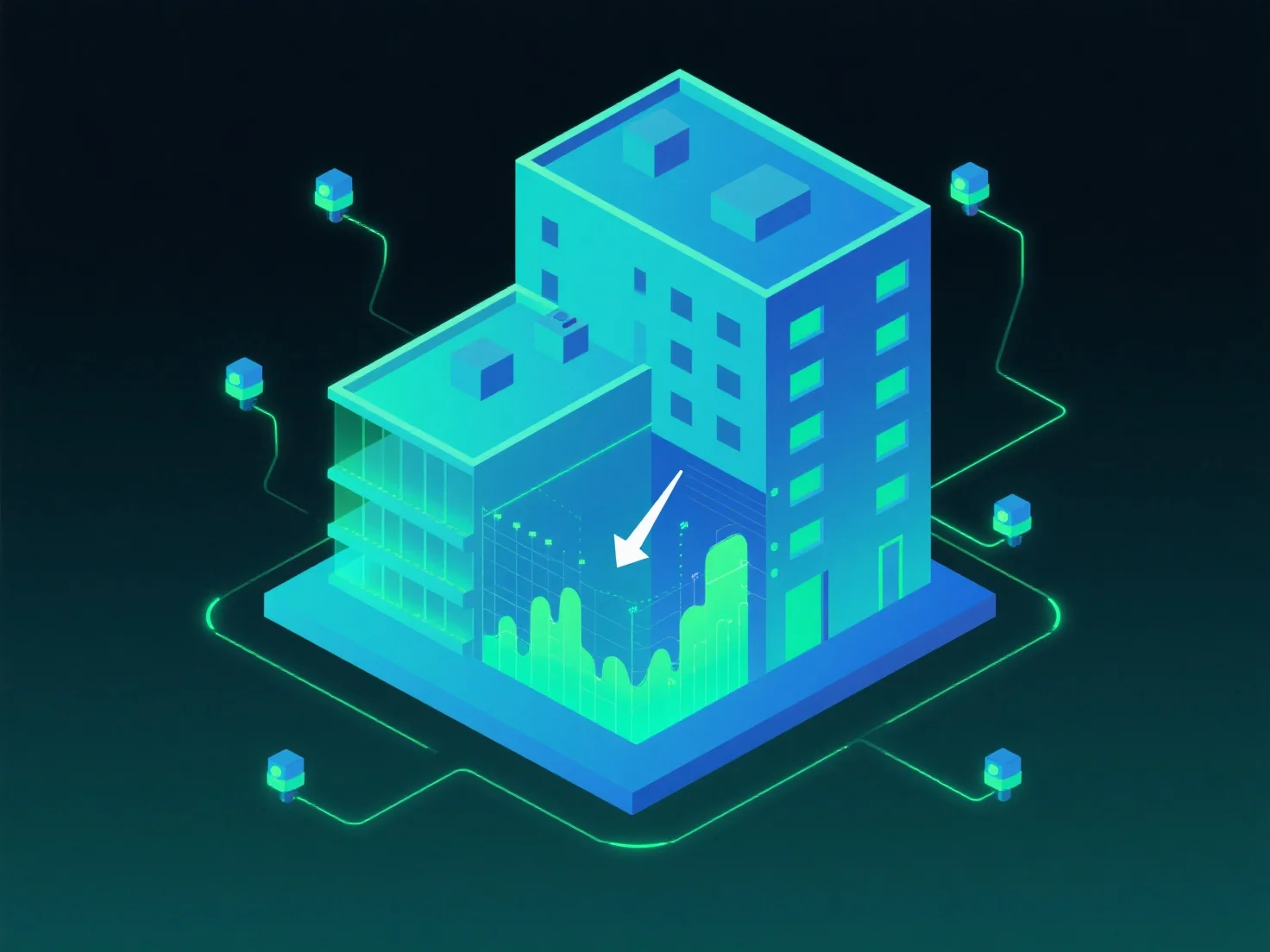
3D modeling is the core foundation of digital twins, as it accurately replicates the physical object’s geometry, structure, and spatial relationships, enabling digital twins to mirror real-world entities and support functions like simulation, monitoring, and analysis.
Key roles include: - **Visual & structural blueprint**: It creates the essential framework for digital twins to visually and structurally represent physical objects, ensuring realistic and detailed replication. - **Dynamic data integration**: 3D models often combine with real-time data (e.g., sensor inputs) to reflect dynamic changes, making digital twins responsive to real-world updates. - **Cross-industry applicability**: It underpins applications in manufacturing (equipment simulation), urban planning (city modeling), and healthcare (patient anatomy replicas), enhancing practical utility.
Ultimately, precise 3D modeling directly improves a digital twin’s reliability and effectiveness, making it a critical component in its development.
