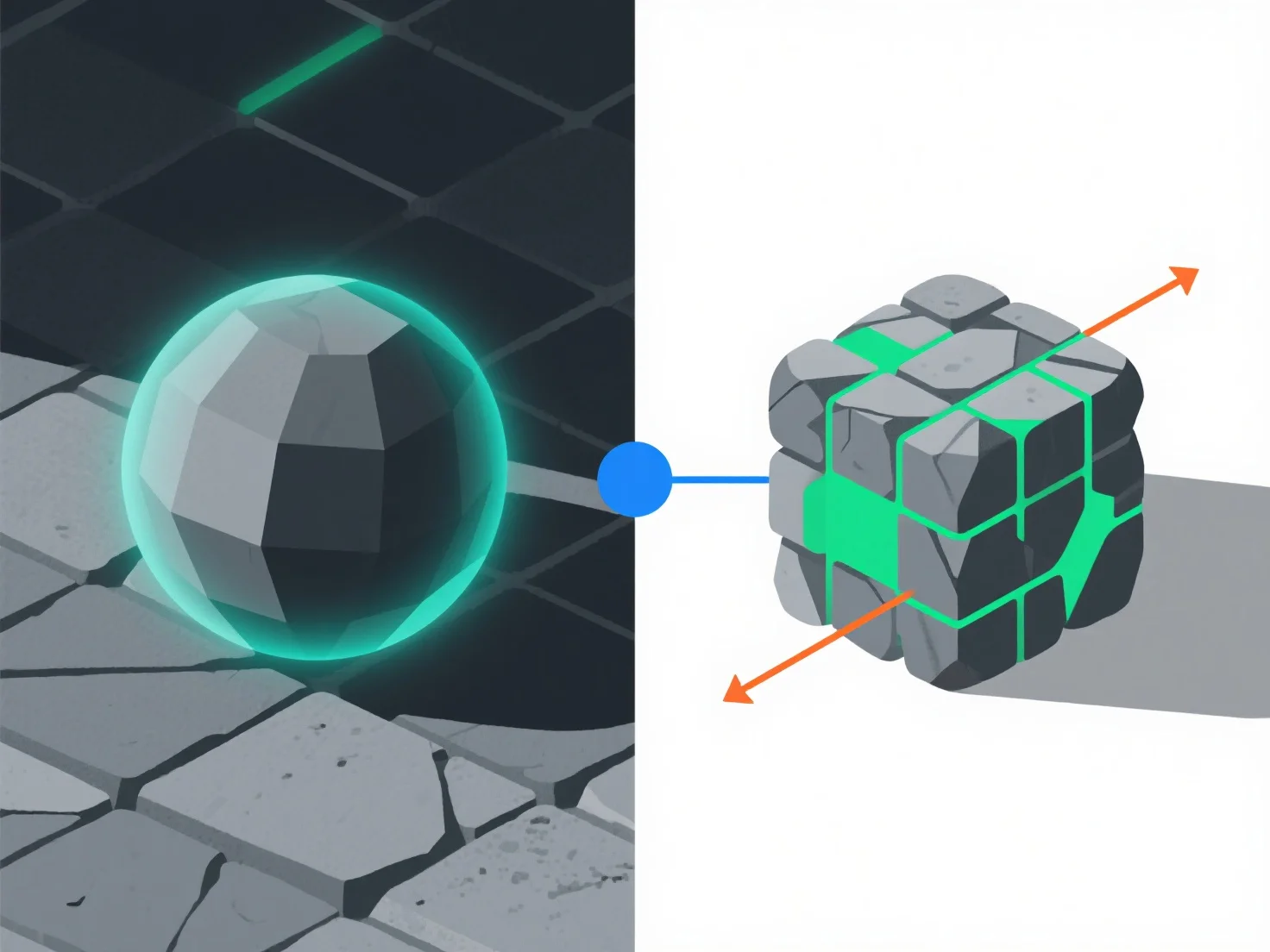
Texture mapping in 3D file formats is key for enhancing 3D models by adding surface details (e.g., color, patterns, roughness) without increasing polygon count, balancing visual realism and file efficiency.
It simulates complex surface properties, making models look lifelike—critical for gaming, animation, and design where realistic visuals are essential.
By avoiding extra polygons, it keeps file sizes small, improving loading speed and performance on devices, vital for real-time applications like video games or AR/VR.
Overall, texture mapping optimizes both visual quality and practical usability in 3D file formats, supporting diverse applications from entertainment to engineering.
