Home/Hitem3D FAQ/What is the process of designing a 3D model for medical device prototypes?

What is the process of designing a 3D model for medical device prototypes?

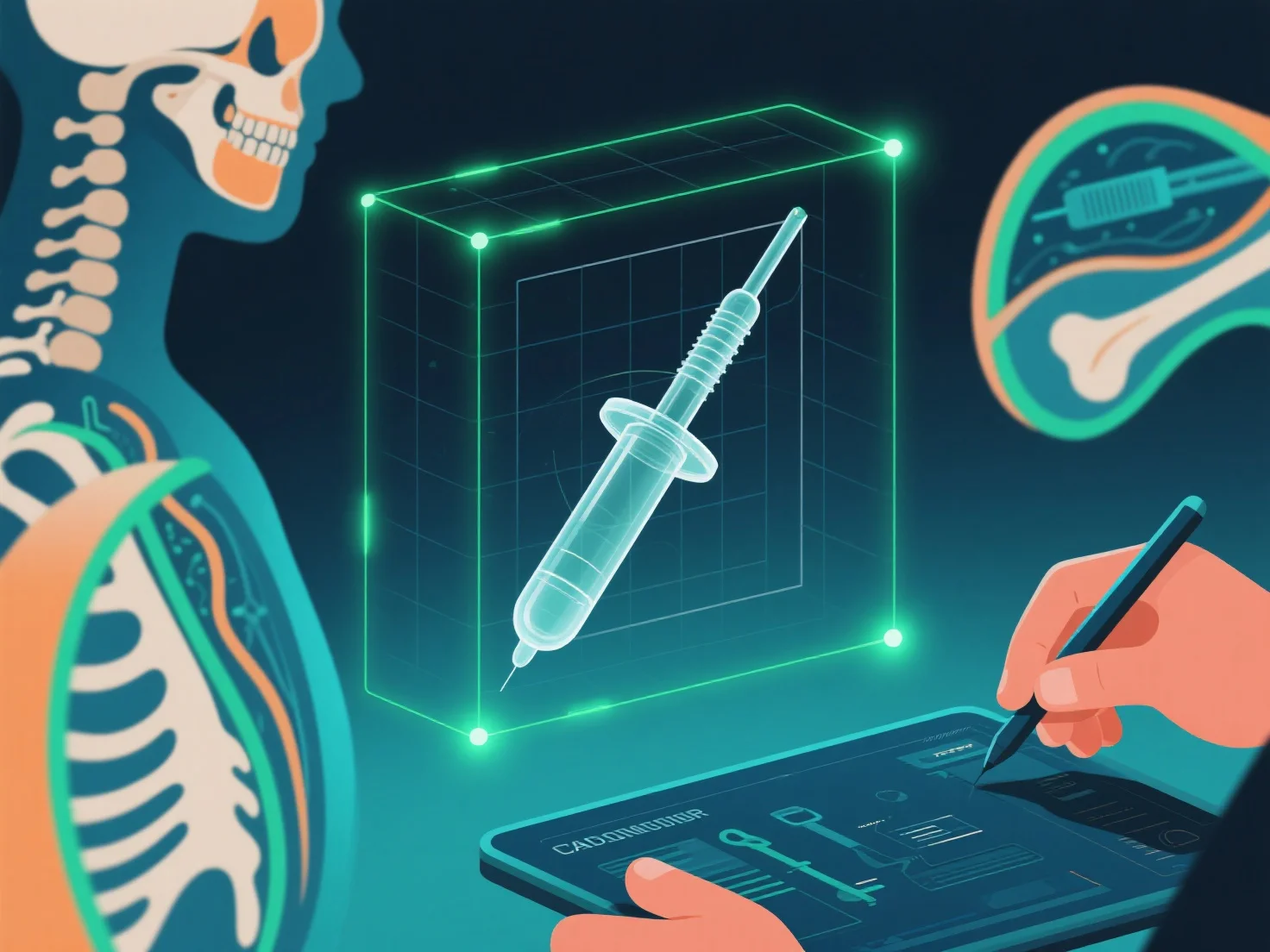
Designing 3D models for medical device prototypes involves requirement clarification, digital modeling, refinement, and validation.

What is the process of designing a 3D model for medical device prototypes?

The process of designing a 3D model for medical device prototypes typically involves four core stages: requirement clarification, digital modeling, design refinement, and validation.

- **Requirement Clarification**: Define clinical needs, user specifications (e.g., size, usability), and regulatory standards (e.g., FDA, ISO) to set clear design goals. - **Digital Modeling**: Use CAD software (e.g., SolidWorks, AutoCAD) to build a detailed 3D digital model, focusing on precise dimensions and critical functional features. - **Design Refinement**: Adjust the model for biocompatibility (material selection), structural integrity (e.g., load-bearing capacity), and manufacturability (ease of prototyping). - **Validation**: Test via simulations (e.g., finite element analysis) or rapid prototyping (3D printing) to verify functionality, fit, and compliance with medical regulations.

This structured approach ensures the 3D model meets clinical and regulatory requirements, streamlining prototype development.

PreviousNext
产品
Web 工作室
API 平台
功能
图片转 3D
多视图转 3D
浮雕
分割
模型
通用模型
人像模型
资源
博客
常见问题
API 文档
关于我们
定价