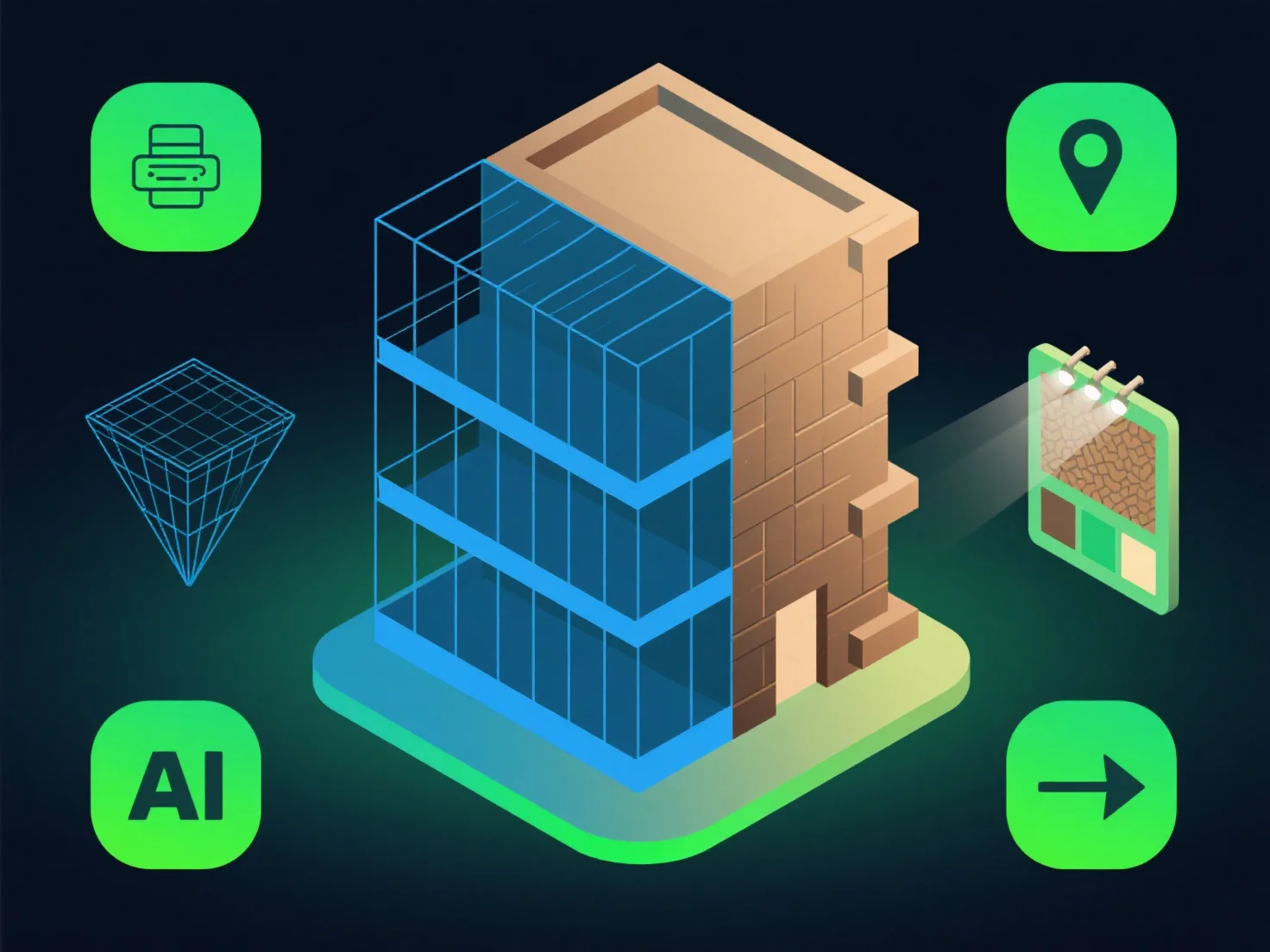
The process of creating 3D models for architectural visualization generally involves four core stages: design data preparation, 3D modeling, detailing, and rendering. First, gather and organize architectural data such as blueprints, CAD files, or sketches to clarify dimensions, layout, and design intent. Second, use software (e.g., SketchUp, 3ds Max) to convert 2D data into 3D geometry, constructing basic structures like walls, roofs, and floors. Third, enhance realism by adding textures, materials (wood, concrete), and lighting to simulate real-world environments and visual effects. Finally, render the model into high-quality images or animations via tools like V-Ray or Enscape to present the final architectural vision. This step-by-step workflow ensures accurate, visually engaging 3D models that effectively showcase the intended design.