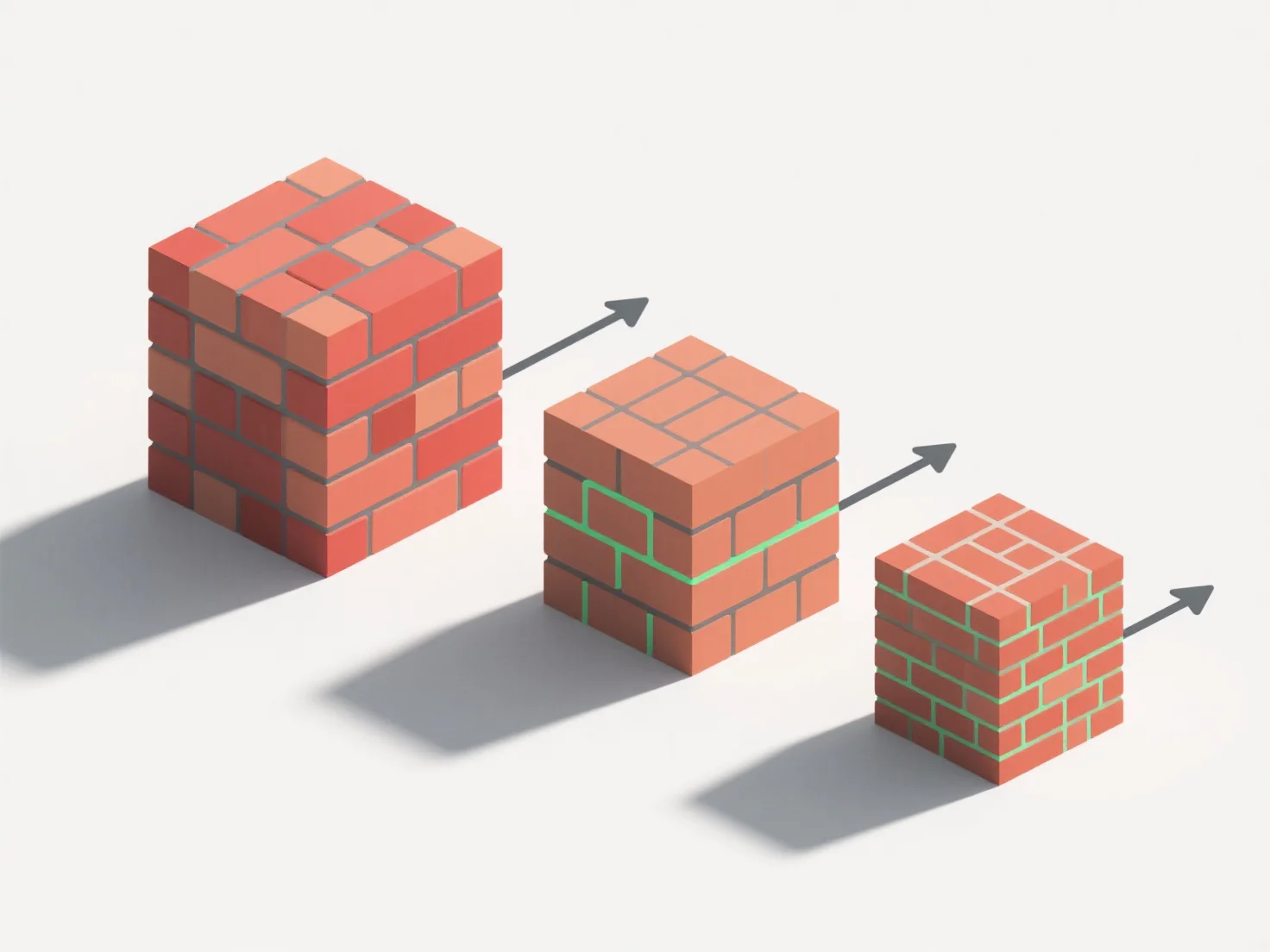
Tiling and scaling in texture mapping are crucial for optimizing texture efficiency and ensuring visual accuracy on 3D models. Tiling repeats textures to cover large surfaces without high-resolution files, saving memory, while scaling adjusts size to match object dimensions, preventing distortion or pixelation.
Key roles include: - Tiling: Efficiently covers vast areas (e.g., game terrain, architectural walls) with small textures, reducing file size and rendering load. - Scaling: Aligns textures to real-world proportions (e.g., brick size, wood grain) for natural, undistorted visuals, enhancing realism.
Together, they balance quality and performance, making texture mapping practical across gaming, design, and visualization industries.
