Home/Hitem3D FAQ/What does displacement mapping do in 3D texturing?

What does displacement mapping do in 3D texturing?

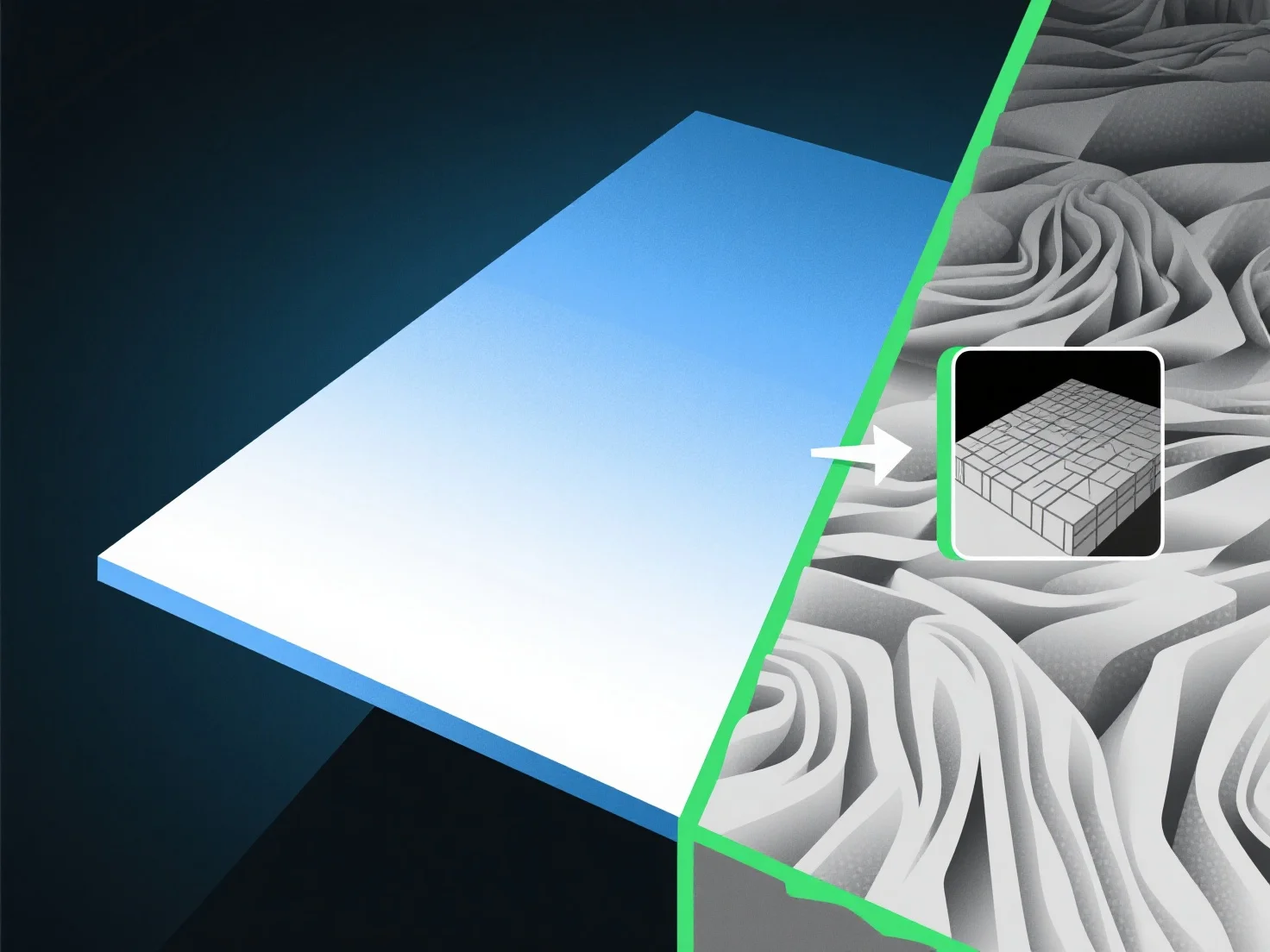
Displacement mapping creates physical depth on 3D models via vertex displacement from grayscale textures, needing higher polygon counts for realism.

What does displacement mapping do in 3D texturing?

Displacement mapping in 3D texturing modifies a model’s surface geometry by displacing vertices based on a grayscale texture, creating actual physical depth (e.g., bumps, indentations) by adjusting vertex positions—unlike normal mapping, which only simulates depth visually via lighting.

- **Core role**: It adds tangible surface relief, making textures physically accurate rather than just visually convincing. - **Typical applications**: Used for terrain, rocks, or organic materials in gaming, film, and product visualization to boost realism and immersion. - **Key consideration**: Requires higher polygon counts to ensure displaced surfaces appear smooth, unlike normal mapping which works on lower-poly models.

PreviousNext
产品
Web 工作室
API 平台
功能
图片转 3D
多视图转 3D
浮雕
分割
模型
通用模型
人像模型
资源
博客
常见问题
API 文档
关于我们
定价