首页/Hitem3D 常见问题/What are the risks of proprietary standards in 3D workflows?

What are the risks of proprietary standards in 3D workflows?

Proprietary 3D workflow standards risk vendor lock-in, poor interoperability, and asset loss, mitigated by backing up in open formats.

What are the risks of proprietary standards in 3D workflows?

The primary risks of proprietary standards in 3D workflows include vendor lock-in, limited interoperability, and potential asset inaccessibility, reducing flexibility and increasing long-term costs.

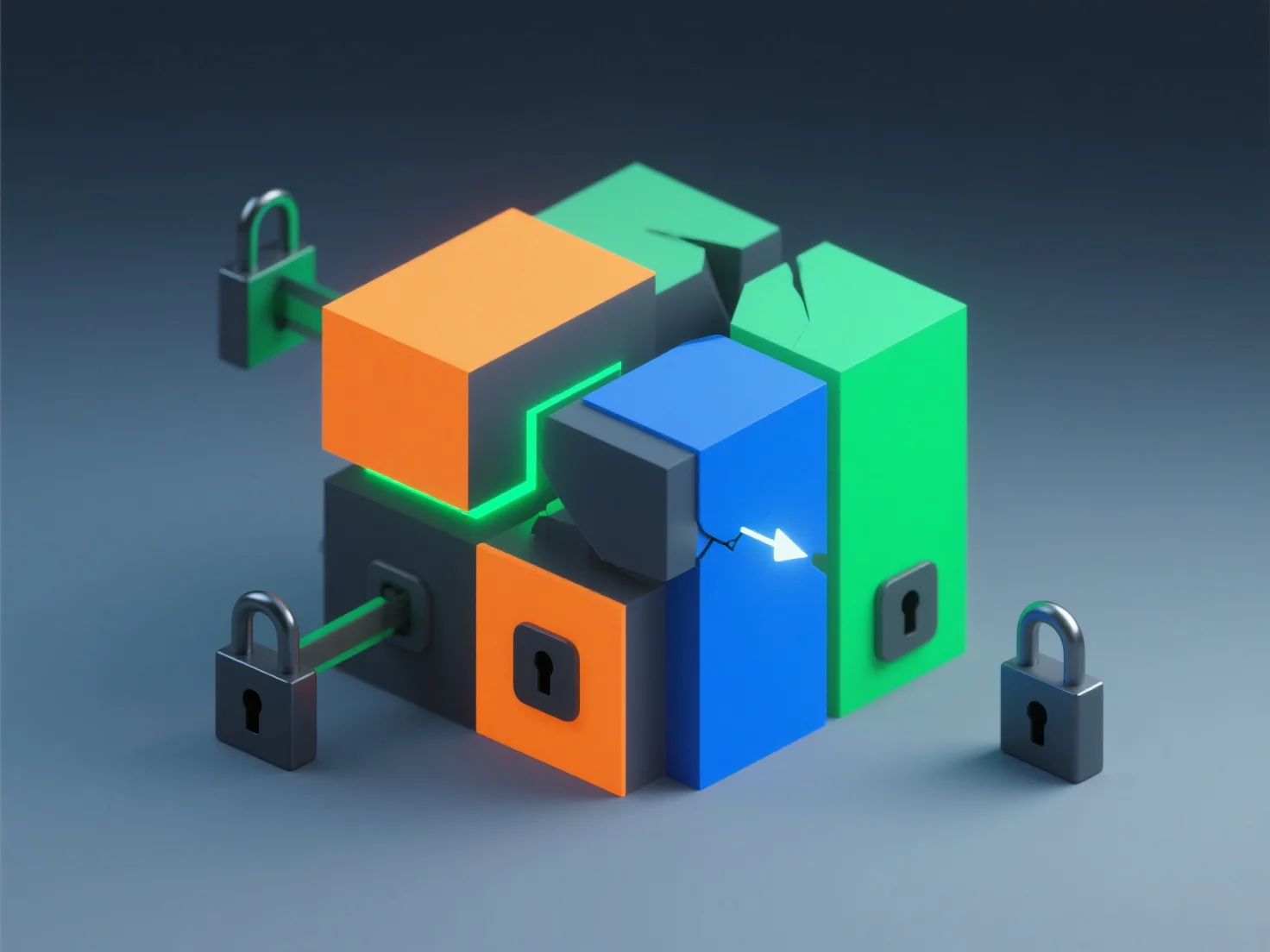
- **Vendor lock-in**: Relying on a single vendor’s proprietary standards restricts switching to other tools, creating dependence that can raise licensing or upgrade costs over time. - **Interoperability barriers**: Closed formats hinder data transfer between different 3D software, requiring extra conversion tools and often causing data loss (e.g., textures, animations) during transfers. - **Asset vulnerability**: If a vendor ends support for their proprietary format, existing assets may become unopenable, risking permanent loss of valuable 3D work.

To mitigate these risks, regularly back up assets in open, widely supported formats like OBJ or glTF.

上一页下一页
产品
Web 工作室
API 平台
功能
图片转 3D
多视图转 3D
浮雕
分割
模型
通用模型
人像模型
资源
博客
常见问题
API 文档
关于我们
定价