Home/Hitem3D FAQ/What are the differences between procedural textures and image-based textures in 3D design?

What are the differences between procedural textures and image-based textures in 3D design?

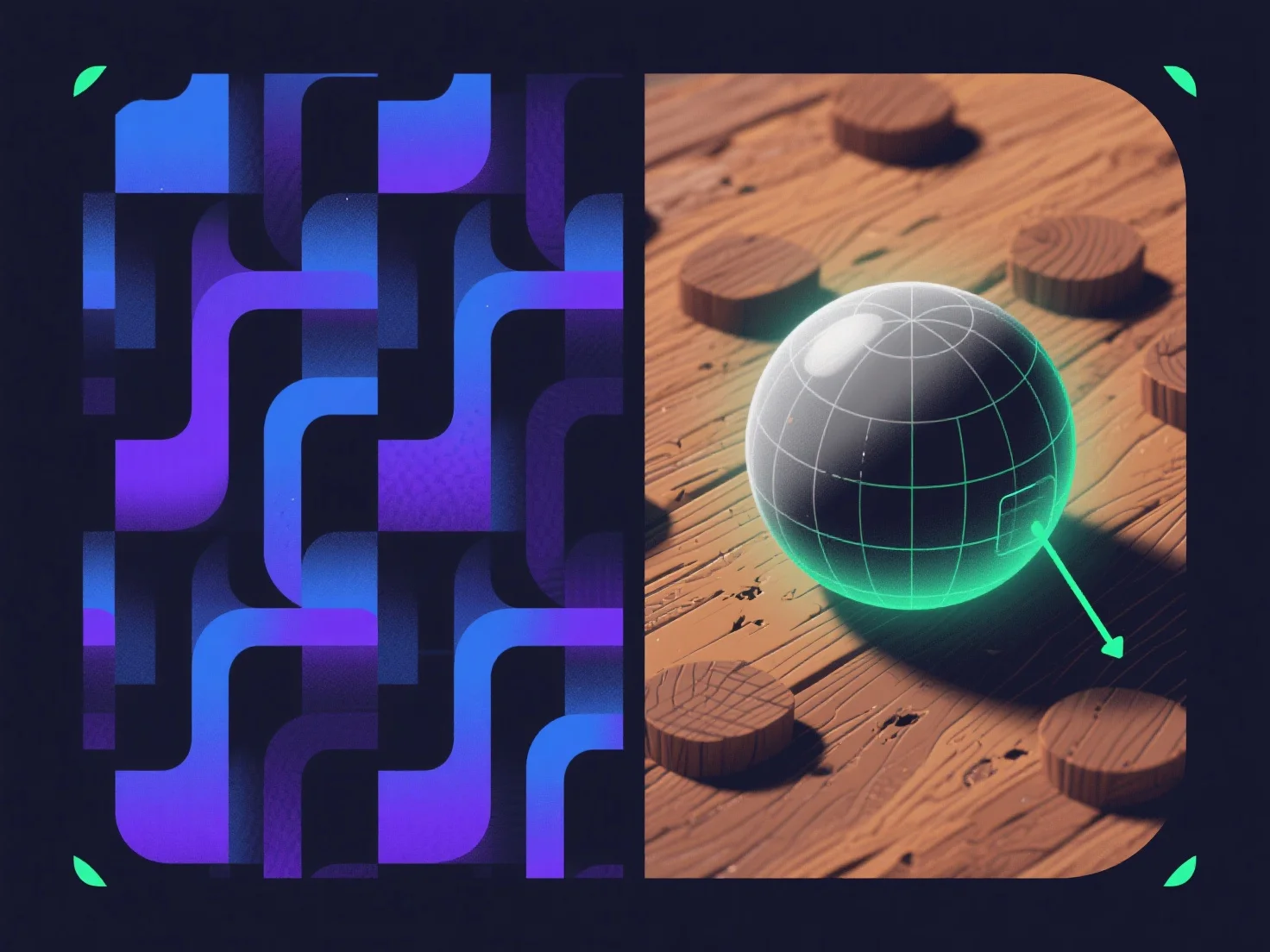
Procedural textures use algorithms for flexibility and scalability; image-based use pre-made files for quick realism.

What are the differences between procedural textures and image-based textures in 3D design?

Procedural textures are generated via algorithms, while image-based textures use pre-made image files; their key differences lie in creation method, flexibility, and resource usage.

Procedural textures rely on mathematical formulas, making them resolution-independent (no pixelation when scaled) and easy to adjust via parameters (e.g., modifying a stone texture’s roughness or pattern density). Image-based textures are bitmap/raster files (e.g., JPEG, PNG), with detail fixed to their original resolution (may pixelate when scaled), ideal for applying real-world material photos (e.g., wooden planks, fabric swatches).

Typical use cases: Procedural textures suit editable, scalable patterns (e.g., brick walls, terrain heightmaps); image-based textures excel at realistic, photo-derived details (e.g., rusted metal).

Choose procedural for adaptability to model scales or frequent tweaks; image-based for quick, photo-realistic results with minimal setup.

PreviousNext
产品
Web 工作室
API 平台
功能
图片转 3D
多视图转 3D
浮雕
分割
模型
通用模型
人像模型
资源
博客
常见问题
API 文档
关于我们
定价