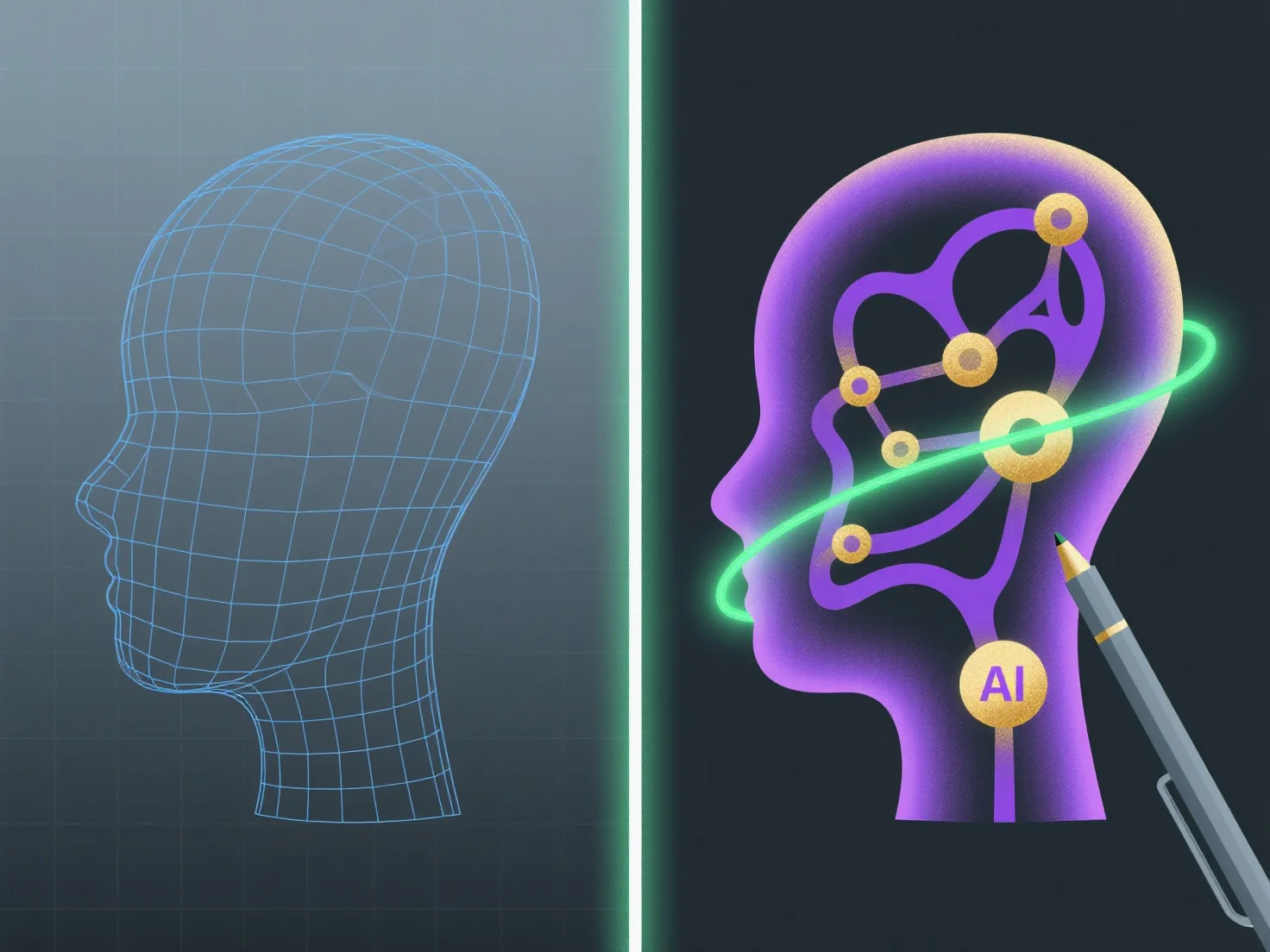
Combining AI-based tools with traditional 3D modeling software offers three key advantages: enhanced efficiency, improved precision, and expanded creative possibilities.
AI automates repetitive tasks like mesh retopology, texture mapping, or UV unwrapping, reducing manual workload and accelerating project timelines significantly.
It boosts precision by refining details: for example, AI-driven material simulations generate more realistic textures, while error-detection tools identify mesh inconsistencies early, ensuring higher accuracy.
Additionally, AI expands creative flexibility through features like style transfer (adapting artistic styles to 3D models) or generative design, complementing traditional software’s manual control to unlock unique, innovative designs.
