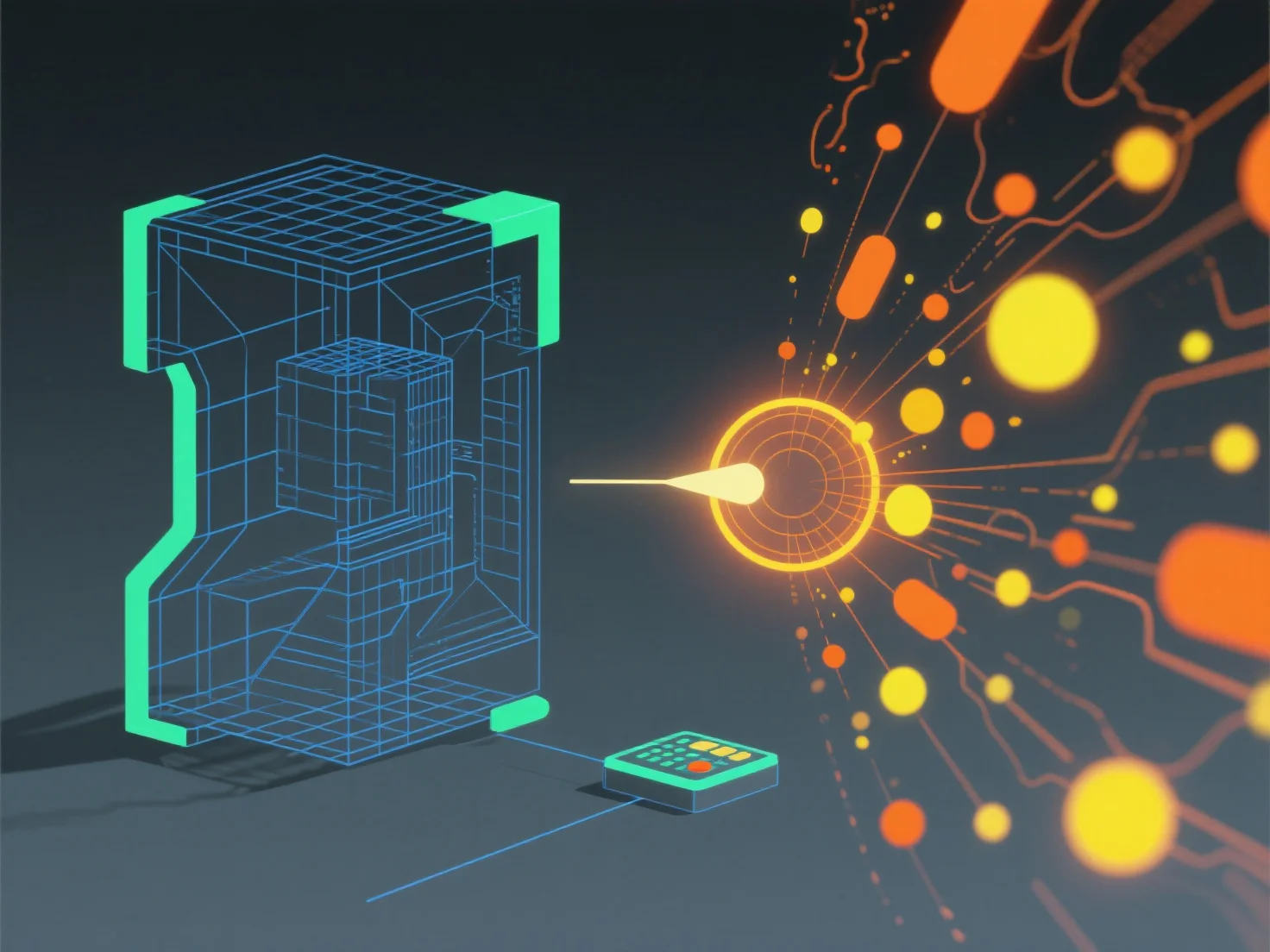
3D modeling in simulation environments is implemented by creating digital replicas of objects or scenes with accurate physical, spatial, or behavioral attributes to enable realistic interactions.
First, define core visual elements: geometry (shapes, dimensions) and textures (colors, materials) to replicate appearance, ensuring the model visually matches real-world counterparts.
Next, set physics parameters, such as mass, friction, or collision rules, to mimic real-world behavior—so objects move, collide, or respond authentically.
Then, integrate these models into simulation platforms (e.g., Unity, Unreal Engine), where they enable interactive testing.
This process supports scenarios like virtual machinery training, disaster drills, or product prototype validation, delivering dynamic, realistic simulation experiences.
