Home/Hitem3D FAQ/How does VR-based 3D presentation differ from desktop 3D experiences?

How does VR-based 3D presentation differ from desktop 3D experiences?

VR-based 3D differs from desktop 3D in immersion depth, interaction methods, and use case focus.

How does VR-based 3D presentation differ from desktop 3D experiences?

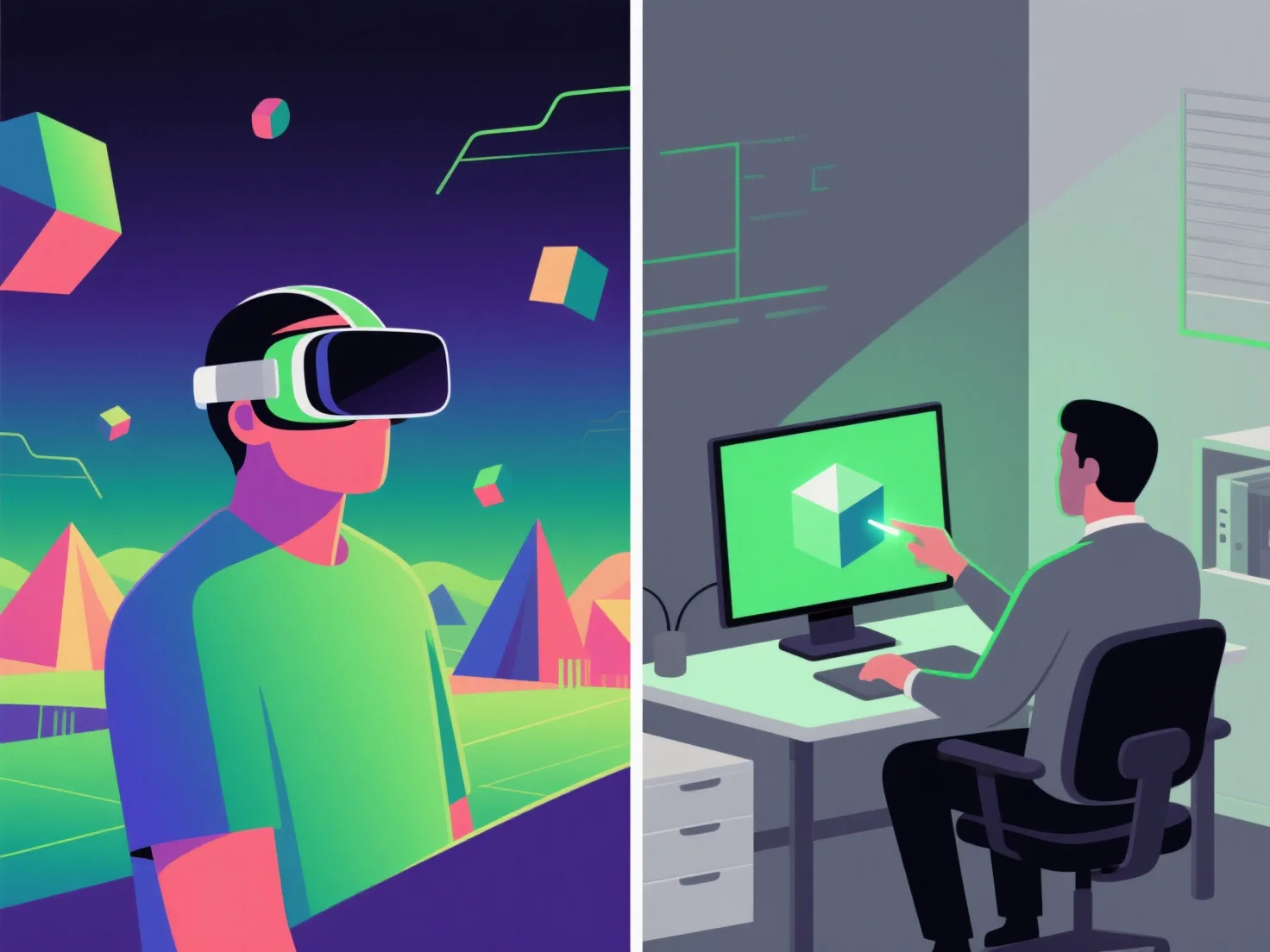
VR-based 3D presentation differs from desktop 3D experiences primarily in immersion depth, interaction methods, and use case focus. VR uses head-mounted displays to deliver a fully enclosed 360° virtual environment, creating strong spatial presence where users feel "inside" the 3D space. In contrast, desktop 3D presents 3D models on a flat screen with fixed viewing angles, offering limited immersion. VR interaction relies on natural body movements—such as hand tracking, head rotation, or gesture control—for intuitive engagement with 3D objects. Desktop 3D, however, uses mouse, keyboard, or touch inputs to manipulate models on-screen, with less physical involvement. VR excels in scenarios needing deep immersion, like training simulations or immersive gaming. Desktop 3D is ideal for screen-based tasks such as architectural previews or educational demos where quick, accessible 3D viewing suffices. In short, VR prioritizes immersion and natural interaction, while desktop 3D offers practical, screen-bound 3D access.

PreviousNext
产品
Web 工作室
API 平台
功能
图片转 3D
多视图转 3D
浮雕
分割
模型
通用模型
人像模型
资源
博客
常见问题
API 文档
关于我们
定价