Home/Hitem3D FAQ/How does the rendering pipeline differ between static images and animated scenes?

How does the rendering pipeline differ between static images and animated scenes?

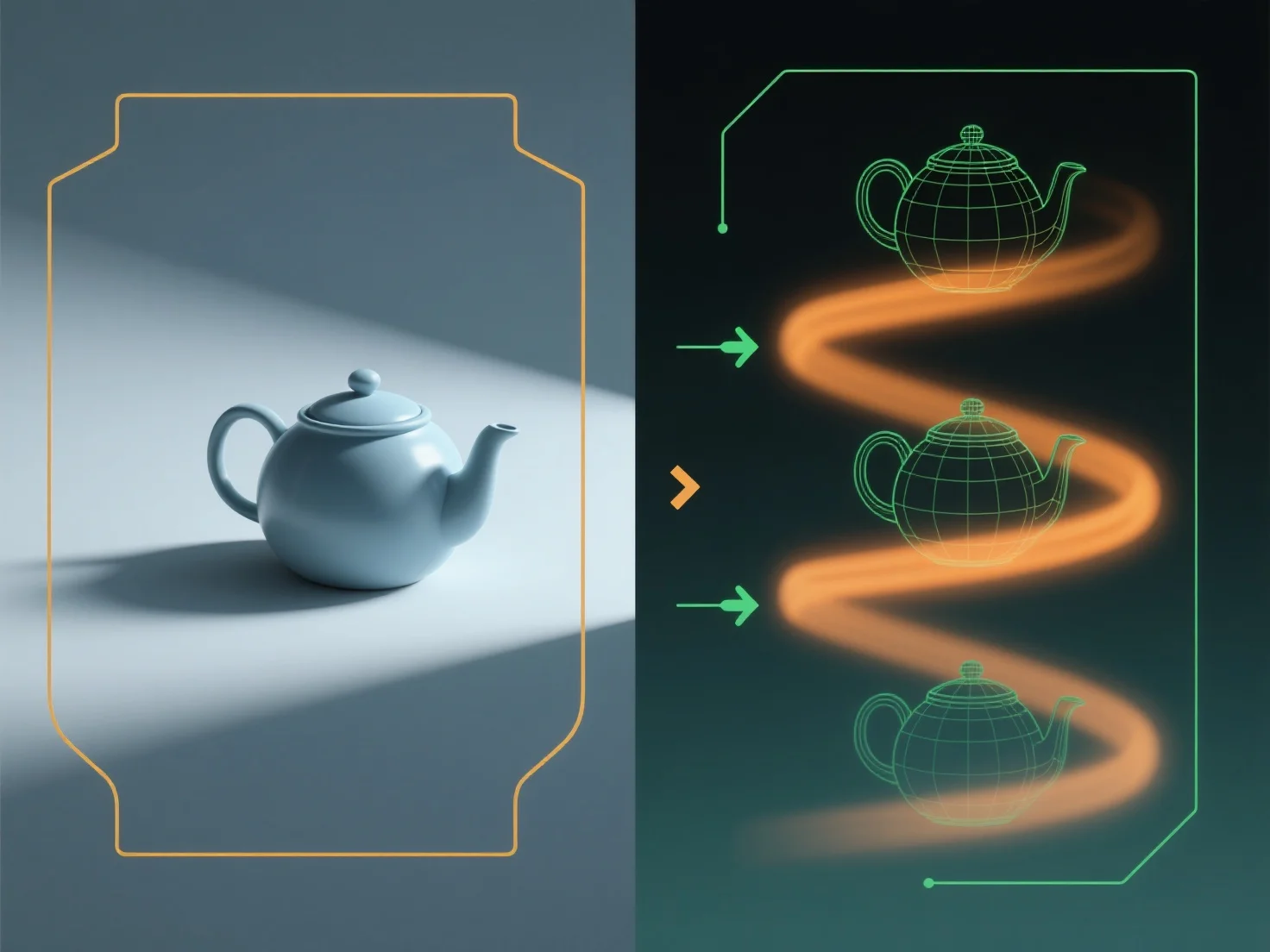
Static rendering processes a single frame without time variables, while animated rendering sequences dynamic frames with time-based updates.

How does the rendering pipeline differ between static images and animated scenes?

The rendering pipeline for static images and animated scenes differs primarily in time dependency: static images focus on a single frame, while animated scenes require time-based frame sequencing and motion calculations.

Static image pipelines process one frame with fixed geometry, textures, and lighting—no time variables are involved. Core steps include geometry processing, lighting, and shading to produce a single, final image.

Animated pipelines, by contrast, iterate over time, updating object positions, rotations, or deformations frame-by-frame. They also integrate motion-related effects like motion blur to simulate smooth movement across sequential frames.

In short, static rendering handles a single moment, while animated rendering manages a sequence of dynamic moments over time.

PreviousNext
产品
Web 工作室
API 平台
功能
图片转 3D
多视图转 3D
浮雕
分割
模型
通用模型
人像模型
资源
博客
常见问题
API 文档
关于我们
定价