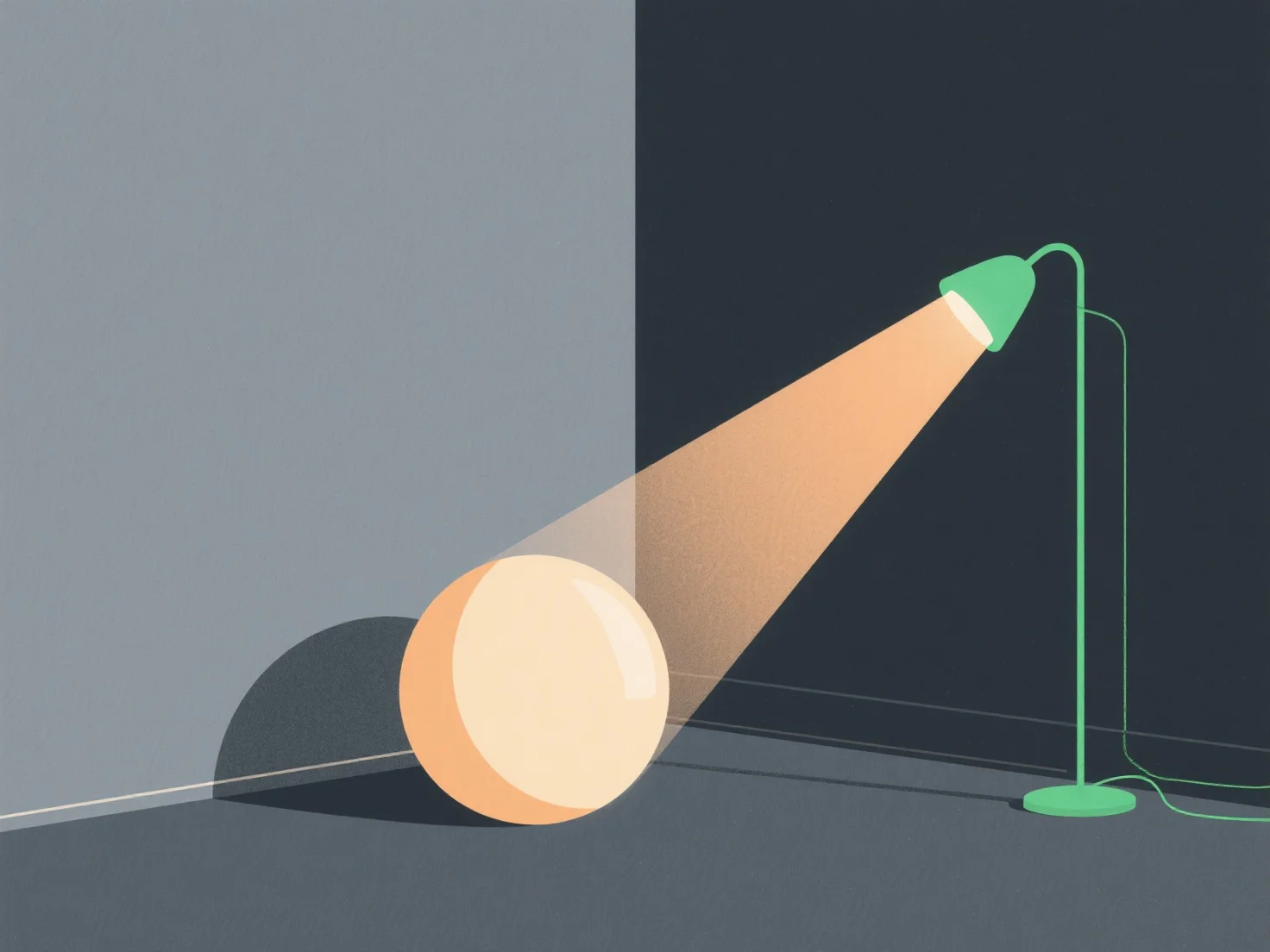
Bounce lighting in 3D rendering works by simulating light rays that reflect off surfaces and then illuminate other objects or areas, mimicking real-world indirect illumination to enhance scene realism.
It operates through key steps: - **Direct light emission**: Initial rays originate from primary sources (e.g., sun, lamps). - **Surface interaction**: Rays hit surfaces, which absorb some light and reflect the rest based on properties like albedo (reflectivity) and texture. - **Indirect illumination**: Reflected rays act as secondary sources, lighting nearby objects or shadowed regions.
By accounting for these bounced rays, 3D scenes gain softer shadows, natural color blending, and depth, making renders feel lifelike rather than flat.
