Home/Hitem3D FAQ/How does subsurface scattering work in materials like skin or wax in 3D rendering?

How does subsurface scattering work in materials like skin or wax in 3D rendering?

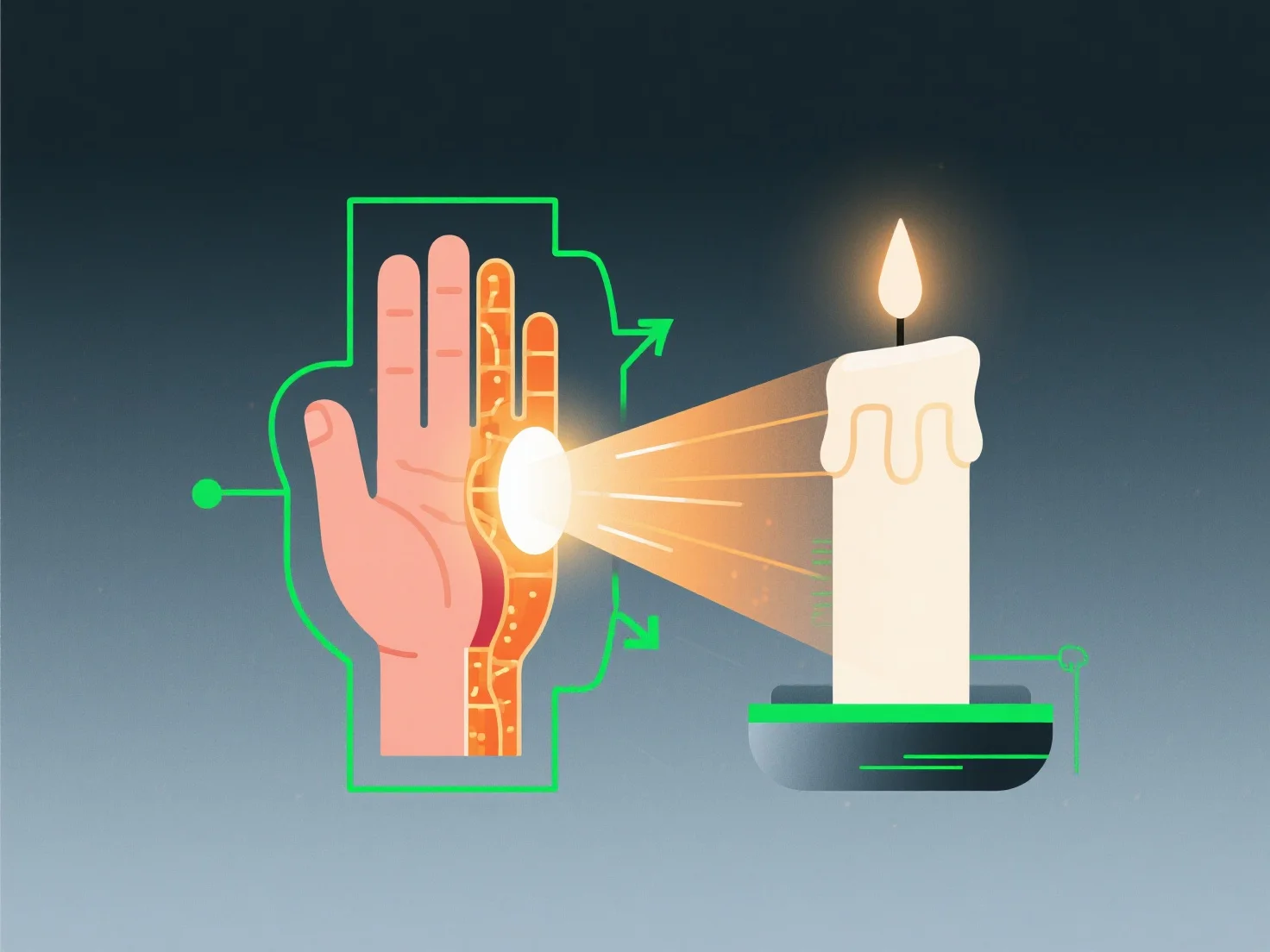
Subsurface scattering in 3D rendering simulates light penetration, internal scattering, and exit in translucent materials for natural softness and glow.

How does subsurface scattering work in materials like skin or wax in 3D rendering?

Subsurface scattering in 3D rendering simulates how light penetrates, scatters internally, and exits translucent materials like skin or wax, creating natural softness and a lifelike glow. Light photons enter the material and scatter off internal particles—such as collagen in skin or wax molecules—bouncing multiple times before re-emerging at varying points, unlike opaque surfaces that reflect light sharply. Adjusting parameters like scattering depth (how far light travels) and color absorption (e.g., red wavelengths for skin) enhances realism, ensuring the material looks authentic without complex setups. This process mimics real-world light behavior, resulting in the diffused, glowing appearance characteristic of skin, wax, and other translucent materials in 3D renders.

PreviousNext
产品
Web 工作室
API 平台
功能
图片转 3D
多视图转 3D
浮雕
分割
模型
通用模型
人像模型
资源
博客
常见问题
API 文档
关于我们
定价