Home/Hitem3D FAQ/How does simulation setup add to time cost in 3D workflows?

How does simulation setup add to time cost in 3D workflows?

Simulation setup in 3D workflows increases time via iterative parameter tuning, physics engine testing, and result validation loops.

How does simulation setup add to time cost in 3D workflows?

Simulation setup increases time cost in 3D workflows by requiring iterative adjustments across parameter configuration, physics engine testing, and result validation.

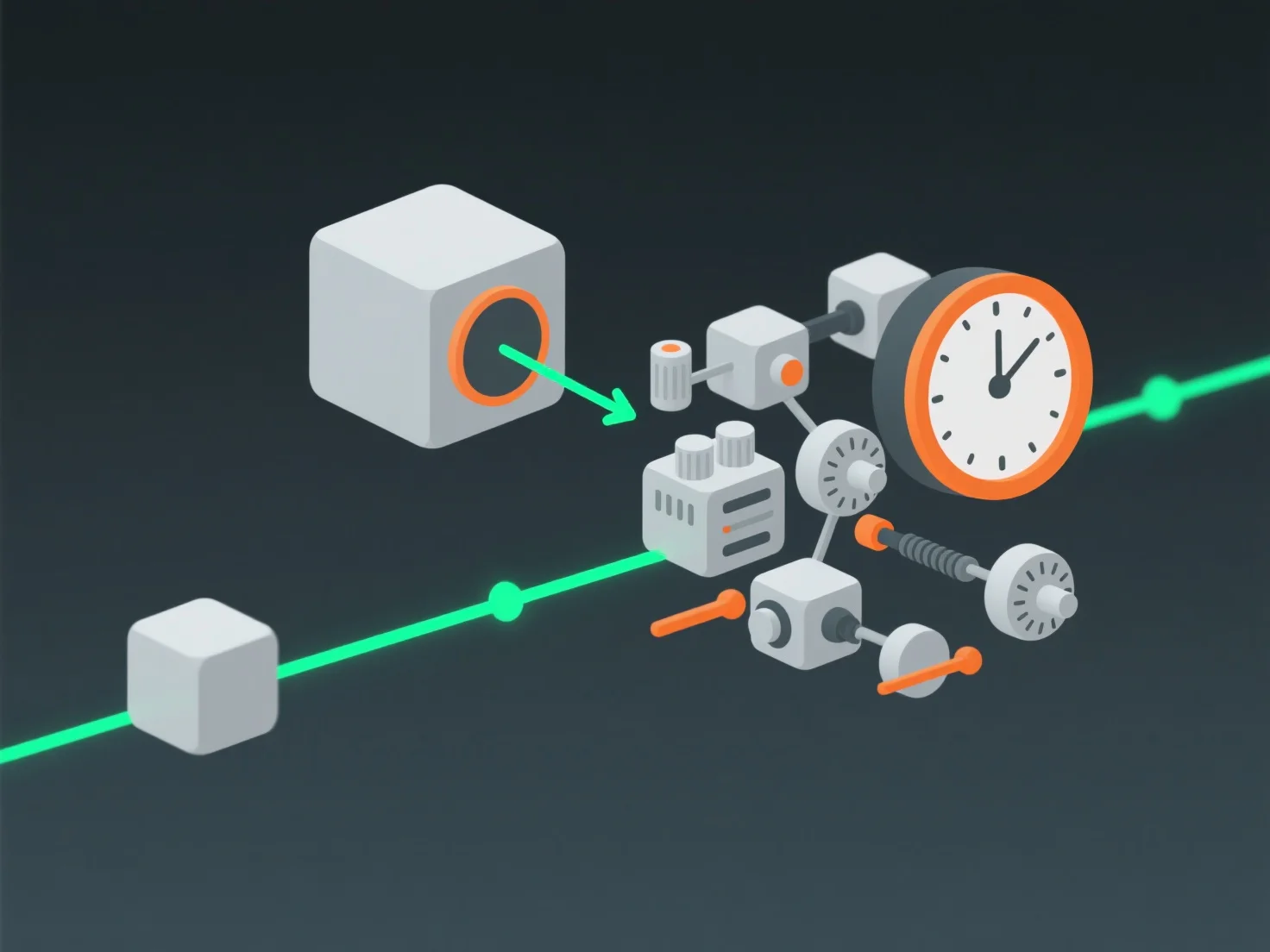
- **Parameter tuning**: Defining material properties (e.g., elasticity, friction), boundary conditions (e.g., fixed vs. dynamic), and motion constraints (e.g., joints, collisions) often demands trial-and-error to align with project goals, as suboptimal settings may produce unrealistic outcomes. - **Physics engine testing**: Configuring and testing engine compatibility (e.g., adjusting solver iterations, time steps) to ensure stable, accurate simulations adds time, especially for complex interactions like fluid dynamics or soft-body physics. - **Result validation**: Even minor parameter tweaks (e.g., changing a material’s density) may necessitate re-simulating to verify consistency, creating a loop of setup-test-adjust that prolongs timelines.

These cumulative steps—from initial setup to validation—significantly extend the time required for 3D workflows.

PreviousNext
产品
Web 工作室
API 平台
功能
图片转 3D
多视图转 3D
浮雕
分割
模型
通用模型
人像模型
资源
博客
常见问题
API 文档
关于我们
定价