Home/Hitem3D FAQ/How does role-based tooling improve 3D workflow efficiency?

How does role-based tooling improve 3D workflow efficiency?

Role-based tooling boosts 3D workflow efficiency via tailored tools, reduced learning, and enhanced team coordination.

How does role-based tooling improve 3D workflow efficiency?

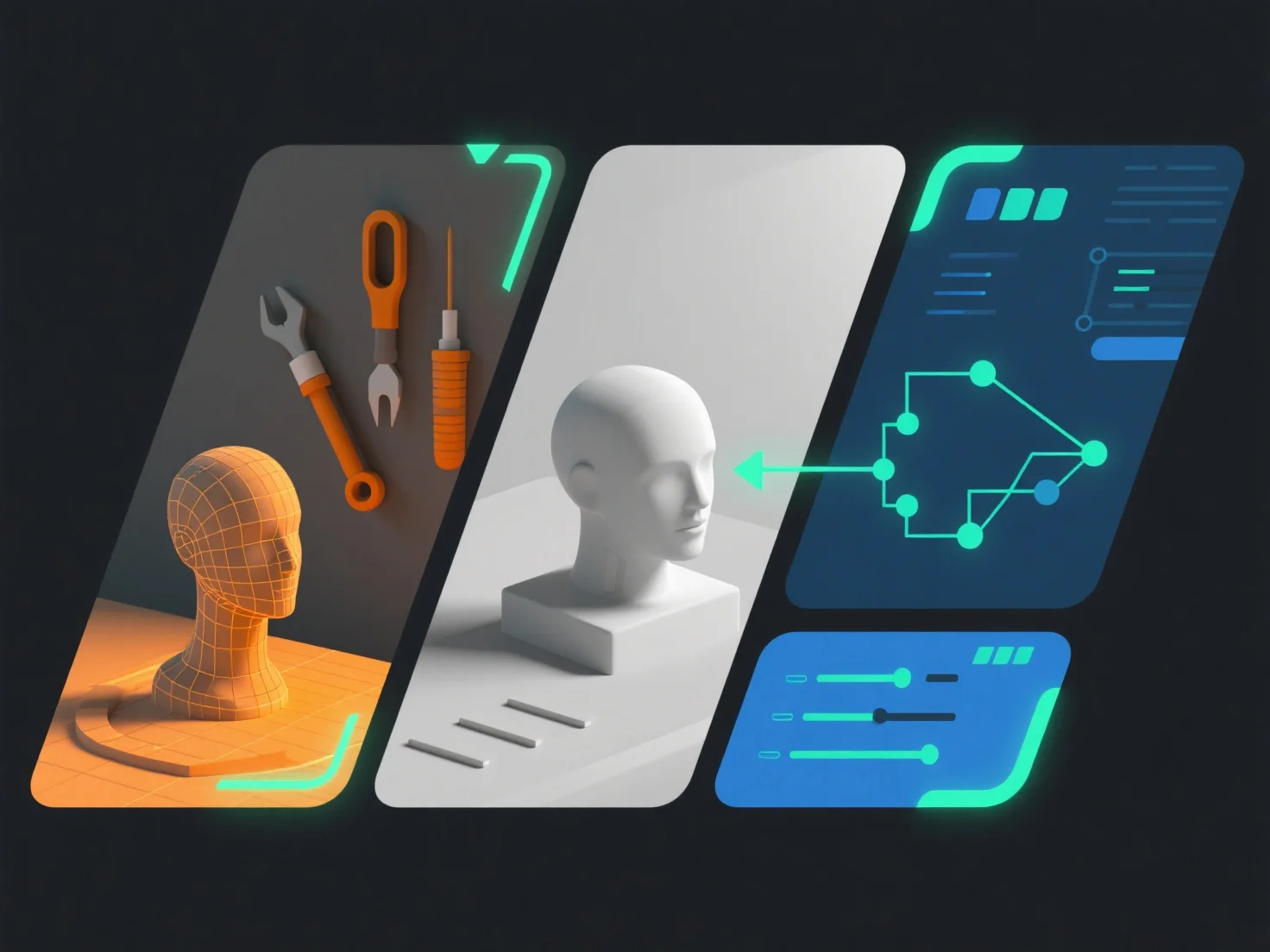
Role-based tooling improves 3D workflow efficiency by customizing tools and interfaces to specific user roles, reducing complexity and streamlining task execution.

- **Tailored tool access**: Each role (e.g., modelers, animators, renderers) accesses only relevant tools, minimizing distractions and unnecessary steps. - **Reduced learning curve**: Simplified, role-specific interfaces cut training time, letting users master tools faster. - **Enhanced coordination**: Clear role definitions align team efforts, avoiding overlap or gaps in tasks like texturing or rigging.

By focusing on role-specific needs, it optimizes productivity and ensures smooth workflow progression.

PreviousNext
产品
Web 工作室
API 平台
功能
图片转 3D
多视图转 3D
浮雕
分割
模型
通用模型
人像模型
资源
博客
常见问题
API 文档
关于我们
定价