Home/Hitem3D FAQ/How does real-time rendering handle light sources differently from offline renderers?

How does real-time rendering handle light sources differently from offline renderers?

Real-time rendering prioritizes speed with approximations, while offline rendering uses accurate simulations for higher quality.

How does real-time rendering handle light sources differently from offline renderers?

Real-time rendering simplifies light source calculations to prioritize speed, while offline renderers use complex, physically accurate simulations for higher quality.

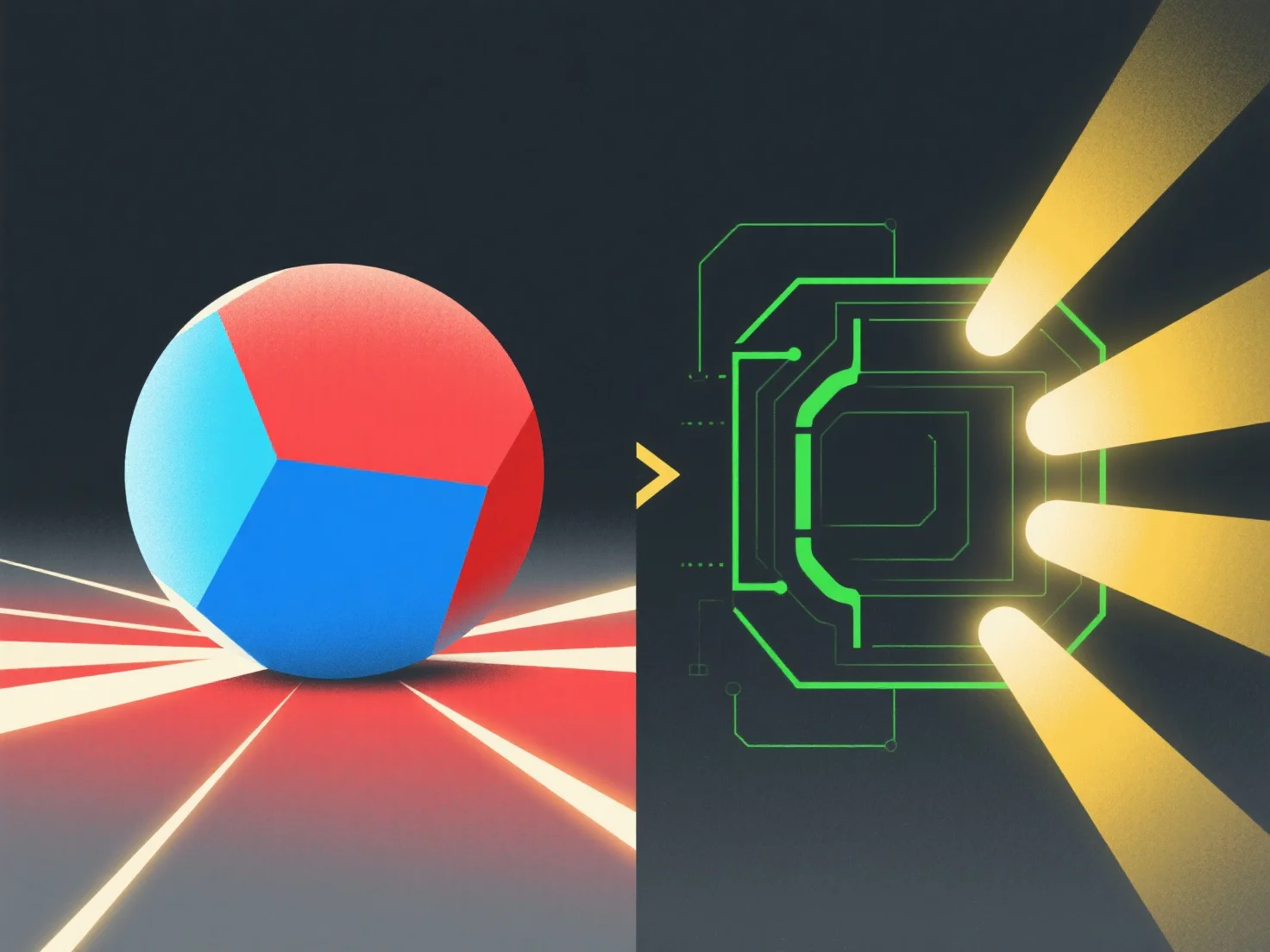
Real-time rendering often employs approximate techniques like shadow maps or ambient occlusion to reduce computational load, enabling instant visual feedback in applications such as video games. Offline renderers, by contrast, use methods like path tracing or global illumination to accurately simulate light bounces and interactions, resulting in more realistic lighting but requiring longer rendering times, common in movie CGI or architectural visualization.

For quick previews or interactive experiences, real-time rendering is ideal; for high-fidelity, detailed lighting effects, offline rendering is better suited.

PreviousNext
产品
Web 工作室
API 平台
功能
图片转 3D
多视图转 3D
浮雕
分割
模型
通用模型
人像模型
资源
博客
常见问题
API 文档
关于我们
定价