Home/Hitem3D FAQ/How does real-time ray tracing impact rendering costs in 3D modeling?

How does real-time ray tracing impact rendering costs in 3D modeling?

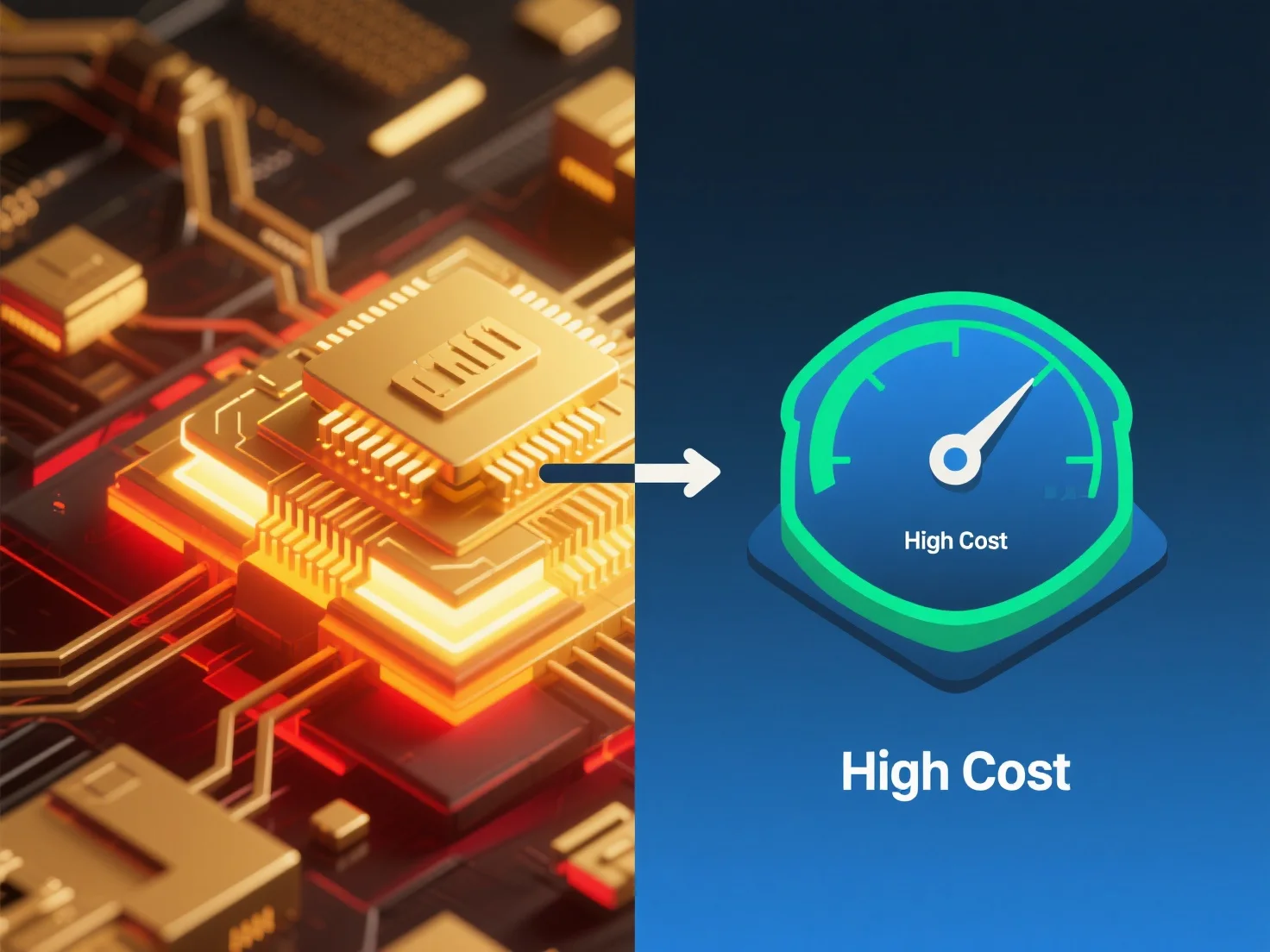
Real-time ray tracing raises 3D rendering costs via complex calculations, hardware needs, and direct expenses, mitigated by optimizations.

How does real-time ray tracing impact rendering costs in 3D modeling?

Real-time ray tracing generally increases rendering costs in 3D modeling by demanding higher computational resources.

Key cost drivers include: - **Complex calculations**: It dynamically simulates light paths, involving intensive real-time computations that strain hardware. - **Hardware requirements**: High-end GPUs, multi-core CPUs, or specialized RT cores are often needed to handle these tasks. - **Direct expenses**: In gaming or live visualization, upgrading hardware to support ray tracing directly adds to rendering costs. - **Budget workarounds**: Optimizations like limiting light bounces help balance effects and expenses for constrained projects.

Overall, its cost impact stems from resource-heavy calculations and hardware needs, though strategic optimizations can mitigate expenses.

PreviousNext
产品
Web 工作室
API 平台
功能
图片转 3D
多视图转 3D
浮雕
分割
模型
通用模型
人像模型
资源
博客
常见问题
API 文档
关于我们
定价