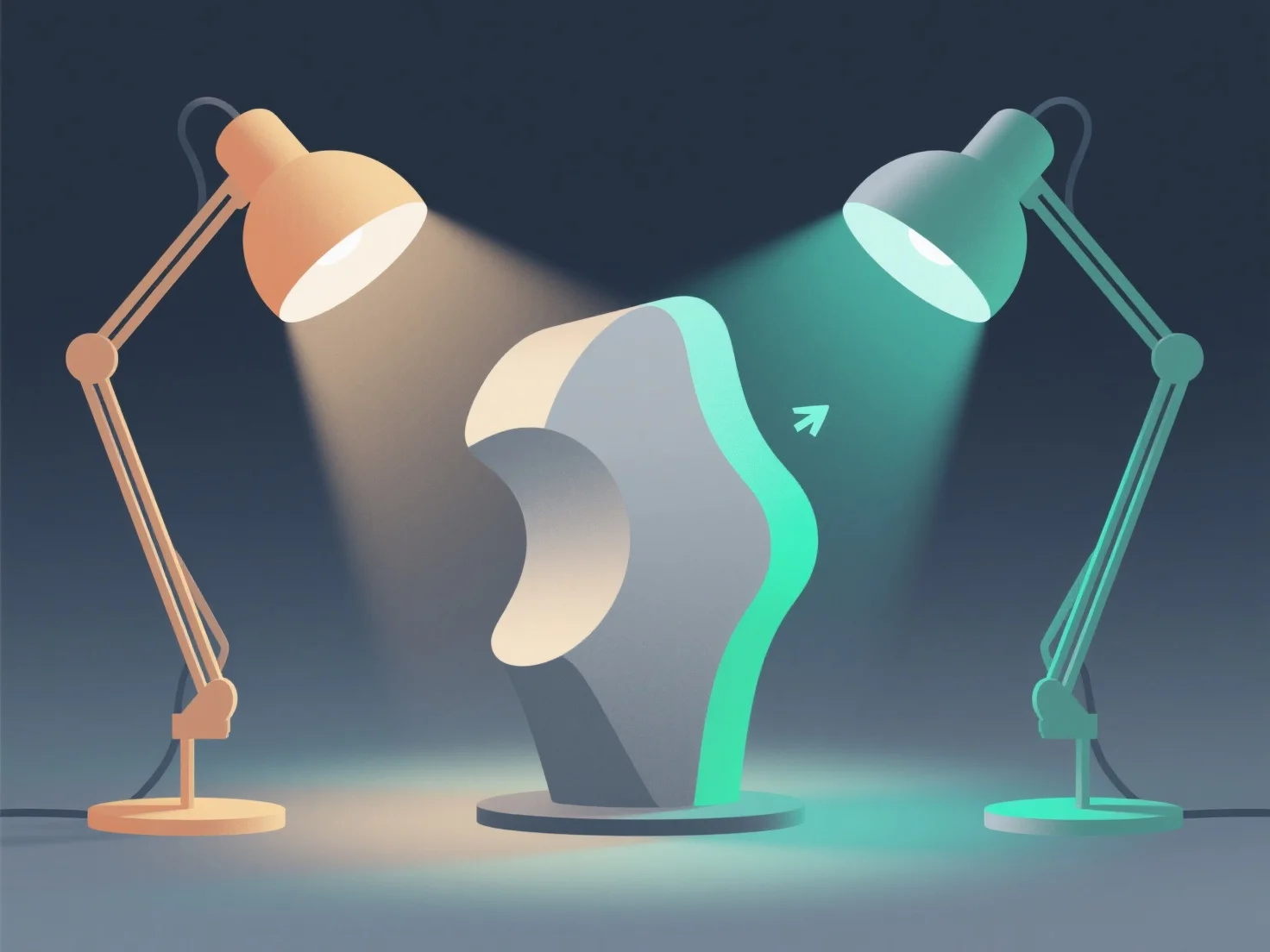
Lighting design significantly impacts the 3D modeling process by enhancing realism, defining spatial depth, and guiding viewer focus, acting as a core element to make models visually compelling and contextually accurate.
- **Boosts realism**: Proper lighting makes textures, materials, and forms appear lifelike, preventing models from looking flat or artificial. - **Clarifies spatial relationships**: It highlights depth, distinguishing foreground from background and emphasizing key features to convey hierarchy. - **Influences rendering quality**: Poor lighting can obscure details or distort proportions, while strategic lighting ensures renderings align with the model’s intended use (e.g., architecture, product design). - **Aids workflow refinement**: Adjusting parameters like intensity, color, and direction during iteration helps align the model with its purpose, improving both aesthetics and functionality.
In essence, lighting design is vital for transforming 3D models into immersive, purposeful visuals.
