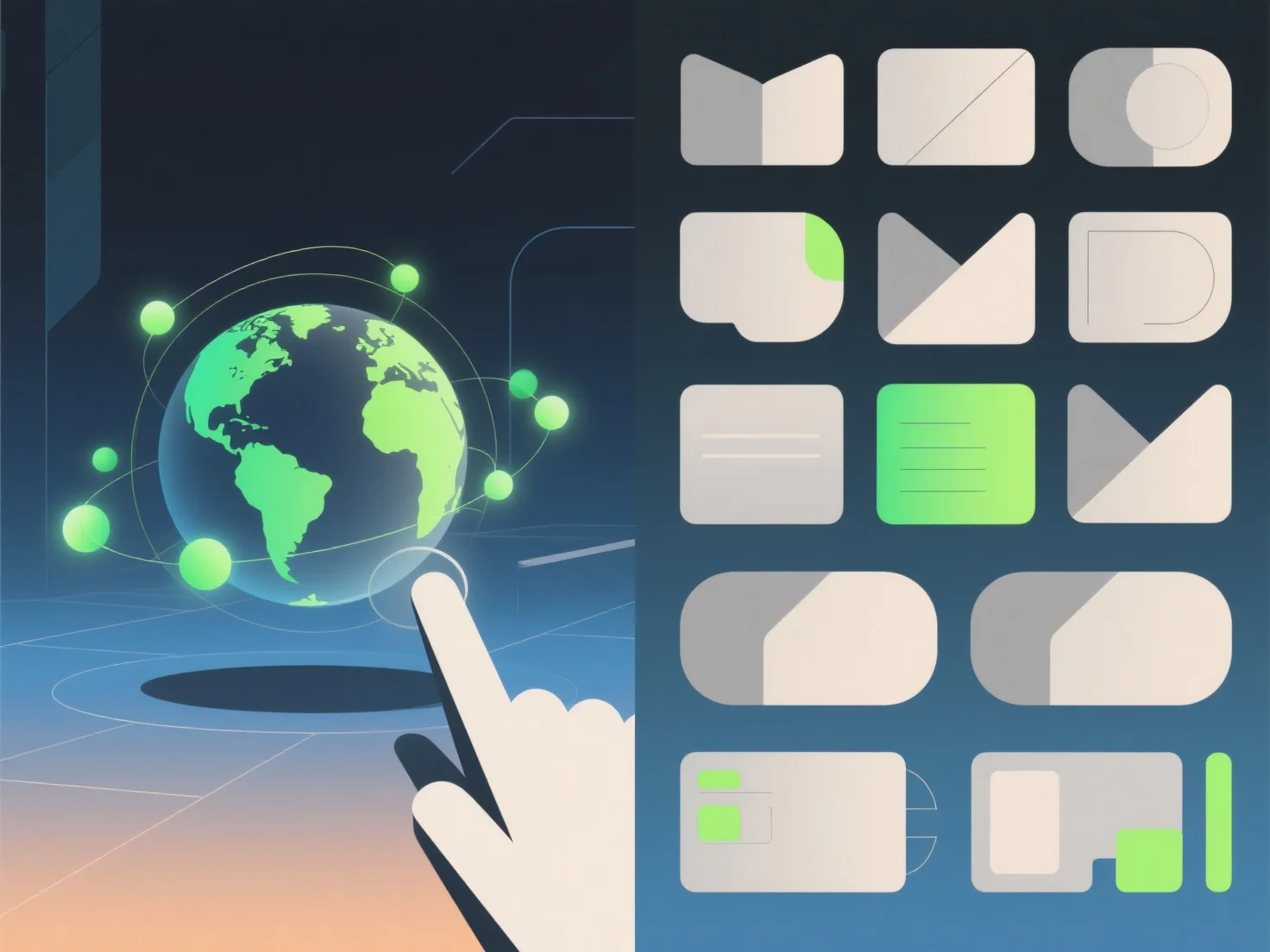
Interactive 3D storytelling and slide-based presentations differ primarily in user engagement and content delivery: 3D storytelling prioritizes active interaction and immersive exploration, while slide-based presentations rely on linear, static content sharing.
- **Interaction model**: 3D storytelling lets users actively manipulate, navigate, or explore 3D elements (e.g., rotating a product model), fostering hands-on engagement. Slides deliver content passively, with users following a fixed sequence. - **Immersion level**: 3D environments often offer multi-sensory, lifelike experiences, simplifying complex info (e.g., anatomical structures). Slides use 2D visuals/text, which are simpler but less immersive. - **Use case fit**: 3D storytelling excels in deep engagement scenarios (e.g., educational simulations, product demos). Slides remain ideal for quick, sequential sharing (e.g., business reports, lectures).
In short, 3D storytelling enhances active participation and immersion, while slides excel at straightforward, linear communication.
