Home/Hitem3D FAQ/How does GPU acceleration impact the performance of 3D rendering?

How does GPU acceleration impact the performance of 3D rendering?

GPU acceleration enhances 3D rendering speed, handles high detail, and streamlines workflows via parallel processing.

How does GPU acceleration impact the performance of 3D rendering?

GPU acceleration significantly enhances 3D rendering performance by leveraging parallel processing to handle rendering tasks more efficiently than CPU-only workflows.

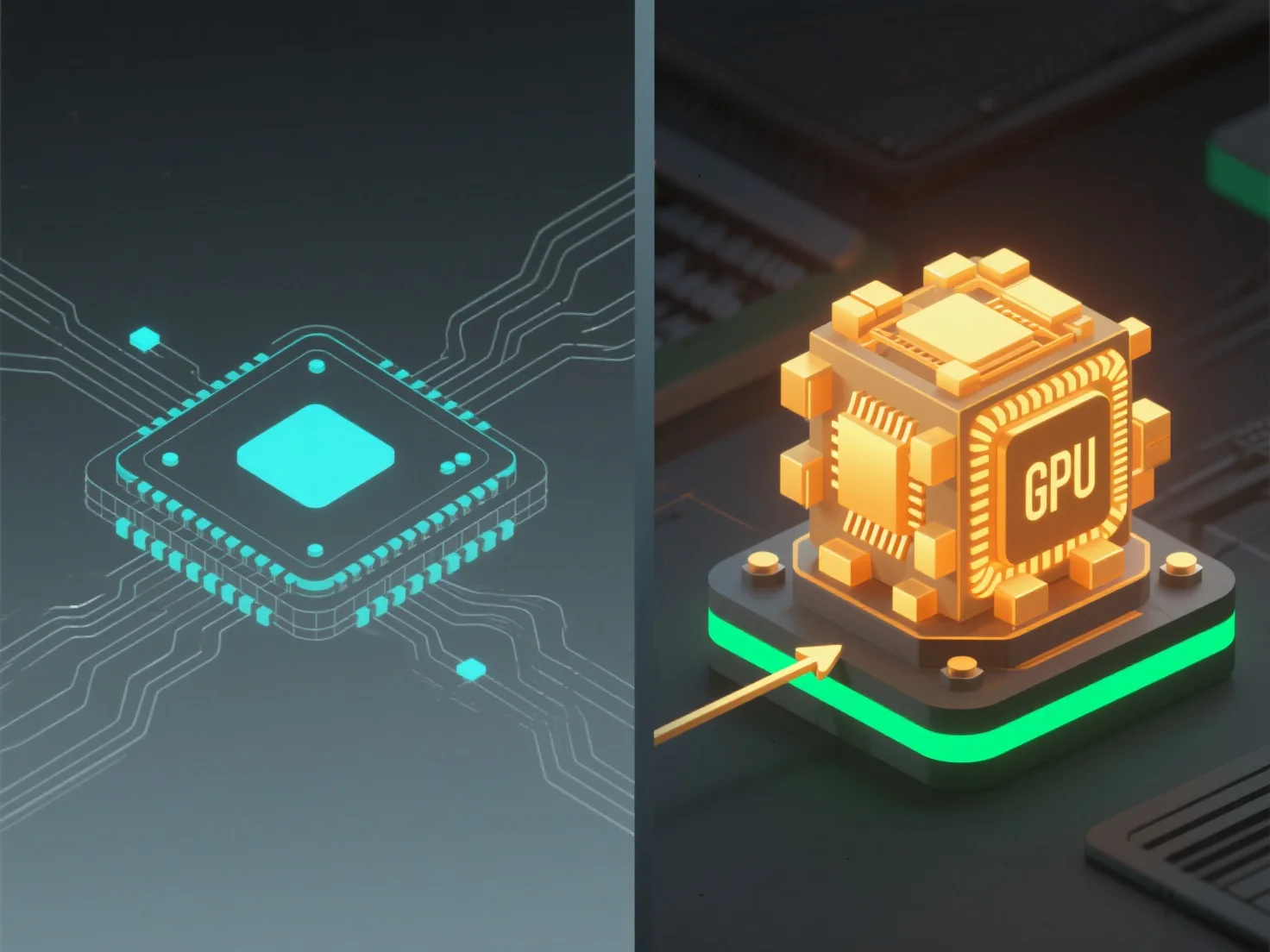
GPUs feature thousands of parallel cores optimized for simultaneous computations, unlike CPUs with fewer, high-power cores. This architecture excels at rendering-specific tasks like pixel shading, texture mapping, and lighting calculations, which require processing multiple data points at once.

By offloading these tasks, GPU acceleration reduces rendering time for complex scenes—such as those with high polygon counts, detailed textures, or advanced effects like ray tracing. This shortens project cycles and improves workflow efficiency.

In summary, GPU acceleration boosts speed, handles high-detail content better, and streamlines 3D rendering workflows, making it essential for professionals in animation, gaming, and visualization.

PreviousNext
产品
Web 工作室
API 平台
功能
图片转 3D
多视图转 3D
浮雕
分割
模型
通用模型
人像模型
资源
博客
常见问题
API 文档
关于我们
定价