Home/Hitem3D FAQ/How does a 3D modeler ensure their models are optimized for different platforms (PC, VR, mobile)?

How does a 3D modeler ensure their models are optimized for different platforms (PC, VR, mobile)?

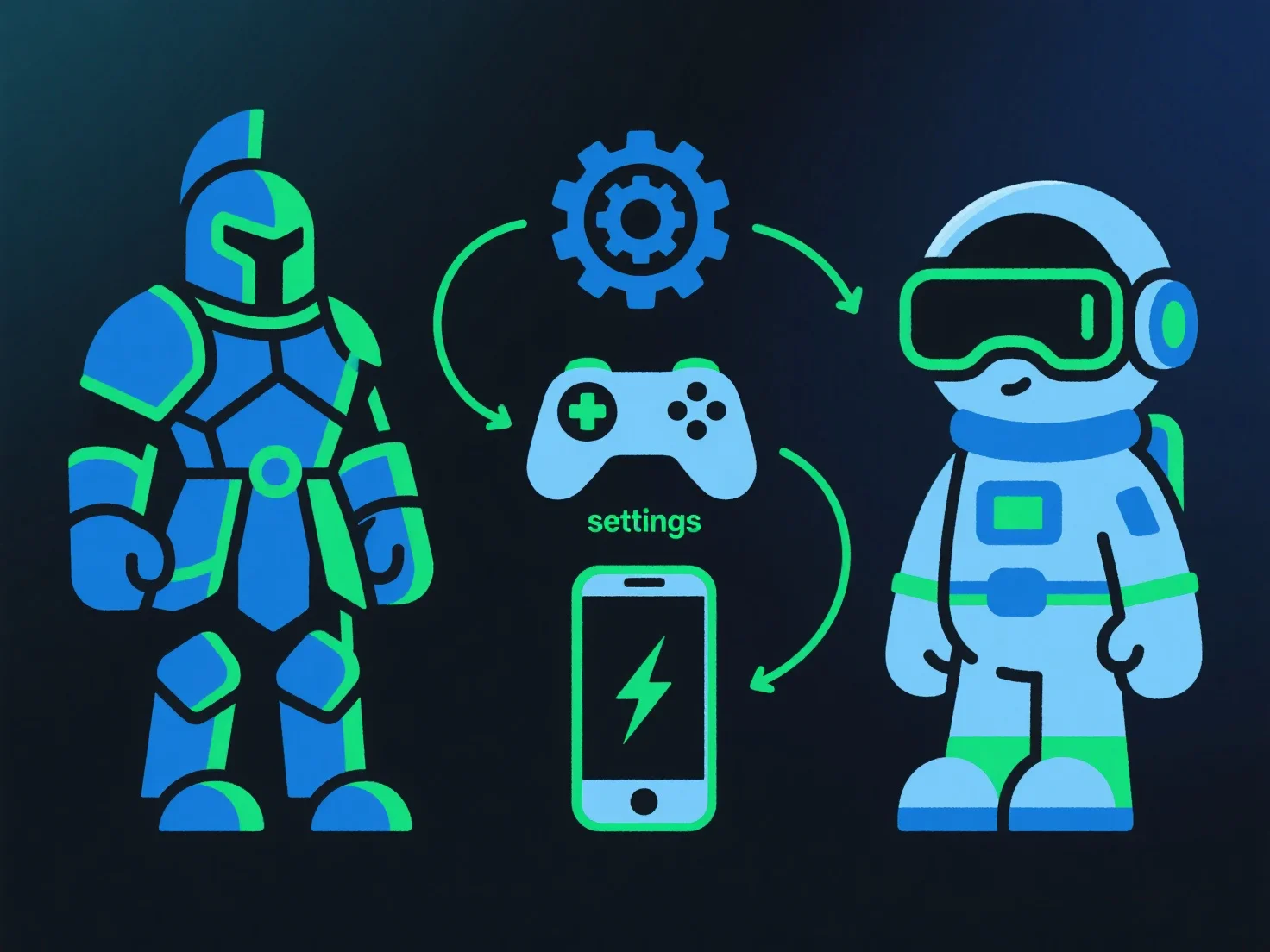
Modelers optimize 3D models for PC, VR, and mobile by adjusting polygons, textures, LODs, and testing per platform limits to balance quality and performance.

How does a 3D modeler ensure their models are optimized for different platforms (PC, VR, mobile)?

To optimize 3D models for PC, VR, and mobile, modelers adjust polygon count, texture resolution, and file formats based on each platform’s hardware limits, balancing visual quality and performance.

- **Polygon optimization**: Reduce non-essential polygons (e.g., simplify minor details) for mobile/VR to lower rendering load; retain key details for PC with stronger hardware. - **Texture management**: Compress textures (e.g., using BCn or ASTC formats) and lower resolution for mobile; adopt lightweight formats like glTF for faster loading. - **LOD techniques**: Implement level-of-detail systems to switch model complexity based on camera distance, easing GPU strain on lower-end devices. - **Platform-specific testing**: Follow guidelines (e.g., VR’s low-latency requirements, mobile’s memory constraints) and test on target devices to refine performance.

This ensures models render smoothly across platforms while preserving core visual integrity.

PreviousNext
产品
Web 工作室
API 平台
功能
图片转 3D
多视图转 3D
浮雕
分割
模型
通用模型
人像模型
资源
博客
常见问题
API 文档
关于我们
定价