Home/Hitem3D FAQ/How does 3D visualization differ between standardized and custom workflows?

How does 3D visualization differ between standardized and custom workflows?

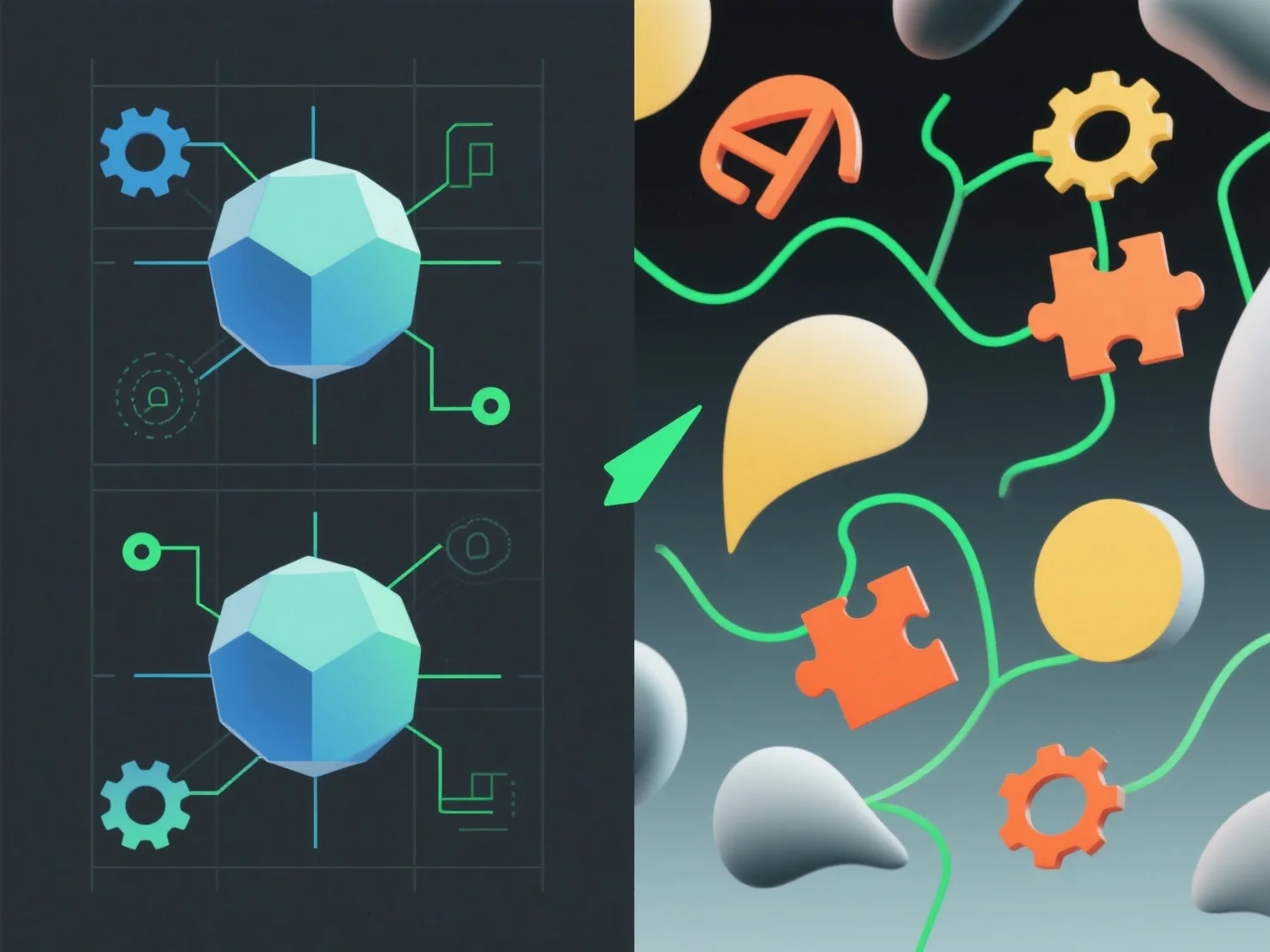
3D visualization workflows differ in process rigidity, tool usage, and output adaptability, with standardized being efficient and custom tailored.

How does 3D visualization differ between standardized and custom workflows?

3D visualization differs between standardized and custom workflows primarily in process structure, tool selection, and output adaptability. Standardized workflows follow fixed, template-based steps with consistent tools, while custom workflows use flexible, tailored processes and specialized tools to meet unique needs.

Process rigidity: Standardized workflows adhere to predefined, repeatable steps (e.g., preset rendering templates), ensuring uniformity. Custom workflows are flexible, allowing adjustments to steps like modeling or texturing based on project specifics.

Tool usage: Standardized workflows rely on common off-the-shelf software (e.g., Blender, SketchUp) for accessibility and consistency. Custom workflows often use specialized tools or custom scripts to address unique technical demands (e.g., complex geometry processing).

Output adaptability: Standardized outputs are consistent but less flexible, suited for routine projects. Custom workflows prioritize adaptability, handling unique requirements like bespoke textures or intricate 3D models.

Overall, standardized workflows excel in efficiency for regular tasks, while custom workflows are ideal for projects needing tailored, unique solutions.

PreviousNext
产品
Web 工作室
API 平台
功能
图片转 3D
多视图转 3D
浮雕
分割
模型
通用模型
人像模型
资源
博客
常见问题
API 文档
关于我们
定价