Home/Hitem3D FAQ/How does 3D modeling assist in creating realistic clothing and fabric textures?

How does 3D modeling assist in creating realistic clothing and fabric textures?

3D modeling makes realistic clothing textures by simulating physical properties and adding surface details.

How does 3D modeling assist in creating realistic clothing and fabric textures?

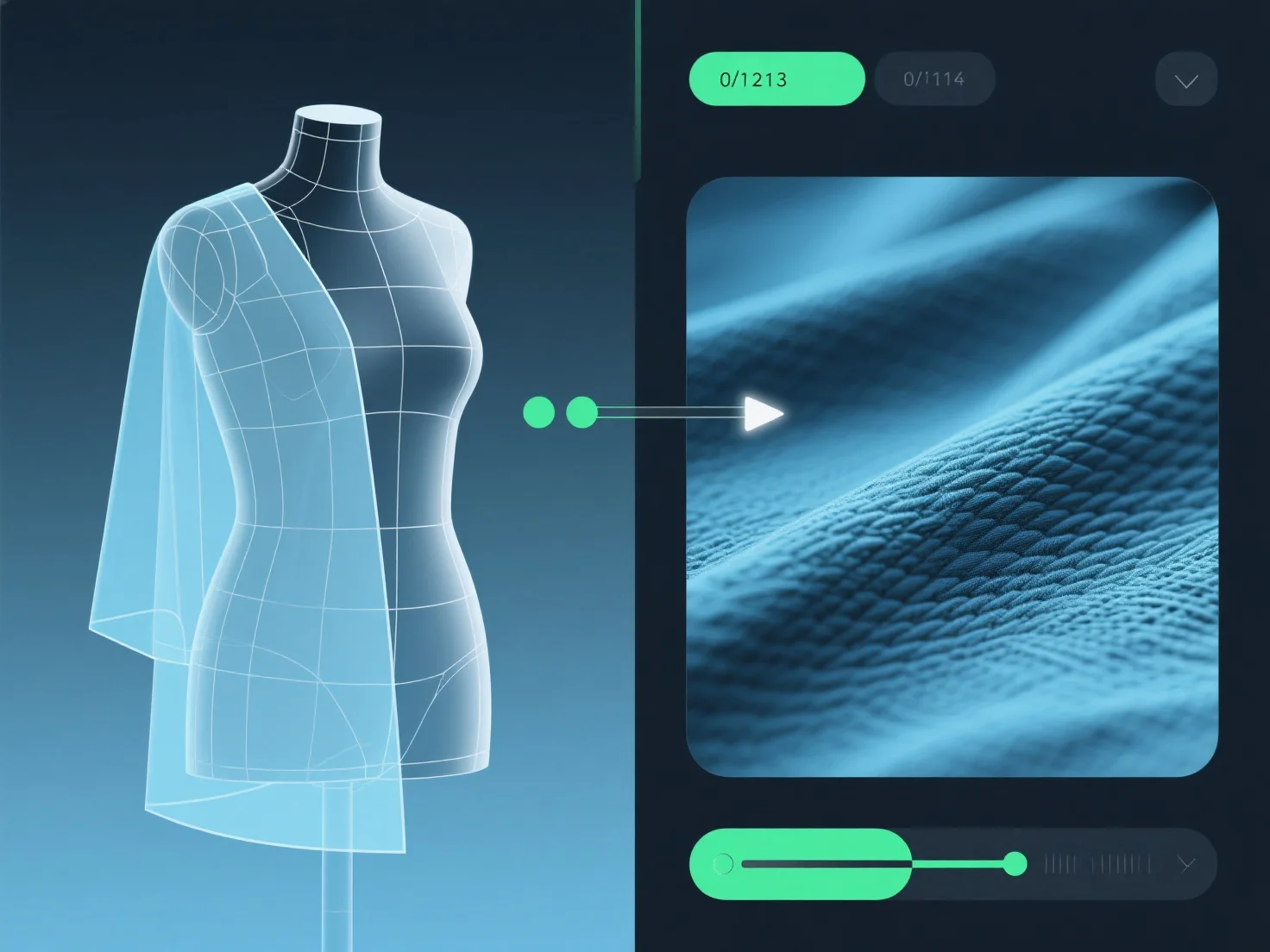
3D modeling creates realistic clothing and fabric textures by simulating physical properties and surface details, merging material behavior and visual mapping for lifelike results.

- **Simulating physical properties**: It defines key attributes like elasticity, thickness, and friction. These determine how fabrics drape, stretch, or fold over 3D forms, mimicking real-world movement (e.g., silk’s flow vs. denim’s stiffness).

- **Adding surface details via texture maps**: High-resolution maps replicate weave patterns, stitching, wrinkles, or fabric flaws. This layers visual realism, making textures appear tactile even in digital renderings.

Together, these steps ensure 3D clothing textures look and behave authentically, bridging virtual and physical fabric characteristics.

PreviousNext
产品
Web 工作室
API 平台
功能
图片转 3D
多视图转 3D
浮雕
分割
模型
通用模型
人像模型
资源
博客
常见问题
API 文档
关于我们
定价