Home/Hitem3D FAQ/How does 3D model complexity influence rendering costs in 3D design?

How does 3D model complexity influence rendering costs in 3D design?

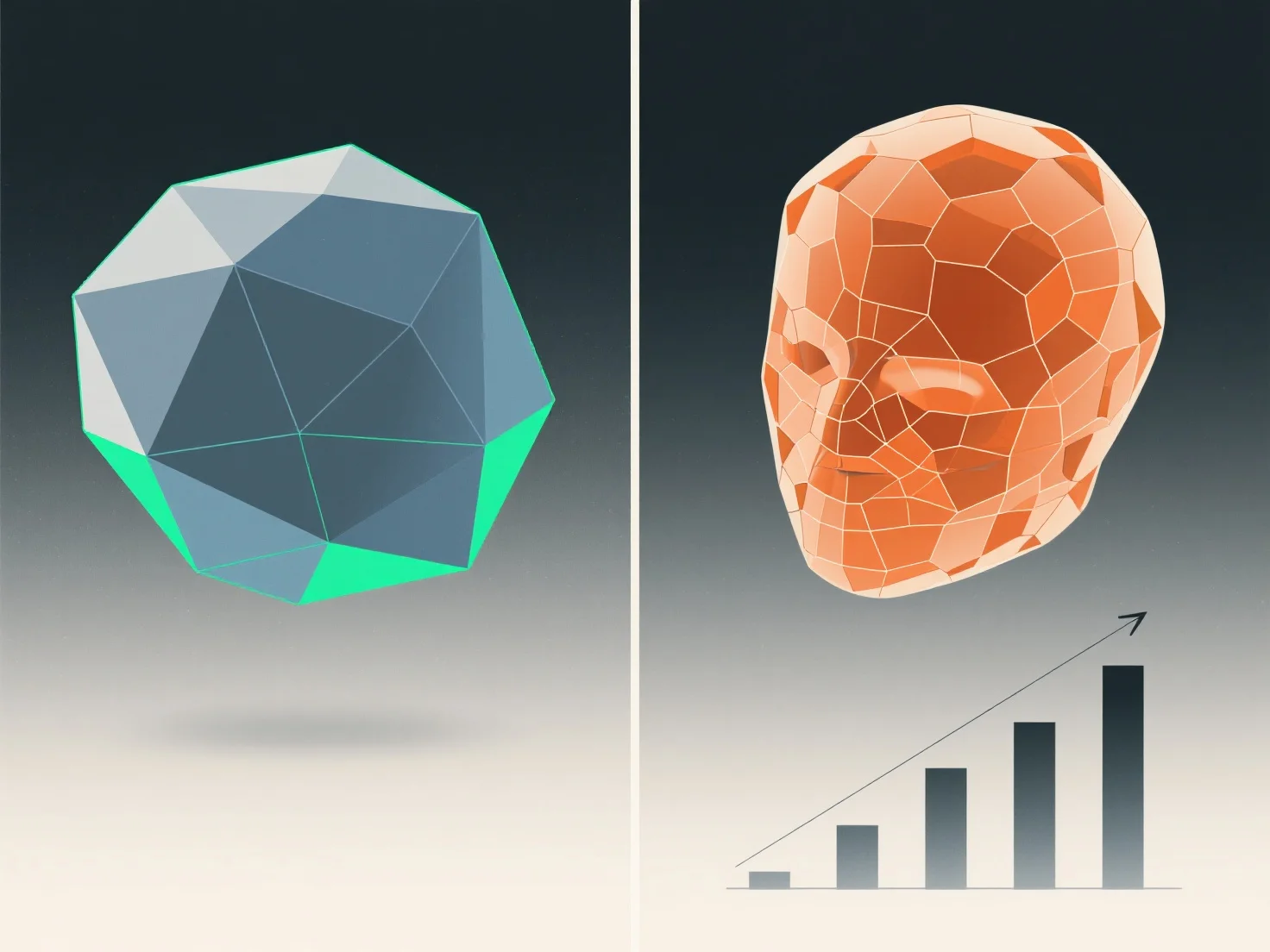
3D model complexity raises rendering costs via higher polygon count, texture detail, and lighting effects, mitigated by optimization.

How does 3D model complexity influence rendering costs in 3D design?

3D model complexity directly increases rendering costs in 3D design by elevating computational resource demands and extending render time.

Key factors linking complexity to higher costs include: - Polygon count: More polygons require greater processing power, prolonging render time and necessitating stronger hardware, thus raising expenses. - Texture detail: High-resolution or complex textures (e.g., 4K maps, PBR materials) increase data processing, leading to longer render cycles and higher energy usage. - Lighting effects: Advanced setups like ray tracing or global illumination demand intensive calculations, further driving up time and resource costs.

To mitigate costs, optimizing polygon density, using texture compression, or simplifying lighting can balance complexity and expenses without significant quality loss.

PreviousNext
产品
Web 工作室
API 平台
功能
图片转 3D
多视图转 3D
浮雕
分割
模型
通用模型
人像模型
资源
博客
常见问题
API 文档
关于我们
定价