Home/Hitem3D FAQ/How do you optimize 3D models for real-time rendering in games?

How do you optimize 3D models for real-time rendering in games?

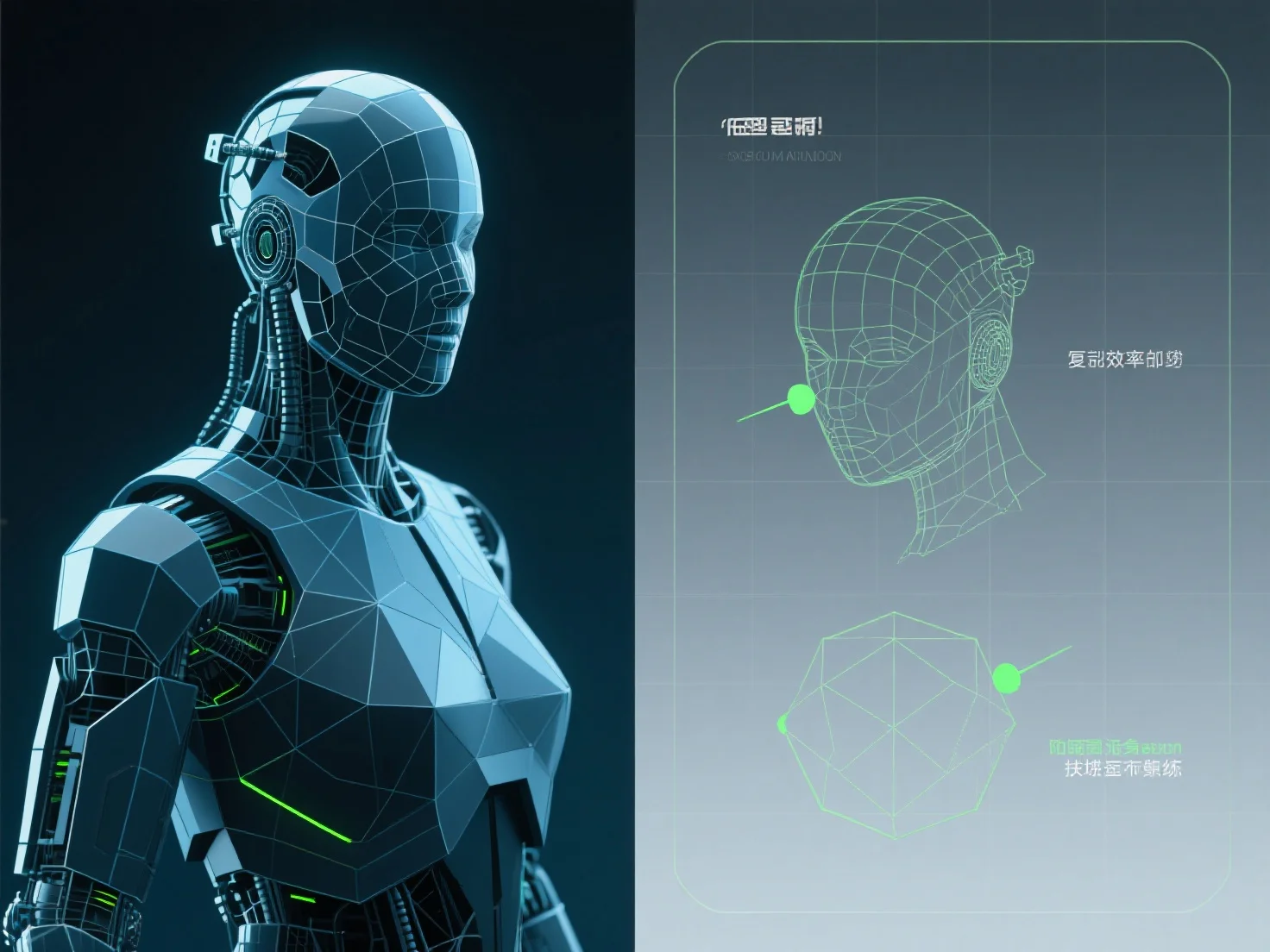
Optimizing 3D models for real-time games involves reducing polygons, compressing textures, and using LOD systems to balance quality and performance.

How do you optimize 3D models for real-time rendering in games?

Optimizing 3D models for real-time game rendering primarily involves reducing polygon count, compressing textures, and implementing Level of Detail (LOD) systems to balance visual quality and performance.

Reducing polygon count: Simplify mesh complexity by removing non-essential vertices (e.g., using decimation tools), focusing on retaining critical details for visual integrity. This lowers GPU workload.

Texture compression: Use formats like DXT, ASTC, or BCn to reduce texture file size and memory usage without significant quality loss; combine small textures into atlases to minimize draw calls.

LOD systems: Implement multiple model versions with varying detail levels. Higher-detail models render close to the camera, while lower-detail ones (fewer polygons, simpler textures) activate at distance, reducing rendering demands.

For beginners, start with automated tools for polygon reduction and texture atlasing to streamline initial optimization efforts.

PreviousNext
产品
Web 工作室
API 平台
功能
图片转 3D
多视图转 3D
浮雕
分割
模型
通用模型
人像模型
资源
博客
常见问题
API 文档
关于我们
定价