Home/Hitem3D FAQ/How do you maintain performance thresholds when working with large-scale 3D models?

How do you maintain performance thresholds when working with large-scale 3D models?

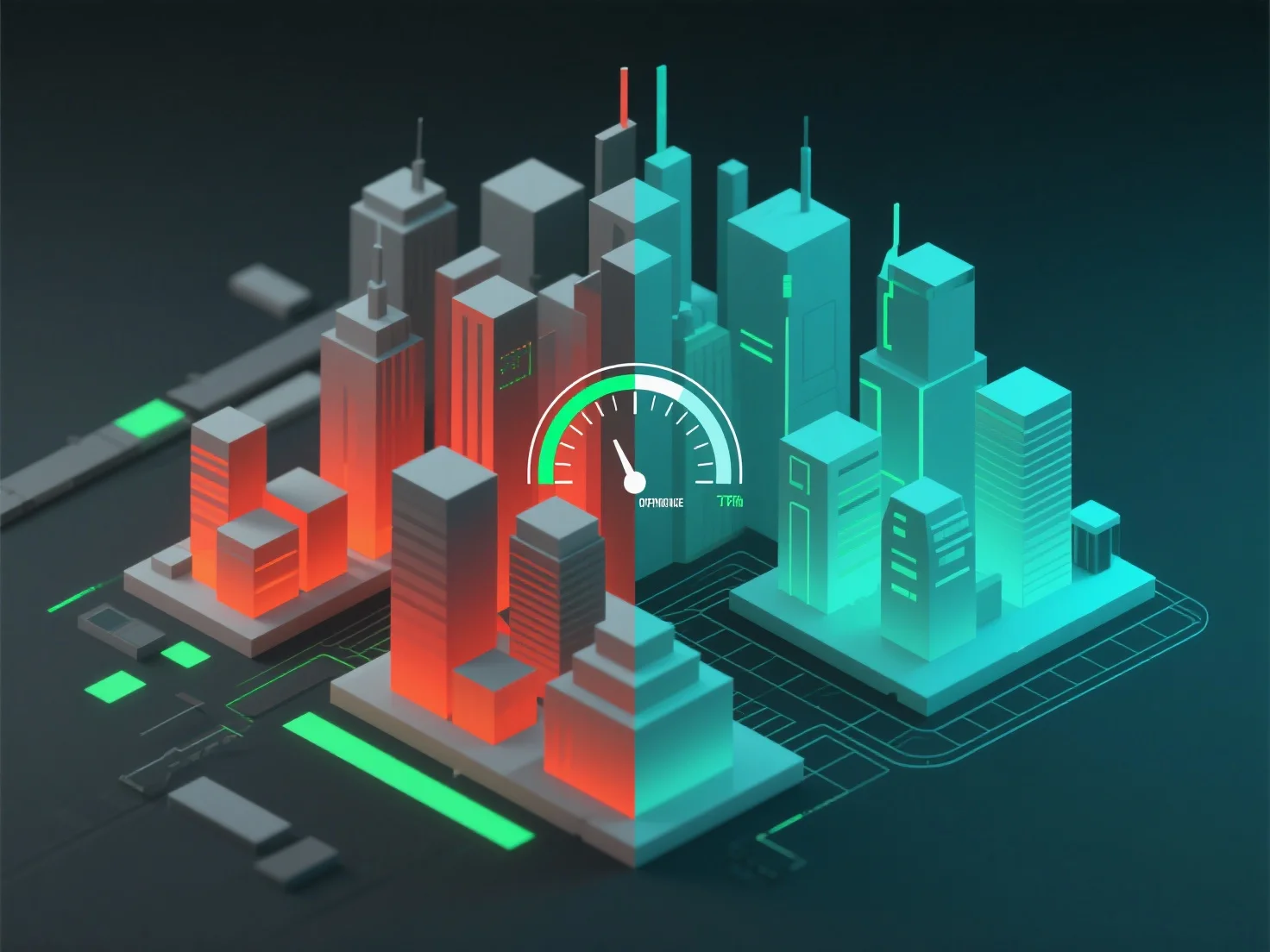
Maintaining large-scale 3D model performance involves optimizing complexity, using LOD, texture compression, and hardware acceleration, with bottleneck analysis for lag.

How do you maintain performance thresholds when working with large-scale 3D models?

Maintaining performance thresholds for large-scale 3D models primarily involves optimizing model complexity and leveraging hardware/software acceleration to balance visual quality and rendering speed.

Key strategies include: - **Polygon Reduction**: Trim non-essential geometry (e.g., hidden surfaces) to lower vertex count while preserving critical detail. - **Level-of-Detail (LOD)**: Use varying model complexities—high-detail for close views, simplified for distant ones—to reduce rendering load. - **Texture Compression**: Shrink texture sizes with formats like BCn or ASTC to minimize memory bandwidth usage. - **Hardware Acceleration**: Utilize GPU instancing, shader caching, and multi-threading to offload rendering tasks efficiently.

If performance lags, analyze polygon/texture metrics via 3D software tools, prioritizing optimizations for bottlenecks like excessive triangles or uncompressed textures.

PreviousNext
产品
Web 工作室
API 平台
功能
图片转 3D
多视图转 3D
浮雕
分割
模型
通用模型
人像模型
资源
博客
常见问题
API 文档
关于我们
定价