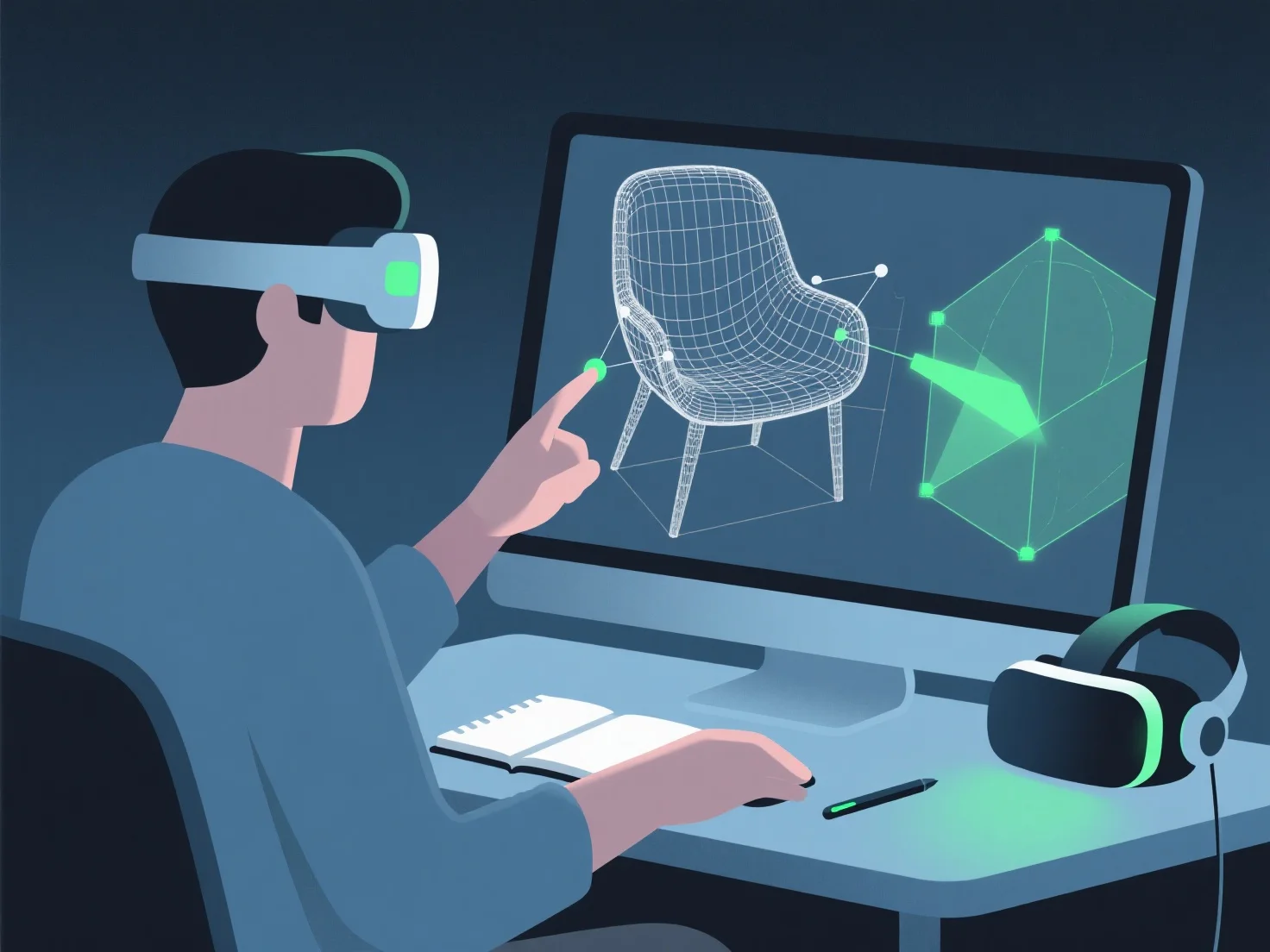
To learn 3D modeling for virtual reality (VR) applications, master foundational 3D software, prioritize VR-specific optimization, and practice integrating models into VR engines. This ensures you create assets that are visually effective and performance-friendly for immersive experiences.
- **Master core 3D tools**: Start with accessible software like Blender (free) or Maya. Focus on basic skills (shaping, texturing) and advance to techniques like retopology for clean, efficient models. - **Understand VR requirements**: Prioritize low-poly designs to avoid lag, optimize textures for VR hardware, and ensure realistic scale for user interaction (e.g., object sizes matching real-world dimensions). - **Integrate with VR engines**: Use Unity or Unreal Engine; follow tutorials on importing models, setting up collisions, and testing in VR to refine workflow and ensure compatibility.
