Home/Hitem3D FAQ/How do you combine texture mapping tools with modeling software for enhanced realism?

How do you combine texture mapping tools with modeling software for enhanced realism?

Enhancing realism combines modeling software UV unwrapping, texture tool detailing, and reimporting to apply lifelike surfaces.

How do you combine texture mapping tools with modeling software for enhanced realism?

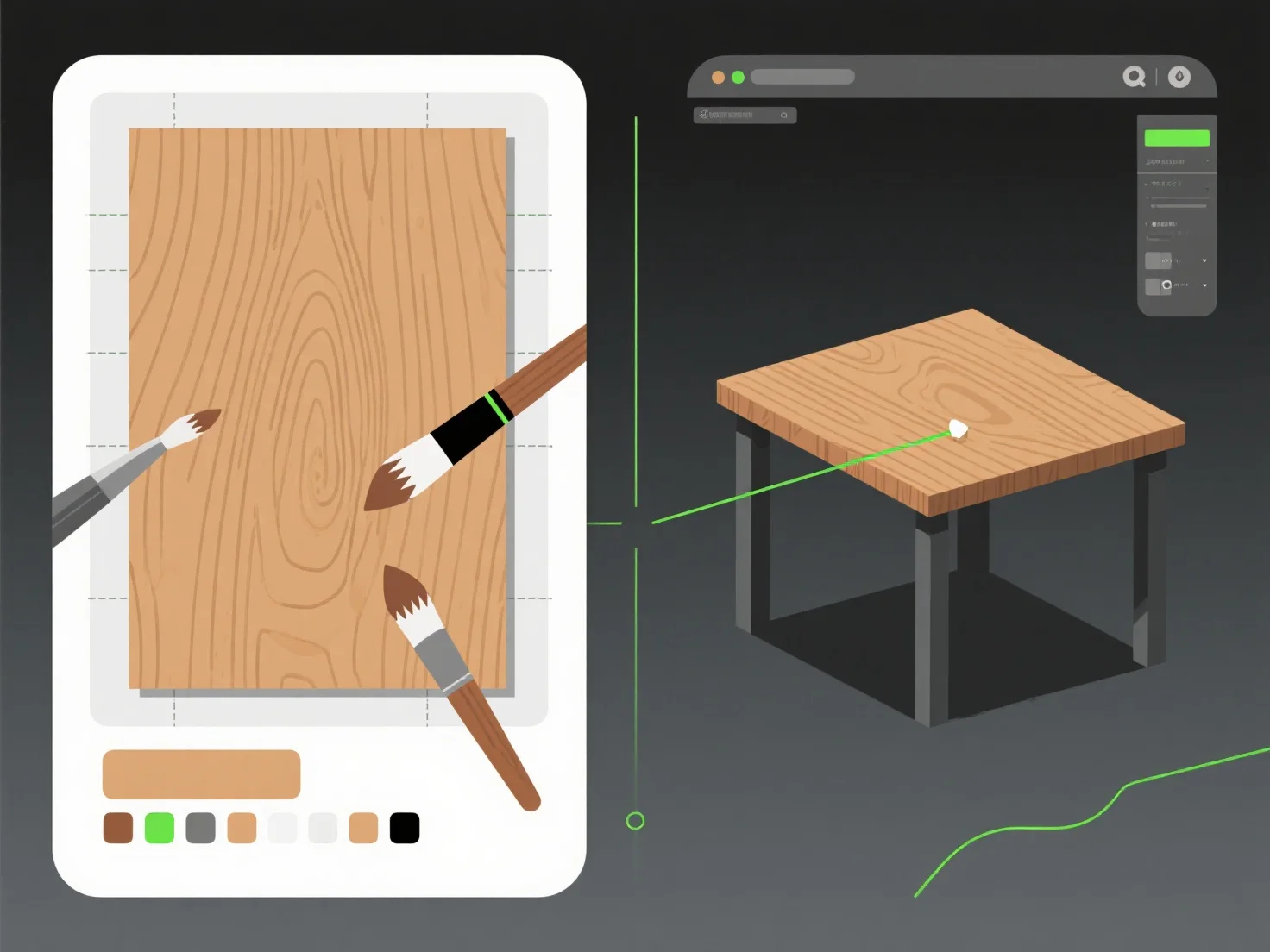
Combining texture mapping tools with modeling software for enhanced realism involves three core steps: exporting UV maps from modeling software, creating/editing textures in specialized tools, and reimporting to apply to the model—this workflow merges 3D geometry with lifelike surface details.

Modeling software (e.g., Blender, Maya) first handles UV unwrapping, which maps 3D surfaces to 2D texture coordinates, ensuring textures align without distortion.

Texture tools (e.g., Substance Painter, Photoshop) then add details like color gradients, roughness, or scratches, simulating real-world materials (e.g., weathered metal, fabric weave).

Finally, reimporting the edited textures into the modeling software applies these details, making the model visually authentic. For beginners, start with a simple object (e.g., a mug): unwrap UVs, export the layout, paint basic textures in GIMP, and reimport to observe realism improvements.

PreviousNext
产品
Web 工作室
API 平台
功能
图片转 3D
多视图转 3D
浮雕
分割
模型
通用模型
人像模型
资源
博客
常见问题
API 文档
关于我们
定价