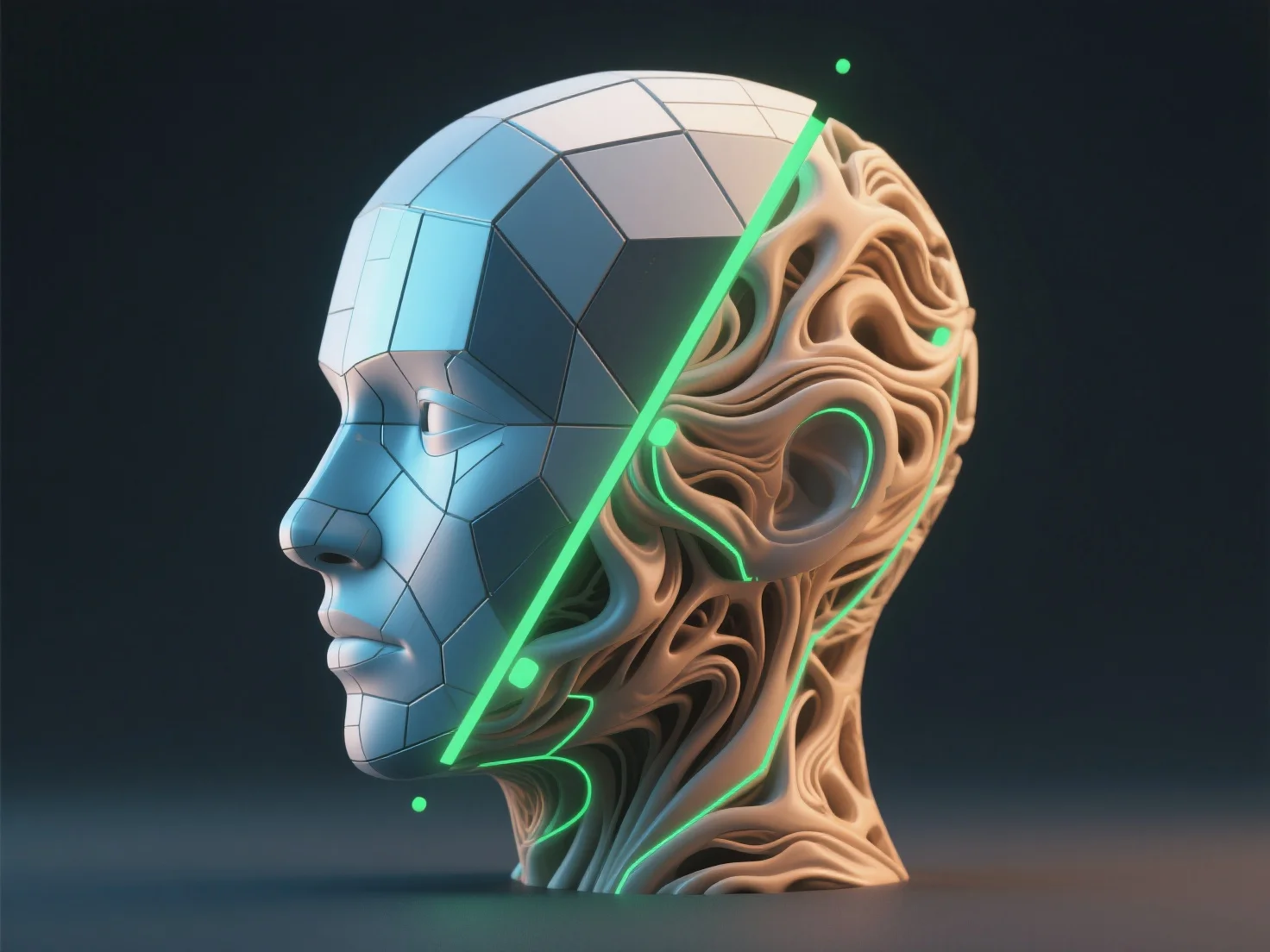
Combining procedural modeling with traditional 3D sculpting in a project typically involves using procedural tools for base structures and sculpting for detailed refinements, balancing efficiency and precision.
Procedural modeling excels at generating repetitive or algorithmic elements—such as terrain, architecture, or complex patterns—quickly, laying the project’s foundation with minimal manual input.
Traditional sculpting then adds organic, high-detail features like character faces, custom textures, or unique surface irregularities, leveraging manual control for nuanced, lifelike details.
For example, in game development, procedural tools might generate a vast landscape, and sculpting refines it with unique rock formations or vegetation details.
To streamline the workflow, first identify repetitive elements (suited for procedural methods) vs. custom details (better for sculpting) to optimize time and quality.
