首页/Hitem3D 常见问题/How do visual fidelity and performance balance in 3D quality standards?

How do visual fidelity and performance balance in 3D quality standards?

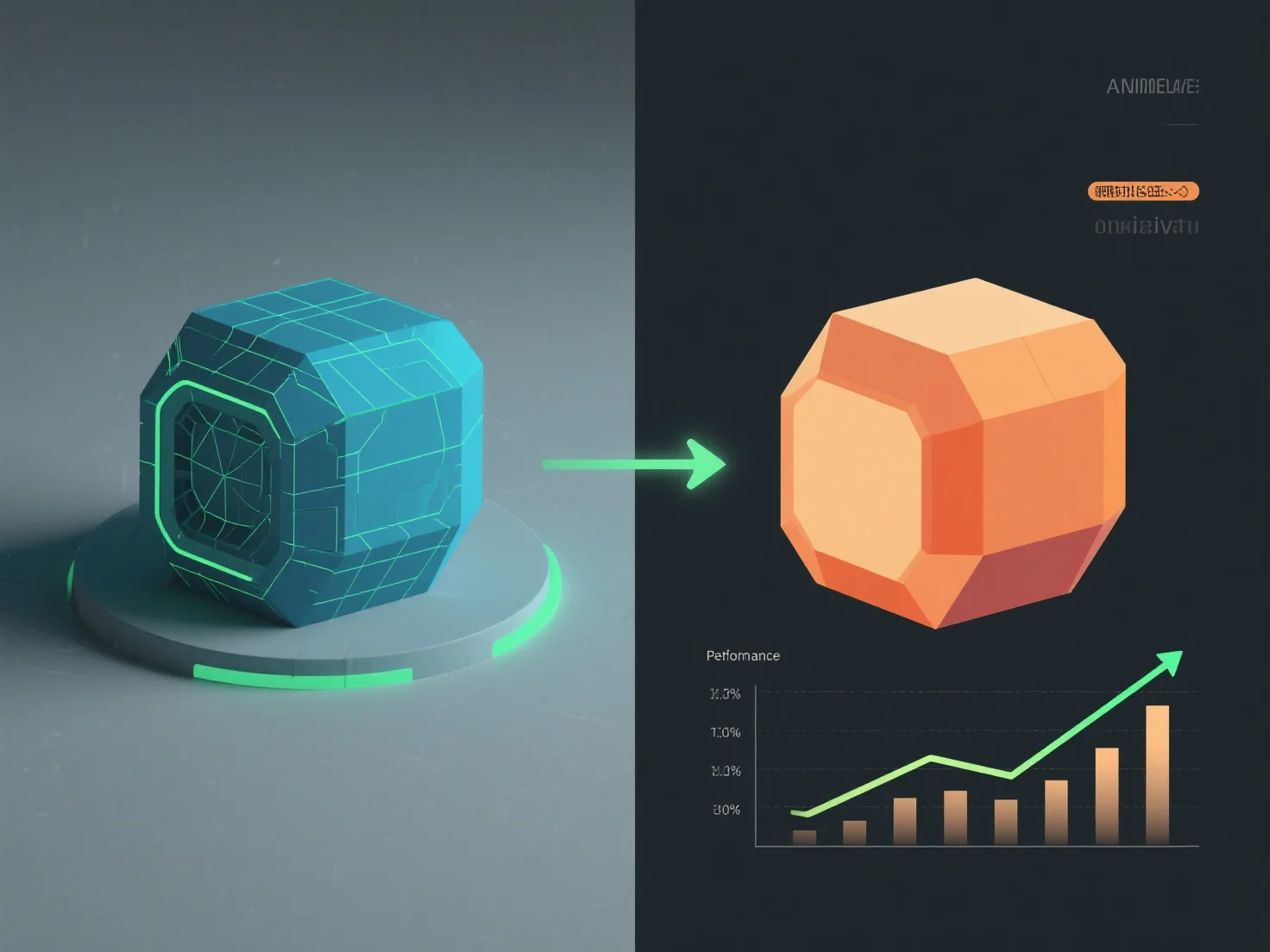
Balancing 3D visual fidelity and performance requires prioritizing key elements, using LOD, and adapting to hardware for smooth, coherent visuals.

How do visual fidelity and performance balance in 3D quality standards?

Balancing visual fidelity and performance in 3D quality standards involves prioritizing key visual elements while optimizing non-critical details based on target hardware, ensuring smooth performance without losing essential visual coherence.

- **Prioritize focal elements**: Use high-resolution textures for main objects (e.g., characters) and reduce polygon counts for backgrounds to lower GPU load. - **Leverage LOD**: Simplify distant models—distant objects use basic shapes, while close-up ones retain detailed geometry, keeping visuals sharp where users focus. - **Adapt to hardware**: For lower-end devices, start with baseline settings, adjust polygon/texture density during testing to avoid lag, ensuring stable frame rates.

This approach ensures 3D content stays visually appealing and runs smoothly, merging clarity with consistent performance across platforms.

上一页下一页
产品
Web 工作室
API 平台
功能
图片转 3D
多视图转 3D
浮雕
分割
模型
通用模型
人像模型
资源
博客
常见问题
API 文档
关于我们
定价