Home/Hitem3D FAQ/How do texture mapping standards impact 3D model consistency?

How do texture mapping standards impact 3D model consistency?

Texture mapping standards enhance 3D model consistency via uniform texture data rules, reducing discrepancies and streamlining collaboration.

How do texture mapping standards impact 3D model consistency?

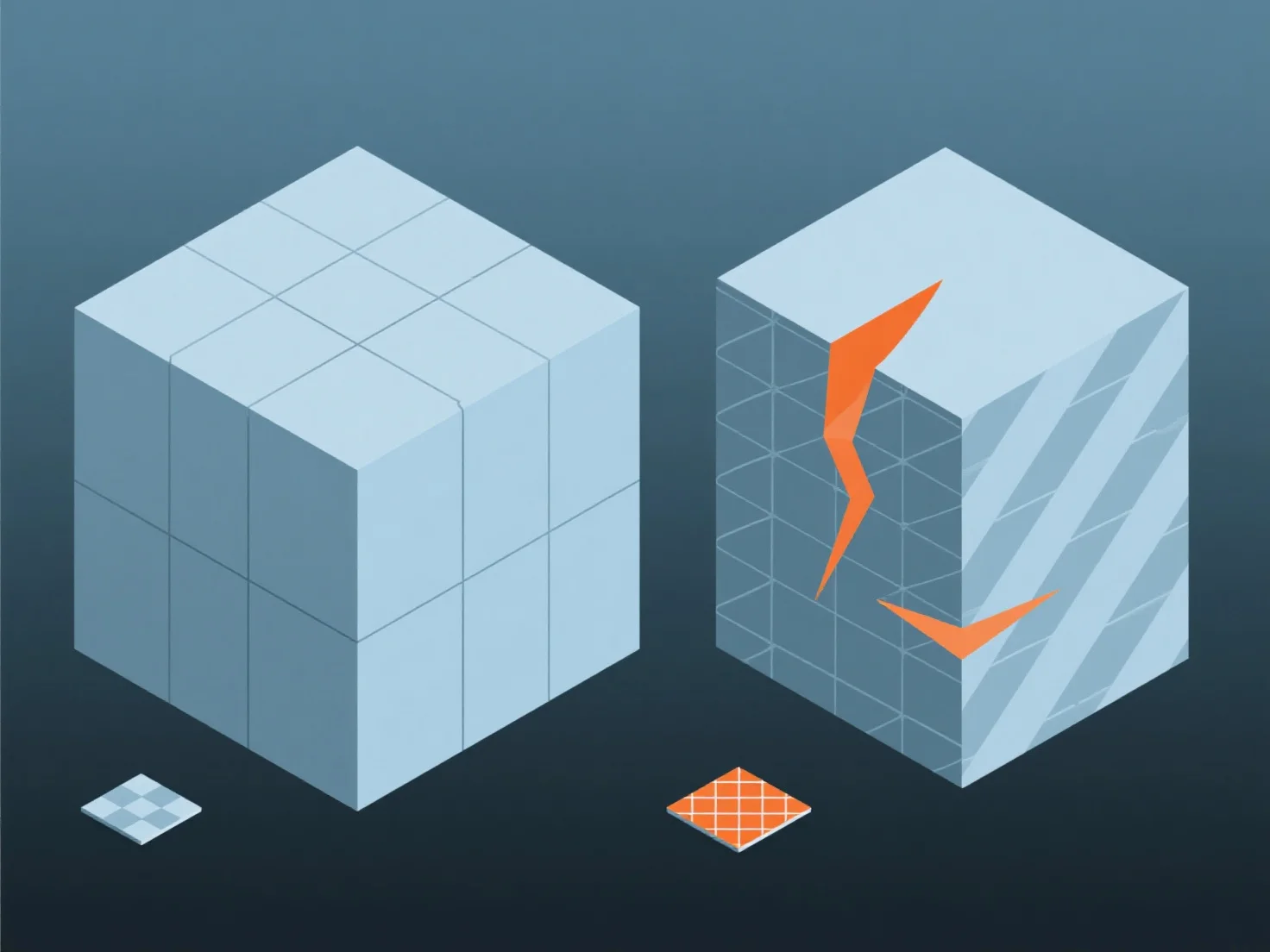
Texture mapping standards directly enhance 3D model consistency by establishing uniform rules for texture data handling across tools, teams, and platforms.

Key impacts include: - Standardizing texture coordinates (UV mapping), preventing stretching or misalignment when models are transferred between software. - Defining file formats (e.g., PNG, JPEG) and resolution guidelines, ensuring textures display consistently in different rendering engines. - Aligning rendering parameters (e.g., PBR metallic/roughness values), maintaining color and material appearance across projects.

By enforcing these rules, standards reduce visual discrepancies, streamline collaboration (e.g., in game development or VFX), and ensure models retain their intended look across workflows.

PreviousNext
产品
Web 工作室
API 平台
功能
图片转 3D
多视图转 3D
浮雕
分割
模型
通用模型
人像模型
资源
博客
常见问题
API 文档
关于我们
定价