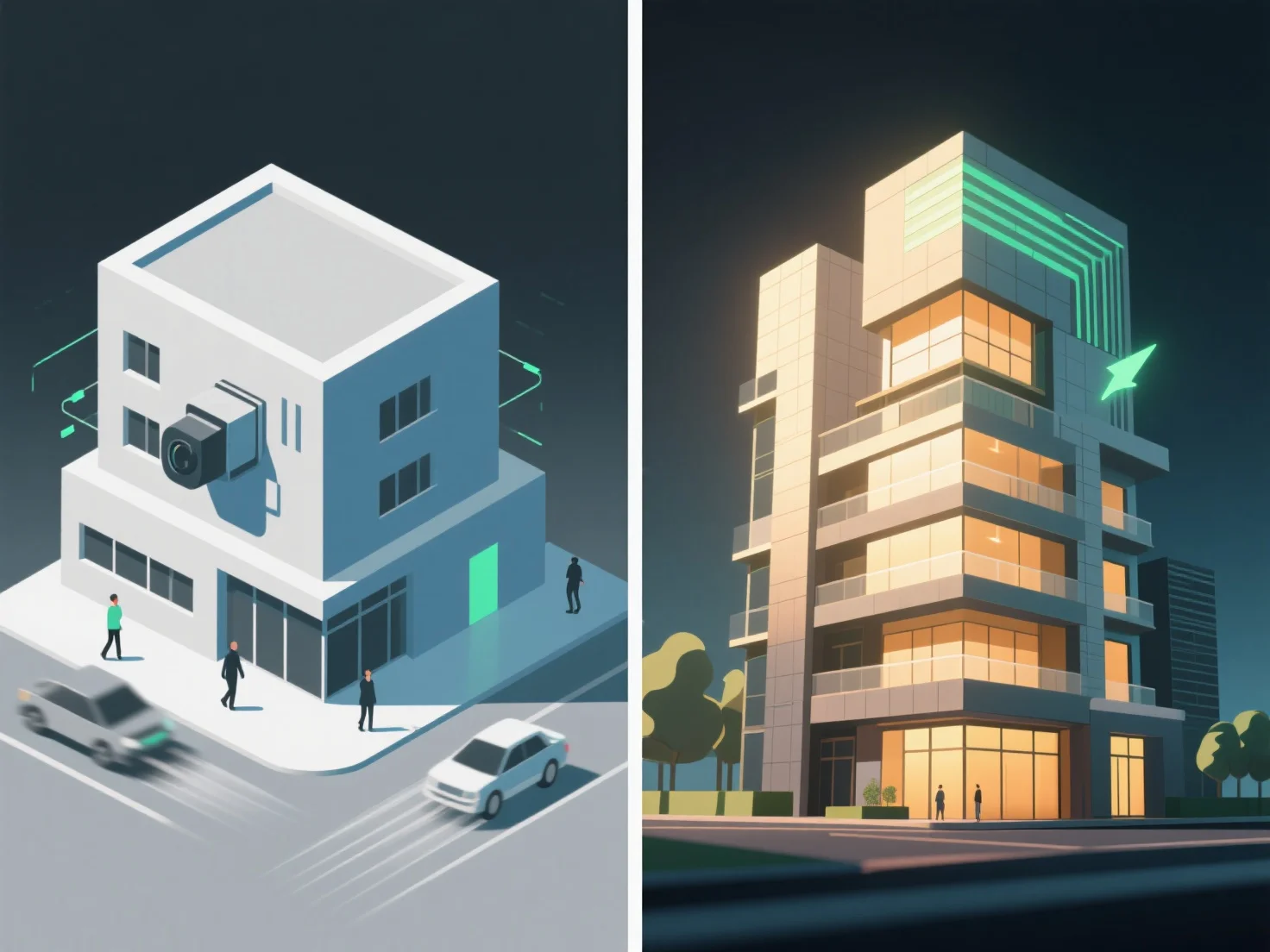
Real-time 3D engines and offline renderers differ in speed, interactivity, and visual quality for presentations. Real-time engines prioritize instant rendering and interactive control, making them ideal for dynamic, live presentations requiring audience engagement or on-the-fly adjustments. Offline renderers, by contrast, focus on high-quality, photorealistic visuals but need pre-rendering time, suited for static or pre-recorded presentations where visual detail is key.
Key use cases: - Interactive presentations (e.g., product demos, virtual tours): Real-time engines enable live navigation, parameter tweaks, and audience-driven exploration. - Static high-fidelity content (e.g., architectural renderings, marketing visuals): Offline renderers deliver detailed textures, lighting, and shadows for polished, lifelike results.
For real-time interaction, use a real-time 3D engine; for static, visually stunning content, an offline renderer is preferable.
