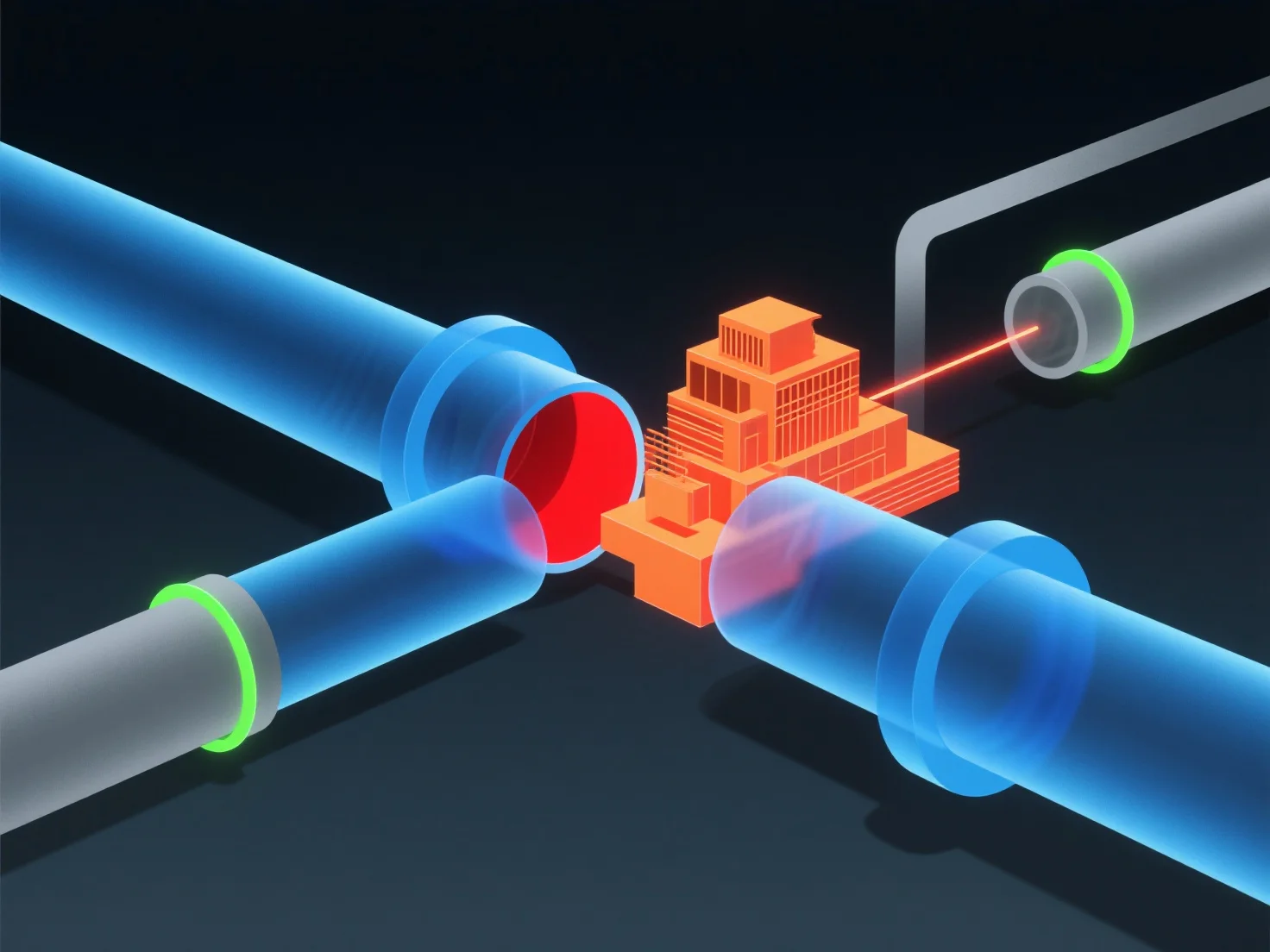
Performance bottlenecks threaten real-time 3D systems by causing critical issues like delayed rendering, frame drops, or unresponsive user interactions, breaking the system’s core requirement of smooth, low-latency visual output.
Key threats include: - **Degraded User Experience**: Frequent frame drops or lag disrupt immersion, making interactions jittery (e.g., choppy animations in games or delayed AR responses). - **System Instability**: Overloaded hardware/software may crash under high loads (e.g., complex scenes with many polygons or dynamic lighting). - **Functional Limitations**: Bottlenecks restrict handling advanced features (e.g., high-res textures, real-time physics), limiting practical use cases.
These issues collectively undermine the reliability and effectiveness of real-time 3D systems across gaming, simulation, and professional visualization.
