Home/Hitem3D FAQ/How do joints and constraints in rigging affect model behavior?

How do joints and constraints in rigging affect model behavior?

Joints as pivot points and constraints guiding movement together enable controlled, realistic 3D model animation with structural stability.

How do joints and constraints in rigging affect model behavior?

Joints and constraints in rigging directly determine a 3D model’s movement behavior and structural stability during animation.

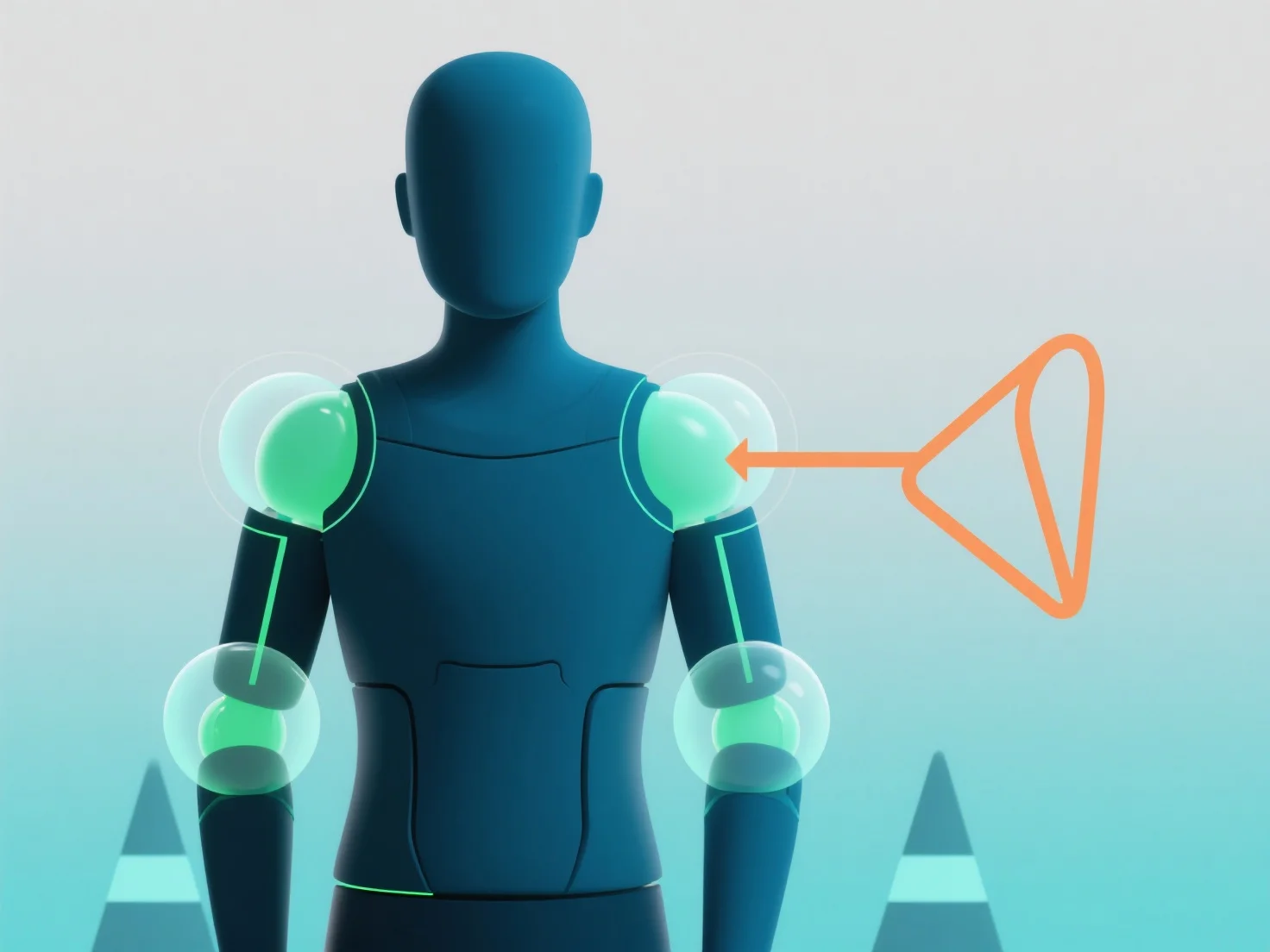
Joints act as pivot points, enabling core motions like rotation (e.g., elbows) or bending (e.g., knees), forming the model’s "skeleton" to define basic movement ranges.

Constraints, such as IK (Inverse Kinematics), limit, or parent-child constraints, restrict or guide movement—IK keeps limbs aligned when reaching, limit constraints prevent over-rotation, and parent-child links ensure hierarchical motion (e.g., a hand moving with an arm).

Together, they ensure the model moves in a controlled, realistic way, avoiding disjointed or unnatural poses and maintaining structural integrity.

PreviousNext
产品
Web 工作室
API 平台
功能
图片转 3D
多视图转 3D
浮雕
分割
模型
通用模型
人像模型
资源
博客
常见问题
API 文档
关于我们
定价