Home/Hitem3D FAQ/How do integration requirements differ across industries using 3D?

How do integration requirements differ across industries using 3D?

3D model integration requirements vary by industry, focusing on specific tools and needs like CAD, medical imaging, or BIM.

How do integration requirements differ across industries using 3D?

Integration requirements for 3D models differ across industries based on their unique use cases and technical ecosystems, with each sector prioritizing distinct needs like data precision, real-time performance, or workflow compatibility.

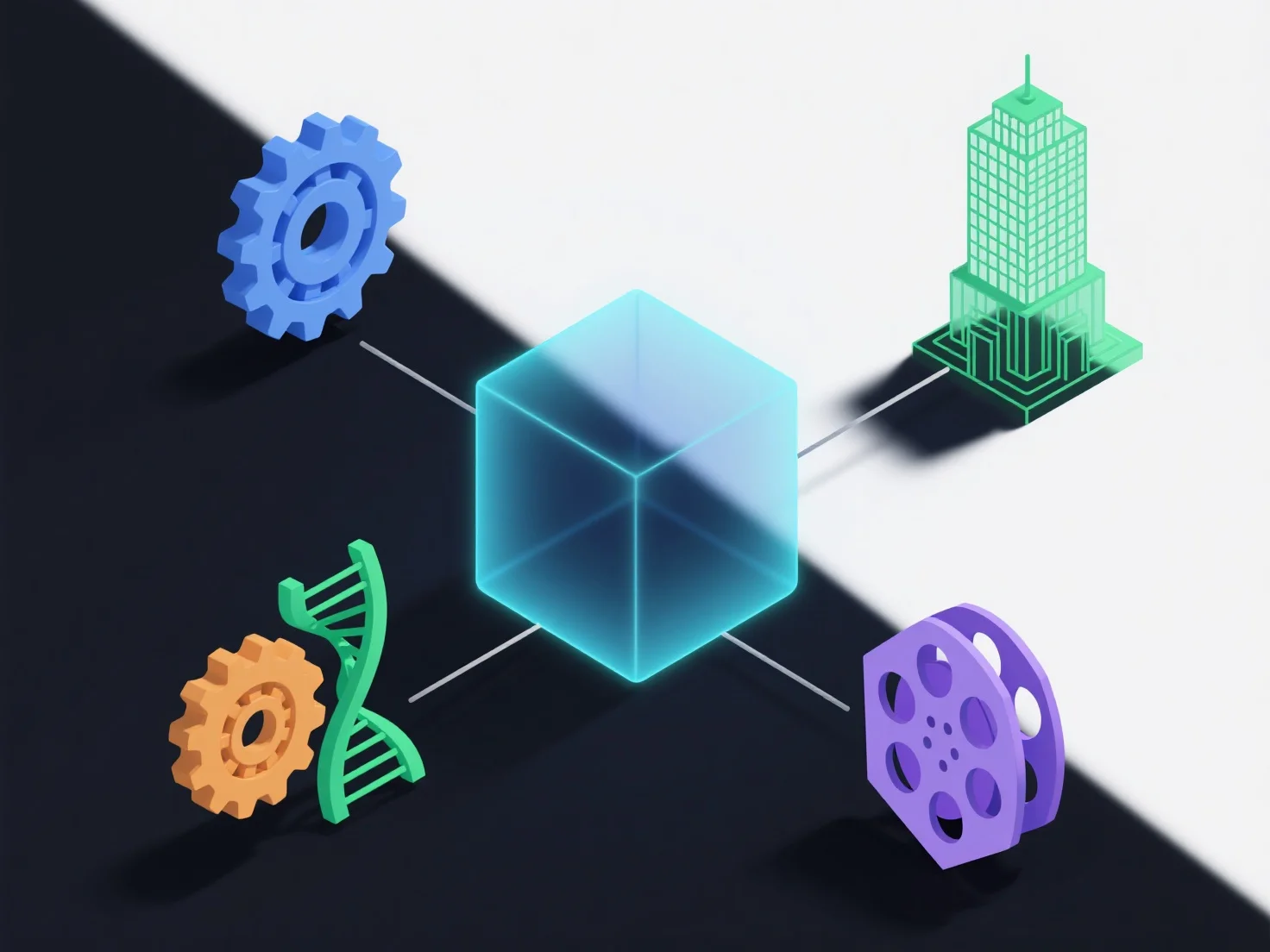
Key industry-specific integration focuses include: - Manufacturing: Integrates tightly with CAD/CAM software, PLM systems, and IoT data to align design accuracy with production processes. - Healthcare: Connects with medical imaging tools (e.g., MRI, CT) and EHR systems for precise anatomical modeling and patient care. - Gaming/Entertainment: Links to real-time rendering engines (e.g., Unity, Unreal) and animation software for high-fidelity visuals and interactivity. - Architecture/Construction: Relies on BIM platforms and project management tools to align 3D models with structural data and construction timelines.

To plan 3D integration, industries should first identify core workflow tools to prioritize compatible 3D solutions.

PreviousNext
产品
Web 工作室
API 平台
功能
图片转 3D
多视图转 3D
浮雕
分割
模型
通用模型
人像模型
资源
博客
常见问题
API 文档
关于我们
定价