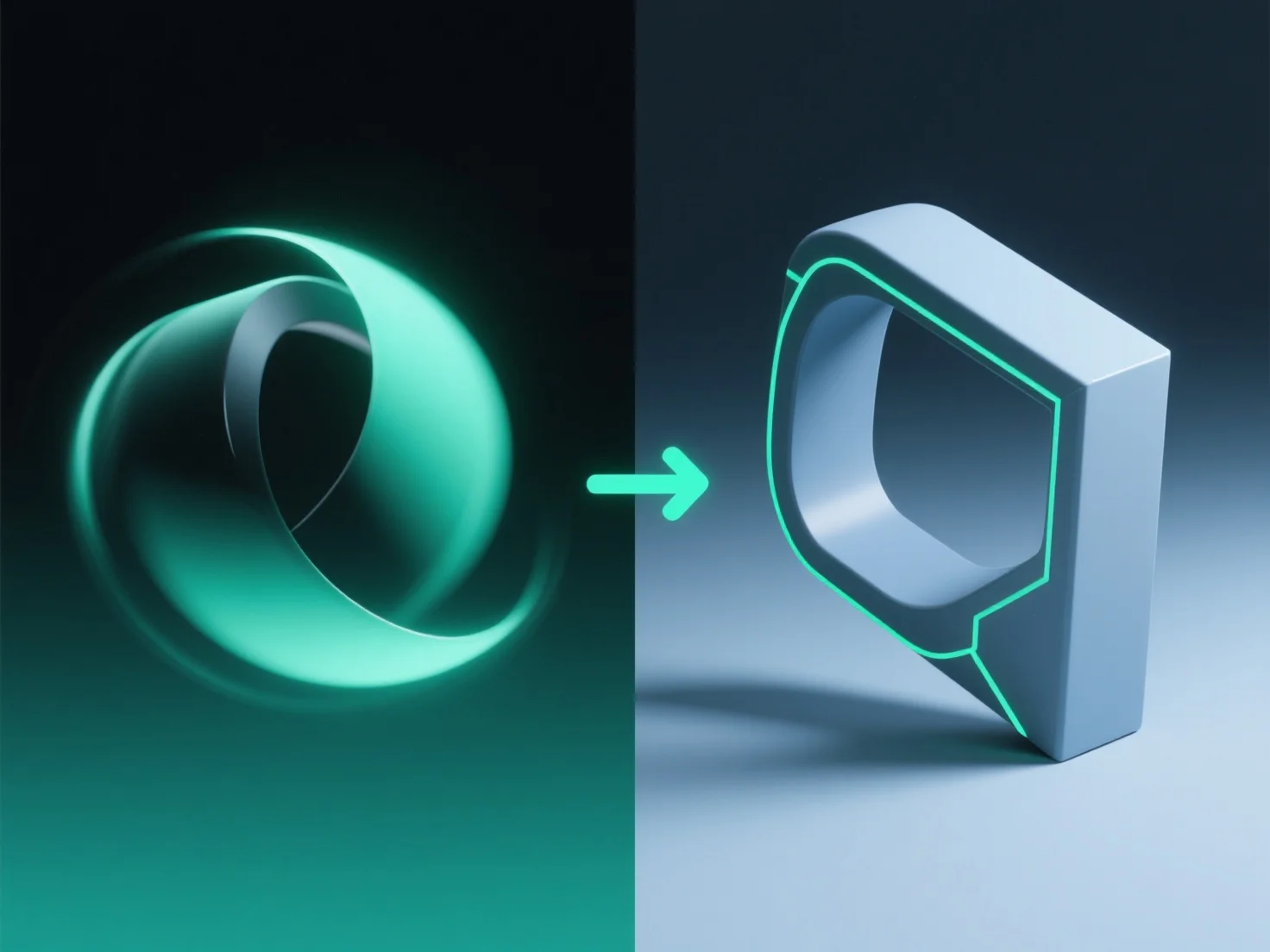
3D animations and still 3D renders differ in communication effectiveness: animations are superior for dynamic processes, while still renders excel at static detail highlighting.
3D animations convey movement, timing, and cause-effect relationships, making them ideal for showing sequential actions (e.g., product assembly, mechanical operation) or temporal changes, as they clarify how things evolve over time.
Still 3D renders focus on static composition, color, and texture, emphasizing visual aesthetics or specific design details (e.g., surface finish, material quality), offering a clear, focused view for static visual impact.
In short, use 3D animations for dynamic processes and still renders for static details to maximize communication effectiveness.
