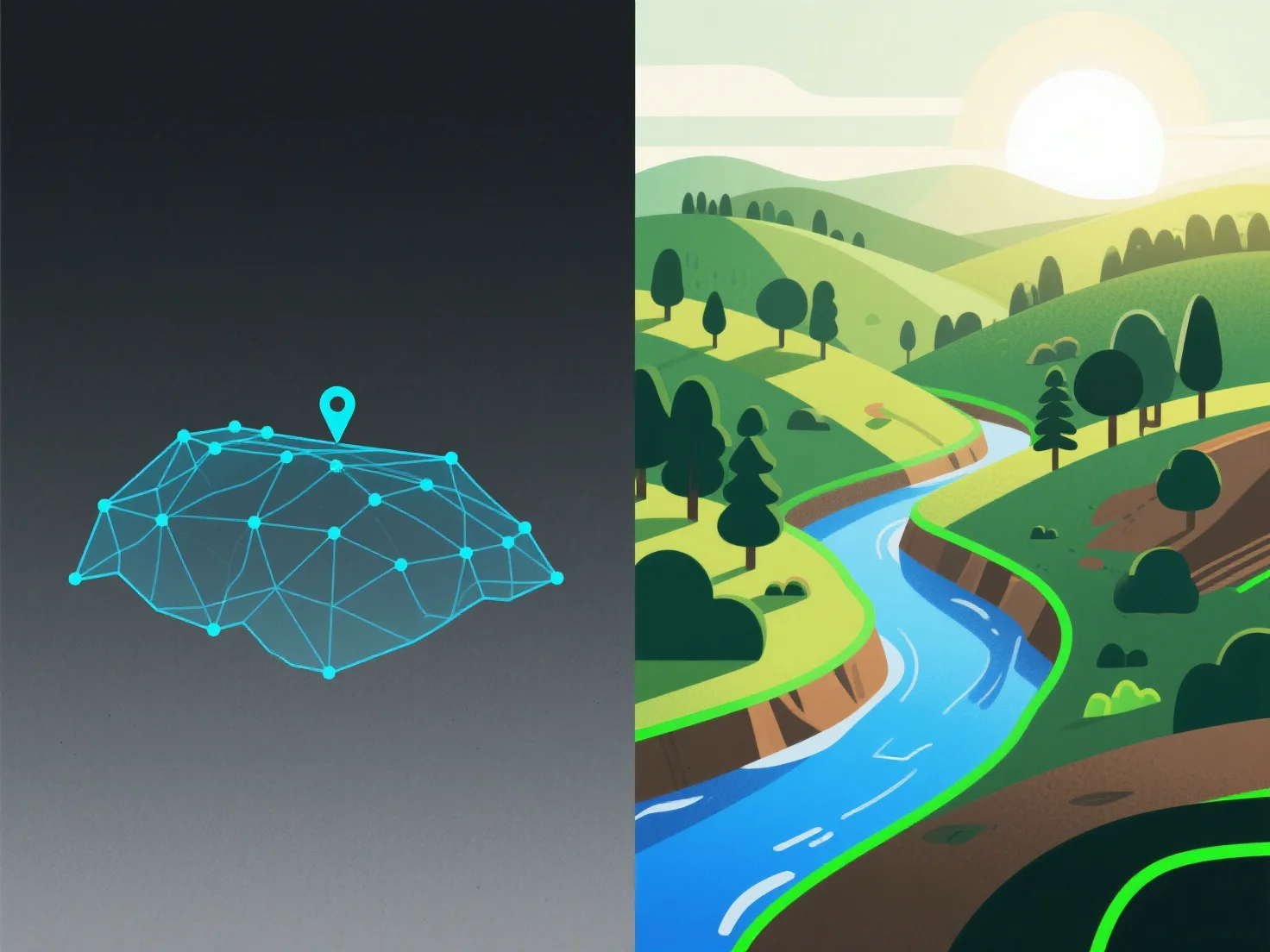
To learn 3D environment and landscape modeling, start with foundational software and terrain tools, then practice core techniques and gradually build complexity.
First, master key software: Use beginner-friendly tools like Blender (free, versatile) or World Machine (terrain-focused). Familiarize with their interfaces and basic functions to lay the groundwork.
Next, learn core terrain creation: Generate heightmaps (via procedural tools or sculpting) to shape hills, valleys, or mountains. Add natural elements—trees, rocks, or water—using asset libraries or custom modeling.
Then, practice with simple scenes: Start with small-scale projects (e.g., a hillside with grass or a desert dune) to refine texture mapping (e.g., dirt, grass) and scale (ensuring elements like trees look natural).
Finally, progress gradually: Follow tutorials on basic terrain generation first, then tackle complex ecosystems (forests, coastal areas) to build proficiency.
