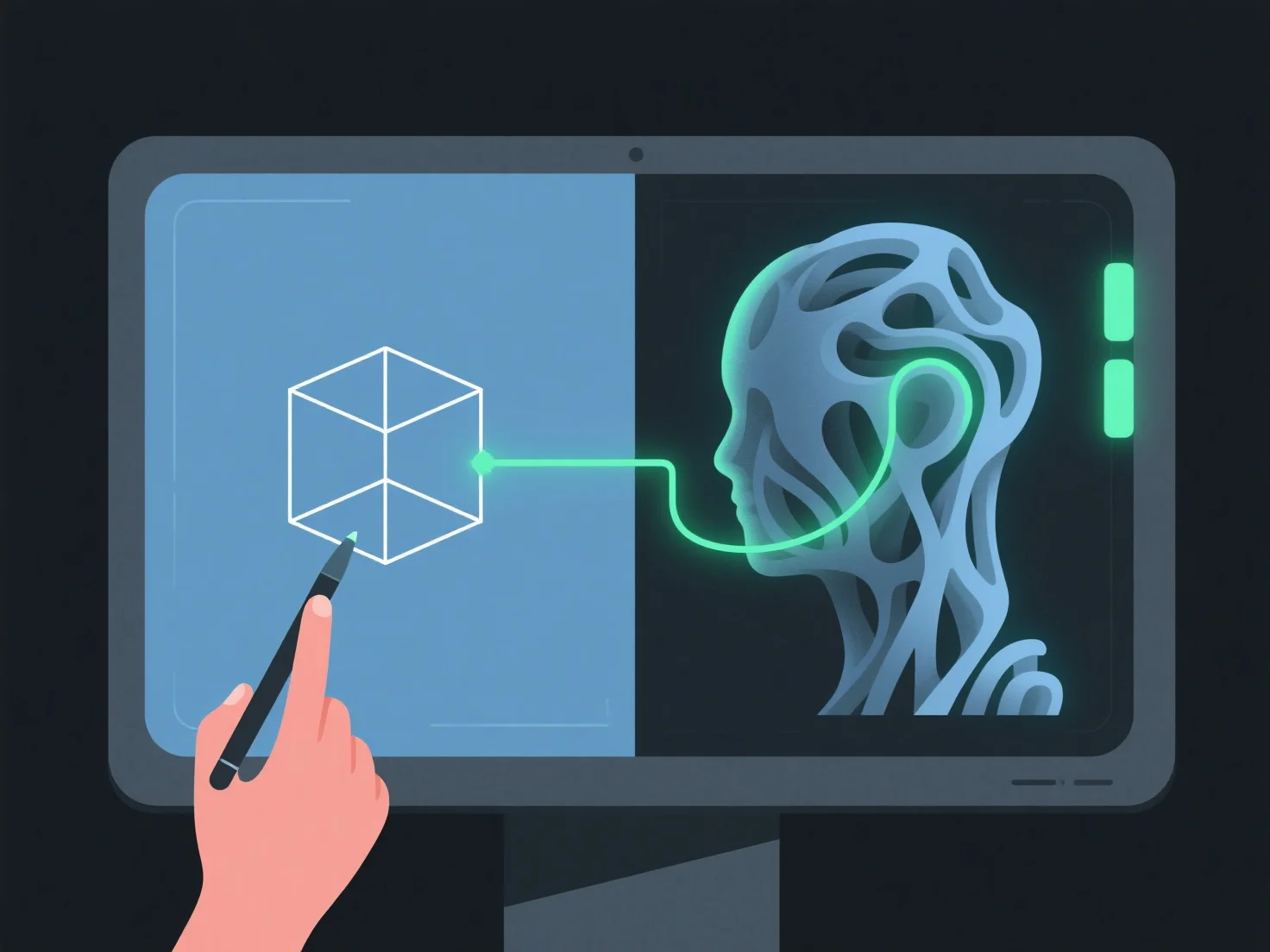
To improve 3D modeling skills through practice, focus on structured, intentional learning and consistent application of core techniques—this builds both technical proficiency and creative problem-solving.
Master foundational skills first: Prioritize polygon topology (clean edge flow), UV unwrapping (minimizing distortion), and basic material/texture use, as these form the backbone of quality models.
Practice progressive complexity: Start with simple objects (e.g., mugs, bookshelves) to nail basics, then advance to detailed items (characters, environments) to avoid overwhelm and build confidence.
Use reference images: Study real-world objects or professional models to replicate proportions, details, and lighting, bridging imagination and technical execution.
Seek feedback: Share work on forums or with peers to identify weaknesses (e.g., messy topology, unrealistic textures); constructive critiques accelerate growth.
Consistent, targeted practice—blending fundamentals, gradual challenges, and feedback—steadily improves 3D modeling skills.
