Home/Hitem3D FAQ/How are lighting and shadows handled in different 3D file formats?

How are lighting and shadows handled in different 3D file formats?

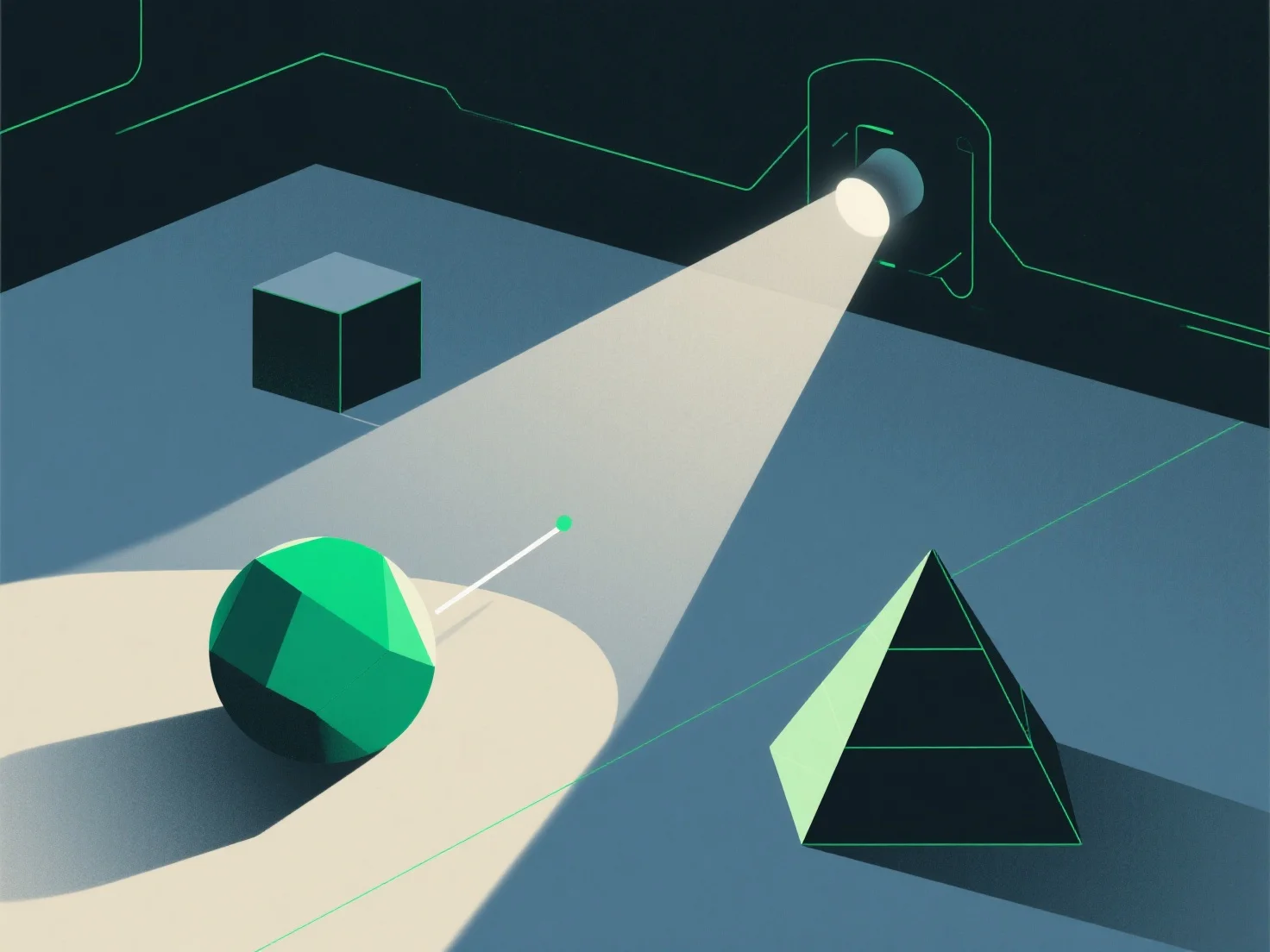
3D file formats differ in handling lighting/shadows based on focus: geometry-focused ones lack such data, scene-comprehensive ones store basic lighting but compute shadows dynamically.

How are lighting and shadows handled in different 3D file formats?

Different 3D file formats handle lighting and shadows differently, primarily based on their focus—whether on geometry storage or full scene composition.

Geometry-focused formats (e.g., OBJ, STL) mainly store 3D models and do not include lighting or shadow data. These must be configured separately in rendering software.

Scene-comprehensive formats (e.g., FBX, USD) support broader scene elements, so they can store basic lighting information, such as light positions and types. However, shadow details are typically computed dynamically during rendering using the stored light parameters.

To ensure compatibility, check a format’s scene data support to align with your rendering pipeline’s lighting and shadow needs.

PreviousNext
产品
Web 工作室
API 平台
功能
图片转 3D
多视图转 3D
浮雕
分割
模型
通用模型
人像模型
资源
博客
常见问题
API 文档
关于我们
定价