Home/Hitem3D FAQ/How are errors in a 3D model identified and corrected during the process?

How are errors in a 3D model identified and corrected during the process?

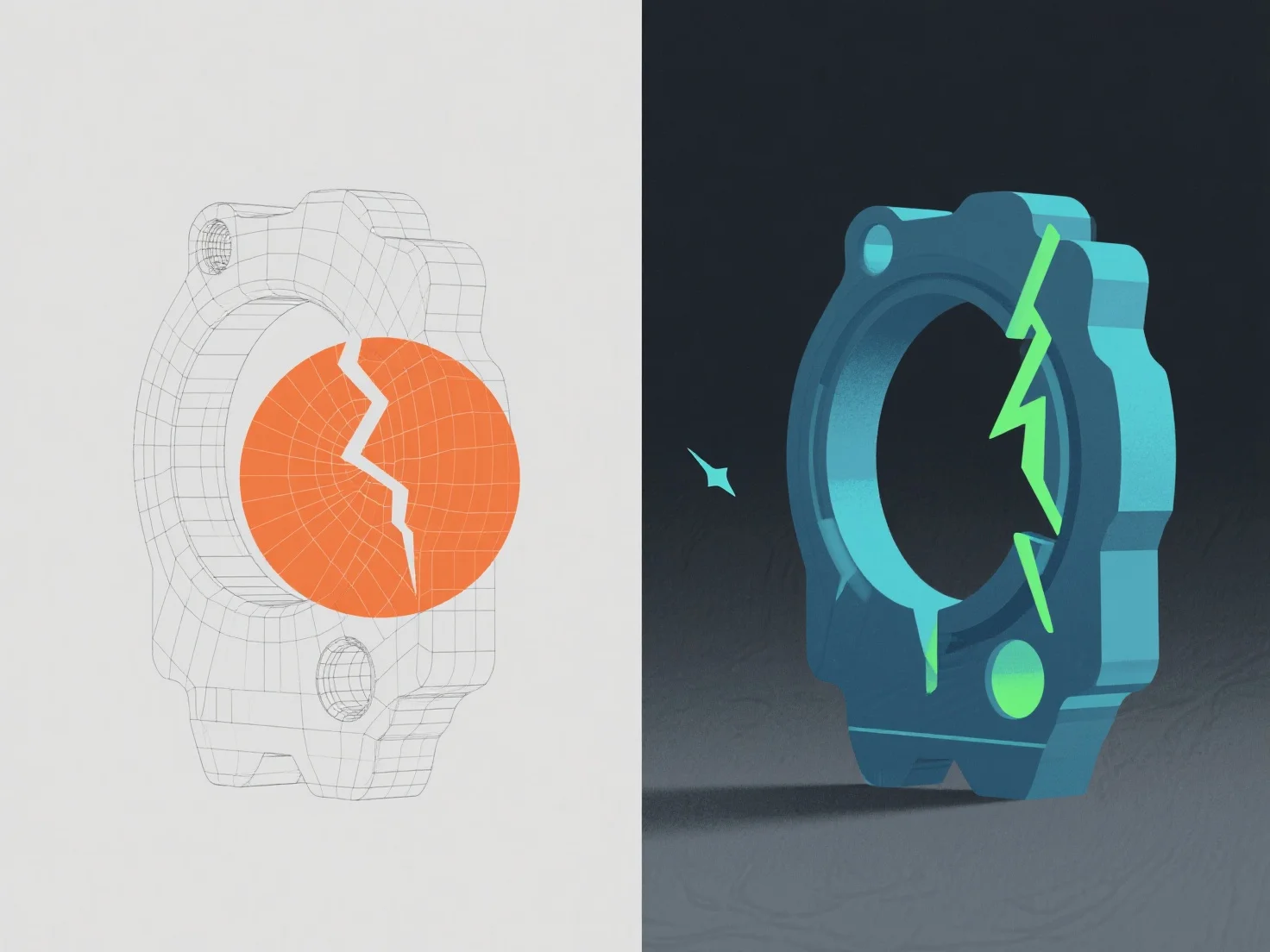
3D model errors are identified via software and manual checks, corrected by adjusting geometry, topology, or textures to meet standards.

How are errors in a 3D model identified and corrected during the process?

Errors in a 3D model are identified through software validation tools and manual inspection, then corrected by adjusting geometry, topology, or texture data.

Common issues include non-manifold edges (flagged by tools like Blender’s Mesh Analysis, fixed by merging or deleting excess vertices), flipped normals (detected via shading gaps, corrected by recalculating normals), and texture stretching (spotted in UV unwrapping tools, adjusted by refining UV maps).

Automated checks in Maya or ZBrush first catch basic errors, while manual review ensures visual/technical consistency, ensuring the model meets project standards like mesh integrity and rendering readiness.

PreviousNext
产品
Web 工作室
API 平台
功能
图片转 3D
多视图转 3D
浮雕
分割
模型
通用模型
人像模型
资源
博客
常见问题
API 文档
关于我们
定价