Home/Hitem3D FAQ/How are environmental assets like trees and rocks composed in 3D modeling?

How are environmental assets like trees and rocks composed in 3D modeling?

3D environmental assets combine basic geometry, textures, and techniques to balance efficiency and realism.

How are environmental assets like trees and rocks composed in 3D modeling?

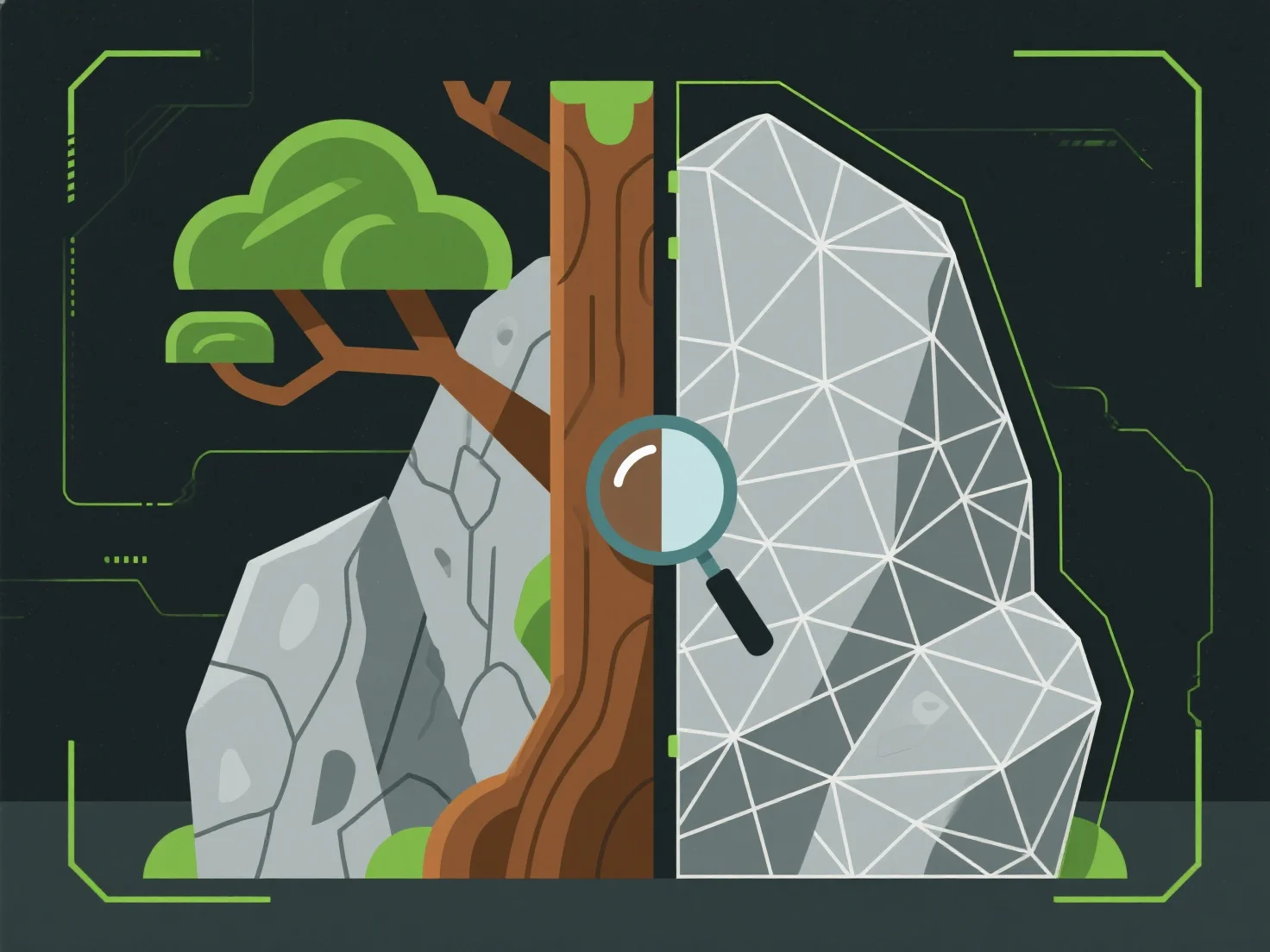
In 3D modeling, environmental assets like trees and rocks are composed by combining basic geometric foundations with texture, detail, and specialized techniques to achieve realism.

They begin with a simplified base mesh (often low-poly) to define the core shape—e.g., a cylinder for a tree trunk or a rough polygon for a rock.

Next, high-resolution textures are applied: bark patterns for trees, stone grain for rocks, using tools like PBR (Physically Based Rendering) to mimic real-world materials.

For trees, leaf clusters or branches may be added via particle systems or instanced geometry; rocks often use displacement maps to simulate cracks or bumps.

This layered approach balances efficiency and realism, making it accessible for beginners to start with basic shapes and free texture libraries.

PreviousNext
产品
Web 工作室
API 平台
功能
图片转 3D
多视图转 3D
浮雕
分割
模型
通用模型
人像模型
资源
博客
常见问题
API 文档
关于我们
定价