


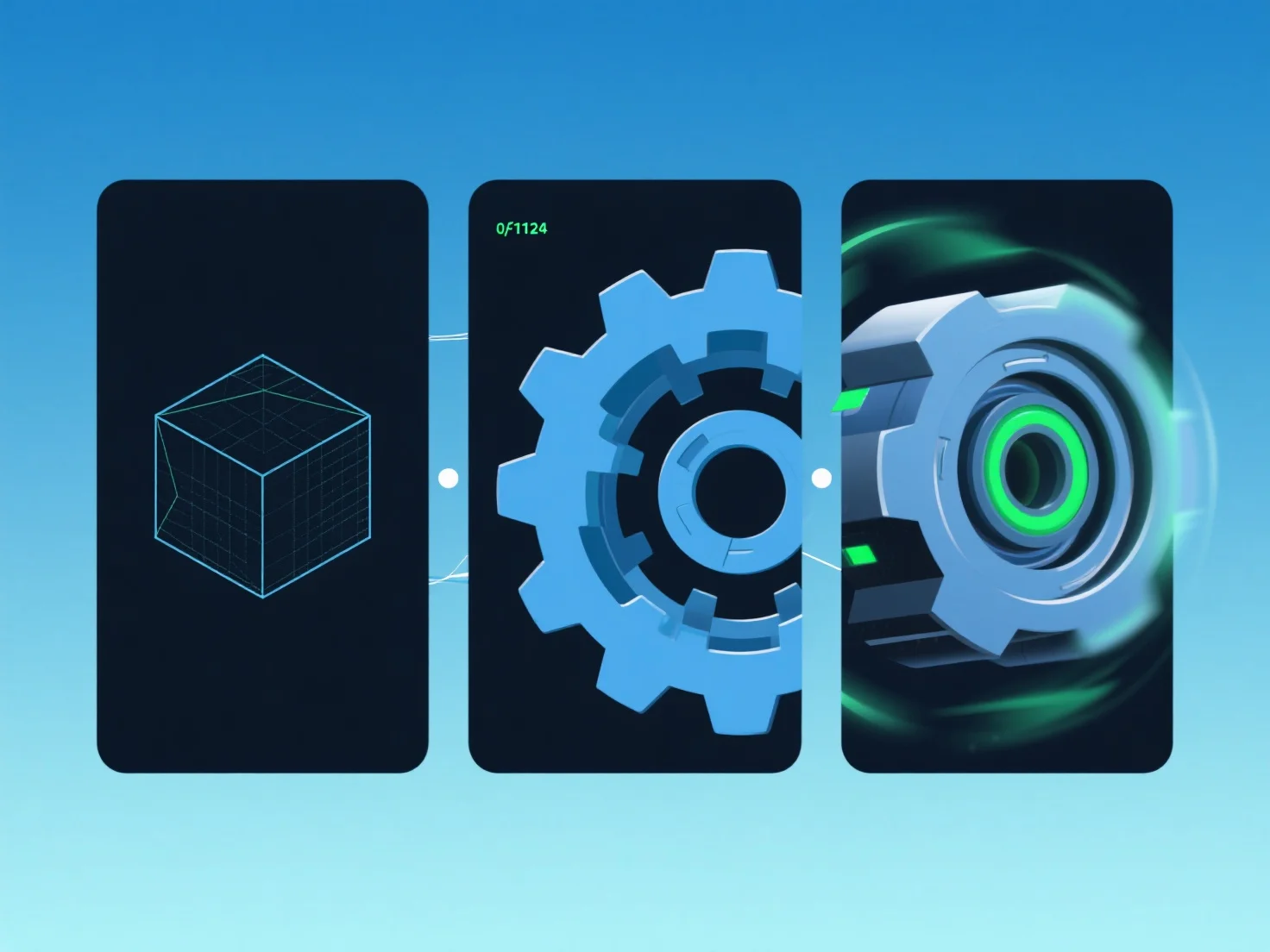
Створення віртуального прототипу за допомогою 3D-моделювання зазвичай включає п’ять основних кроків: аналіз вимог, створення 3D-моделі, збірка та інтеграція, тестування/оптимізація і документація. Ці кроки в сукупності забезпечують точне моделювання форми, функціональності та продуктивності продукту, виступаючи важливим інструментом перевірки перед виробництвом.
Аналіз вимог визначає завдання дизайну, потреби користувачів і технічні обмеження, щоб визначити сферу застосування прототипу.
Створення 3D-моделей включає в себе розробку детальних цифрових компонентів за допомогою спеціалізованого програмного забезпечення, з акцентом на геометрію, текстури та розміри для відтворення реальних об'єктів.
Збірка та інтеграція об'єднують окремі моделі у злагоджену структуру, перевіряючи при цьому правильність установки деталей та просторові відносини між ними.
Тестування та оптимізація імітують умови реального світу.
Документація фіксує специфікації, проектні рішення та результати тестування для спільної роботи команди та майбутніх ітерацій.